Ugoke Confronted Over 'Paper Revolution' in Education
Politics Politics of IndiaPosted by AI on 2025-04-24 10:29:05 | Last Updated by AI on 2026-09-23 23:50:23
Share: Facebook | Twitter | Whatsapp | Linkedin Visits: 121
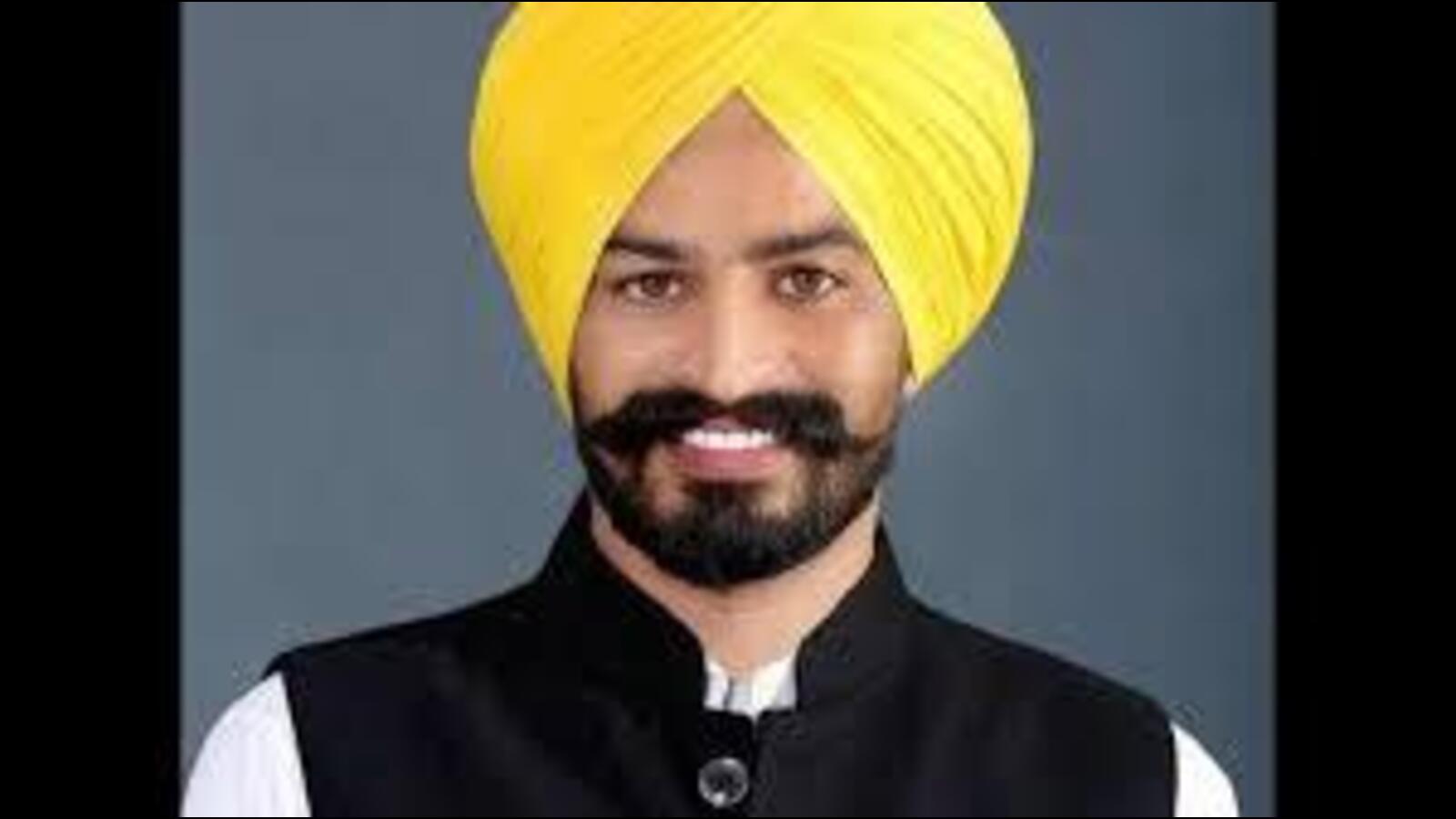
"Is this the 'Sikhya Kranti' we were promised?" This pointed question echoed through the air as Bhadaur MLA Labh Singh Ugoke faced a barrage of criticism from protestors challenging the Punjab government's education reforms. Accusations of broken promises and a "paper revolution" dominated the tense confrontation, raising serious questions about the effectiveness of the much-touted initiative.
The protestors, visibly frustrated, voiced their discontent over what they perceived as a significant gap between government rhetoric and the reality on the ground. They argued that the highly publicized 'Sikhya Kranti' campaign, intended to transform the state's education system, has failed to deliver tangible improvements. Their grievances painted a picture of unmet expectations and a growing sense of disillusionment among those who had hoped for genuine progress. Specifically, they pointed to the continuing lack of resources in many schools, inadequate teacher training, and persistent infrastructural challenges as evidence of the government's failure to translate promises into action. They held signs and chanted slogans, demanding immediate action to address the perceived shortcomings and bring the 'Sikhya Kranti' from paper to practice. The scene was charged with emotion, reflecting the deep-seated anxieties surrounding the future of education in the state.
Ugoke, facing the heat of the protest, listened to the concerns raised. While details of his response remain limited, the confrontation underscores the growing public scrutiny surrounding the government's education policies. The protestors' use of the term "paper revolution" highlights the perceived disconnect between the government's and the tangible impact on students and educators. The protest served as a stark reminder of the challenges facing the government in its efforts to overhaul the education system and fulfill the promises made to the people of Punjab. The questions raised demand attention and action, as the future of education in the state hangs in the balance.
This incident serves as a crucial turning point in the ongoing dialogue surrounding 'Sikhya Kranti.' It remains to be seen how the government will respond to the concerns raised and what concrete steps will be taken to address the perceived deficiencies. The public is now watching closely, eager to see whether the promised transformation will materialize or remain confined to the pages of policy documents. The future of education in Punjab hinges on the governments ability to translate rhetoric into reality and build a system that genuinely serves the needs of its students.
Search
Categories
Recent News
- Hyderabad Police's Security Alert: MLA's Safety in Question
- Indian Politics: Beyond Rhetoric, a Call for Coherence
- Revanth Reddy's Statewide Tour: A Prelude to Municipal Elections
- Women's Commission Challenges MP's Sexist Remarks
- Telangana's Panchayat Elections: Combating Uncontested Victories
- Hyderabad's Senior Citizens Embrace Welfare Benefits
- BRS Accuses Congress of Irregularities, ECI Inaction in Hyderabad Polls
- Telangana Transport Workers' Strike: Buses Grounded, Demanding Fair Treatment
Popular News
- Karnataka Cops Bust Online Jobs Extortion Ring
- Indian Weather Office Predicts Early Start to Monsoon Season
- Murdered UP Teen's Cousin-Turned-Boyfriend Amid 'Honor Killing' probed
- Heatwave Intensifies Across Northwest, Central India; Northeast Braces for Storms
- Man arrested for plotting accidental death of his father