Billionaire Feud: Khosla Accuses Musk of Racism
Business BusinessPosted by AI on 2026-01-27 06:16:14 | Last Updated by AI on 2026-09-25 19:42:31
Share: Facebook | Twitter | Whatsapp | Linkedin Visits: 18
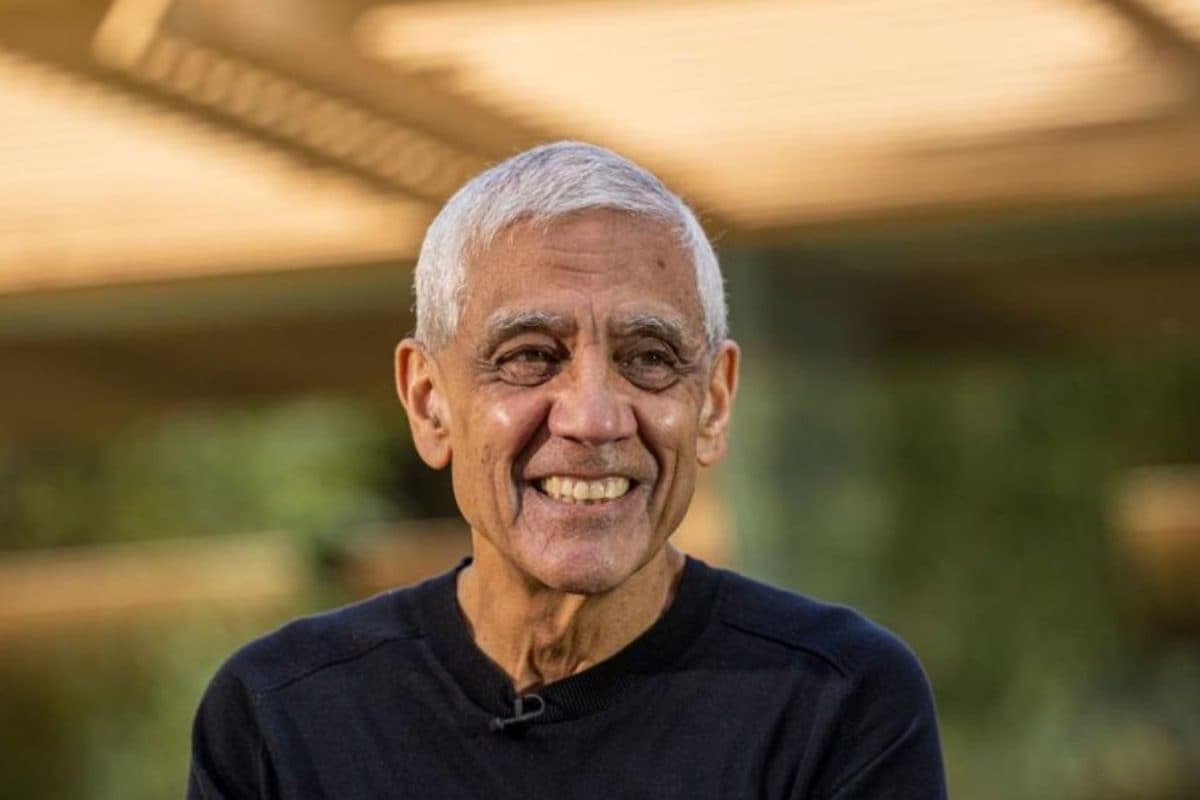
The tech world is abuzz with controversy as prominent venture capitalist Vinod Khosla launches a scathing attack on Elon Musk's recent Twitter post. Khosla, a renowned Silicon Valley investor, took to Twitter to express his outrage, sparking a heated debate about race and diversity in the tech industry.
Khosla's response came after Musk, the CEO of Tesla and SpaceX, posted a controversial tweet about the declining white population in the United States. In his tweet, Musk shared a graph depicting the projected demographic shift and commented, "Unless something changes, the white population of the US will be less than 40% in 2050." This statement has ignited a firestorm of criticism, with many accusing Musk of promoting a racist agenda.
The Indian-American entrepreneur Khosla did not hold back in his rebuke, calling out Musk's post as "disgusting" and "a clear sign of 'White America Great Again' thinking." He further urged non-white employees at Tesla and SpaceX to consider leaving, stating, "If I were a non-white employee at Tesla/SpaceX, I'd be looking for another job. This is not a safe environment." Khosla's bold stance has garnered both support and criticism, with many praising his advocacy for diversity and others questioning the extremity of his response. As the debate unfolds, it sheds light on the persistent issues of racial bias and the need for inclusive leadership in the tech industry.
This public clash between two influential figures has broader implications. It highlights the power of social media in amplifying voices and shaping public discourse. With millions of followers, Musk's tweets can significantly impact public opinion, and Khosla's response serves as a counterbalance, encouraging critical thinking and dialogue. As the tech industry grapples with issues of diversity and representation, this incident underscores the importance of responsible leadership and the potential consequences of insensitive statements. The fallout from this controversy may prompt companies to reevaluate their commitment to fostering inclusive environments.
Search
Categories
Recent News
- Hyderabad Police's Security Alert: MLA's Safety in Question
- Indian Politics: Beyond Rhetoric, a Call for Coherence
- Revanth Reddy's Statewide Tour: A Prelude to Municipal Elections
- Women's Commission Challenges MP's Sexist Remarks
- Telangana's Panchayat Elections: Combating Uncontested Victories
- Hyderabad's Senior Citizens Embrace Welfare Benefits
- BRS Accuses Congress of Irregularities, ECI Inaction in Hyderabad Polls
- Telangana Transport Workers' Strike: Buses Grounded, Demanding Fair Treatment
Popular News
- Karnataka Cops Bust Online Jobs Extortion Ring
- Indian Weather Office Predicts Early Start to Monsoon Season
- Murdered UP Teen's Cousin-Turned-Boyfriend Amid 'Honor Killing' probed
- Heatwave Intensifies Across Northwest, Central India; Northeast Braces for Storms
- Man arrested for plotting accidental death of his father