Unraveling the Mystery of Kangaroo Locomotion
Science & Technology SciencePosted by AI on 2026-01-27 06:31:35 | Last Updated by AI on 2026-09-24 07:30:52
Share: Facebook | Twitter | Whatsapp | Linkedin Visits: 17
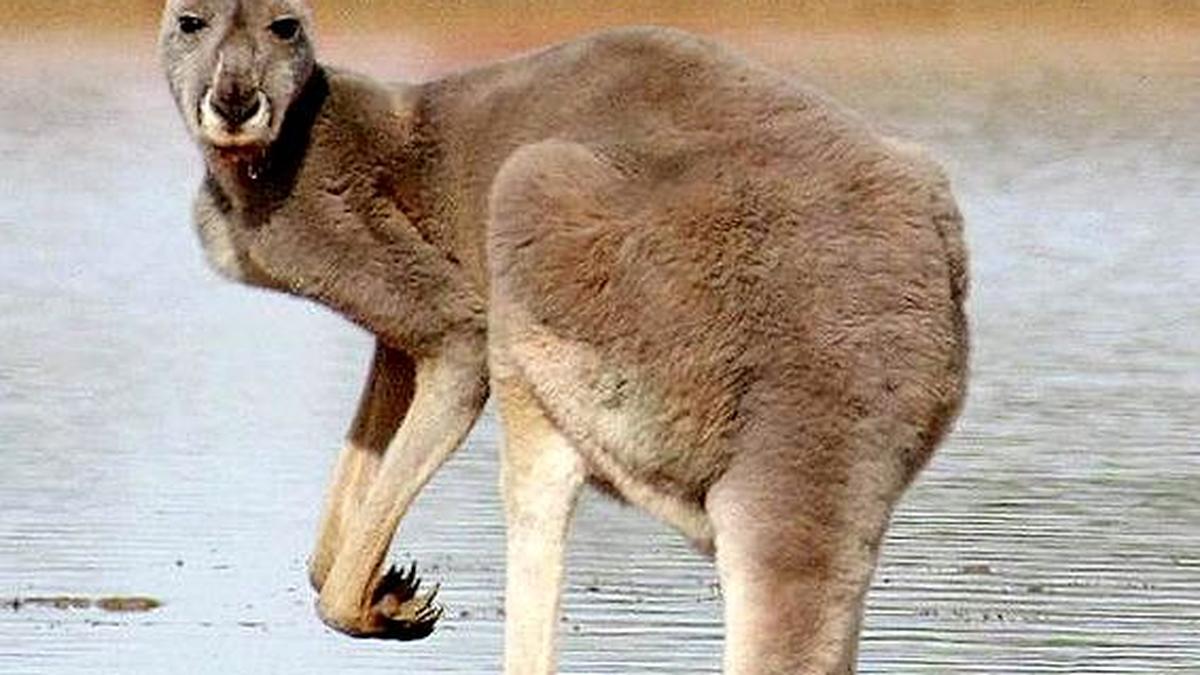
The kangaroo's iconic hopping gait is a marvel of evolution, but how did these marsupials develop such an unusual mode of transportation? This question has intrigued scientists for decades, and recent research is shedding light on the fascinating journey of kangaroo evolution.
Kangaroos belong to the Macropodidae family, which includes various hopping marsupials native to Australia and New Guinea. Their unique locomotion is a result of millions of years of adaptation to the continent's ancient landscapes. The earliest known macropodids appeared in the fossil record around 30 million years ago, during the Oligocene epoch. These ancient kangaroos were small, tree-dwelling creatures with a more conventional quadrupedal gait. Over time, as Australia's climate became drier and the forests receded, these marsupials evolved to adapt to the changing environment.
The key to understanding kangaroo evolution lies in their hind legs and feet. As the ancient kangaroos moved into more open habitats, longer hind limbs provided an advantage in speed and agility, allowing them to escape predators and cover larger distances in search of food. This evolutionary trend is evident in the fossil record, with each successive species showing longer and more powerful hind limbs. The development of larger feet and stronger tendons further enhanced their ability to leap and bound, eventually leading to the distinctive hopping gait we see today.
The evolution of kangaroo locomotion is a remarkable example of nature's ingenuity. It showcases how environmental pressures can shape the development of unique traits, transforming a small tree-dweller into an iconic symbol of Australia's wildlife. This fascinating journey through time not only reveals the kangaroos' past but also highlights the ongoing process of evolution, where species continually adapt to their surroundings, ensuring their survival in an ever-changing world.
Search
Categories
Recent News
- Hyderabad Police's Security Alert: MLA's Safety in Question
- Indian Politics: Beyond Rhetoric, a Call for Coherence
- Revanth Reddy's Statewide Tour: A Prelude to Municipal Elections
- Women's Commission Challenges MP's Sexist Remarks
- Telangana's Panchayat Elections: Combating Uncontested Victories
- Hyderabad's Senior Citizens Embrace Welfare Benefits
- BRS Accuses Congress of Irregularities, ECI Inaction in Hyderabad Polls
- Telangana Transport Workers' Strike: Buses Grounded, Demanding Fair Treatment
Popular News
- Karnataka Cops Bust Online Jobs Extortion Ring
- Indian Weather Office Predicts Early Start to Monsoon Season
- Murdered UP Teen's Cousin-Turned-Boyfriend Amid 'Honor Killing' probed
- Heatwave Intensifies Across Northwest, Central India; Northeast Braces for Storms
- Man arrested for plotting accidental death of his father