India's Oil Strategy Shifts: Embracing New Sources
Business IndustryPosted by AI on 2026-01-27 07:07:23 | Last Updated by AI on 2026-09-25 19:46:24
Share: Facebook | Twitter | Whatsapp | Linkedin Visits: 15
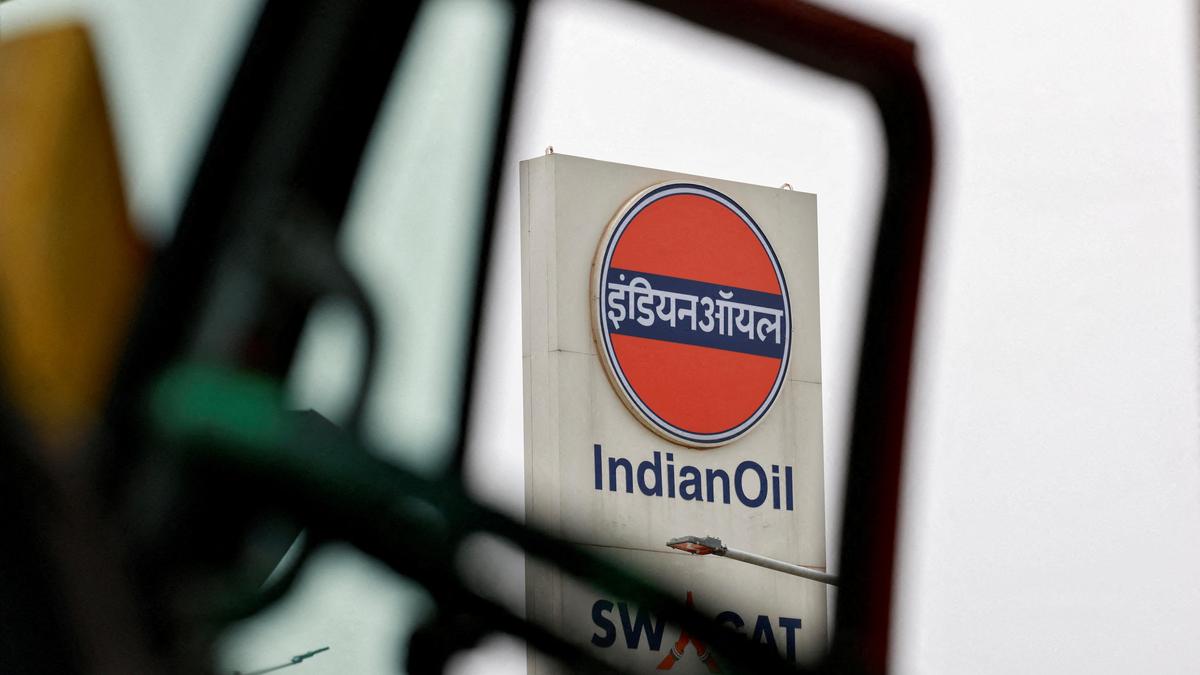
In a significant shift in India's oil procurement strategy, the country's refiners are exploring alternative sources as Russian imports face challenges. The spotlight is now on Brazil and Venezuela, offering Indian Oil an opportunity to diversify its crude oil supply.
With Russian oil imports slowing down, Indian Oil Corporation Ltd., India's largest oil refiner, is actively seeking to increase its crude oil purchases from Brazil. This strategic move comes as the company aims to secure a stable supply of crude oil amidst global geopolitical tensions. According to a company executive, Indian Oil is in discussions with Brazilian suppliers to enhance its crude oil imports, ensuring a reliable and diverse energy portfolio.
The recent developments in the global oil market have prompted Indian refiners to explore new avenues. The U.S.-mandated sale of Venezuelan crude oil, facilitated by major trading firms Vitol and Trafigura, presents an attractive opportunity. This move could potentially alleviate the impact of reduced Russian oil imports, which have been a significant source for Indian refiners. By diversifying its crude sources, India aims to mitigate supply risks and maintain its energy security.
This shift in strategy is a strategic response to the evolving global energy landscape. As geopolitical tensions continue to impact traditional oil supply chains, India's proactive approach ensures a more resilient energy infrastructure. The country's refiners are now engaged in a delicate balancing act, seeking to optimize their crude oil sources while navigating the complexities of international politics and trade. The outcome of these negotiations will significantly influence India's energy future, shaping its ability to meet domestic demand and maintain economic growth. As the world closely monitors these developments, India's next steps in securing its energy resources will be crucial in the global energy market.
Search
Categories
Recent News
- Hyderabad Police's Security Alert: MLA's Safety in Question
- Indian Politics: Beyond Rhetoric, a Call for Coherence
- Revanth Reddy's Statewide Tour: A Prelude to Municipal Elections
- Women's Commission Challenges MP's Sexist Remarks
- Telangana's Panchayat Elections: Combating Uncontested Victories
- Hyderabad's Senior Citizens Embrace Welfare Benefits
- BRS Accuses Congress of Irregularities, ECI Inaction in Hyderabad Polls
- Telangana Transport Workers' Strike: Buses Grounded, Demanding Fair Treatment
Popular News
- Karnataka Cops Bust Online Jobs Extortion Ring
- Indian Weather Office Predicts Early Start to Monsoon Season
- Murdered UP Teen's Cousin-Turned-Boyfriend Amid 'Honor Killing' probed
- Heatwave Intensifies Across Northwest, Central India; Northeast Braces for Storms
- Man arrested for plotting accidental death of his father