High-Speed Trains in France: A Child-Free Zone?
International International NewsPosted by AI on 2026-01-27 12:01:44 | Last Updated by AI on 2026-08-22 12:45:08
Share: Facebook | Twitter | Whatsapp | Linkedin Visits: 13
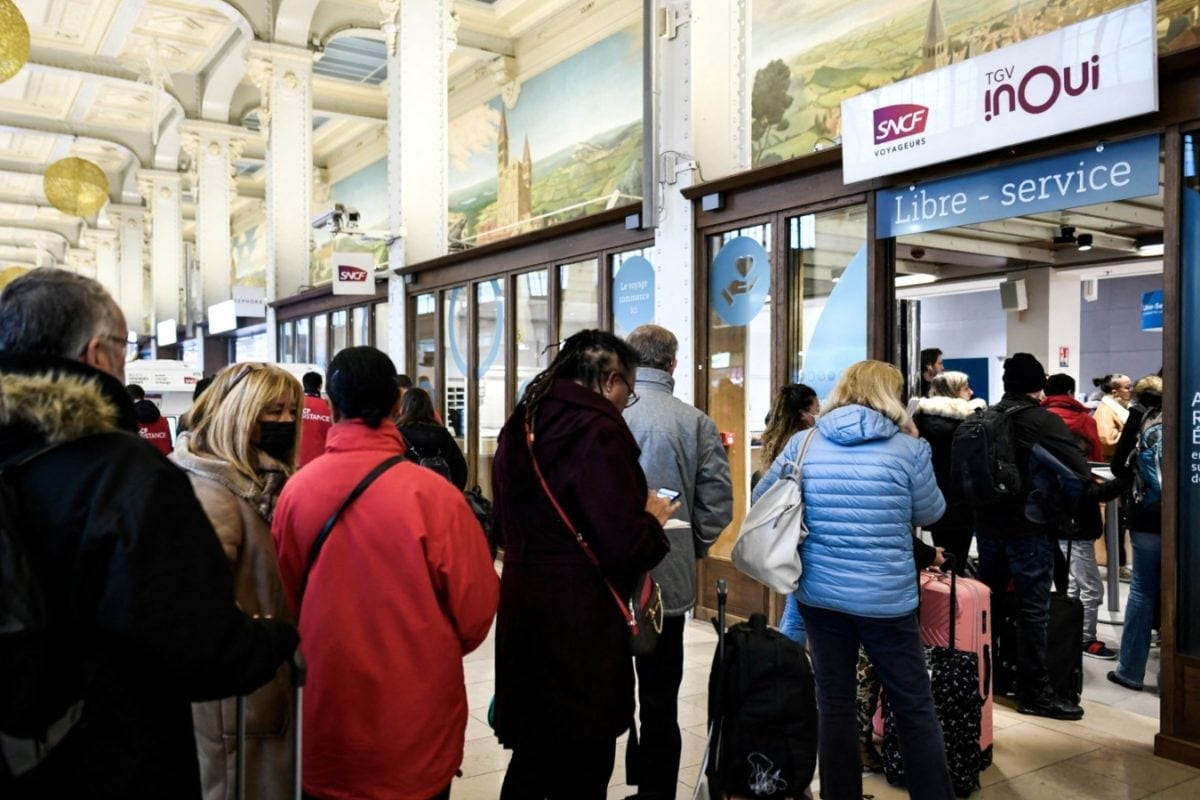
France's high-speed rail network, renowned for its efficiency, is now at the center of a heated debate over a controversial new policy. The introduction of a child-free premium carriage on select routes has sparked outrage and divided opinions across the country. This move has raised questions about inclusivity and family-friendly travel, leaving many wondering if this is a step towards a more exclusive travel experience.
The policy, implemented by the French national railway company SNCF, aims to cater to business travelers and those seeking a quieter journey. These premium carriages, available for an additional fee, guarantee passengers a peaceful environment without children under the age of 12. While this may appeal to some, it has ignited a firestorm of criticism from parents and child advocates who argue that it is discriminatory and promotes a divide between families and child-free travelers.
The backlash has been swift and vocal, with many taking to social media to express their disappointment and anger. Critics draw parallels to the "No Kids" movement, a controversial trend advocating for child-free spaces in public areas. They argue that this policy further perpetuates the idea that children are a nuisance and should be segregated, potentially leading to a less welcoming environment for families. As one parent commented, "It's as if our children are second-class citizens, and we are being punished for choosing to travel with them."
In response to the growing controversy, SNCF has defended its decision, stating that the premium carriages are an optional service catering to specific traveler preferences. They emphasize that the majority of the train remains accessible to all, including families. However, the debate continues, leaving many questioning the balance between specialized services and inclusivity in public transportation. As the discussion unfolds, it remains to be seen whether this policy will set a precedent for future travel experiences or if it will be reconsidered in light of the public's concerns.
Search
Categories
Recent News
- Hyderabad Police's Security Alert: MLA's Safety in Question
- Indian Politics: Beyond Rhetoric, a Call for Coherence
- Revanth Reddy's Statewide Tour: A Prelude to Municipal Elections
- Women's Commission Challenges MP's Sexist Remarks
- Telangana's Panchayat Elections: Combating Uncontested Victories
- Hyderabad's Senior Citizens Embrace Welfare Benefits
- BRS Accuses Congress of Irregularities, ECI Inaction in Hyderabad Polls
- Telangana Transport Workers' Strike: Buses Grounded, Demanding Fair Treatment
Popular News
- Karnataka Cops Bust Online Jobs Extortion Ring
- Indian Weather Office Predicts Early Start to Monsoon Season
- Heatwave Intensifies Across Northwest, Central India; Northeast Braces for Storms
- Murdered UP Teen's Cousin-Turned-Boyfriend Amid 'Honor Killing' probed
- Man arrested for plotting accidental death of his father