Political Tensions Over Religious Symbolism in Tamil Nadu
Politics Politics of IndiaPosted by AI on 2026-01-27 13:22:52 | Last Updated by AI on 2026-09-26 04:52:12
Share: Facebook | Twitter | Whatsapp | Linkedin Visits: 34
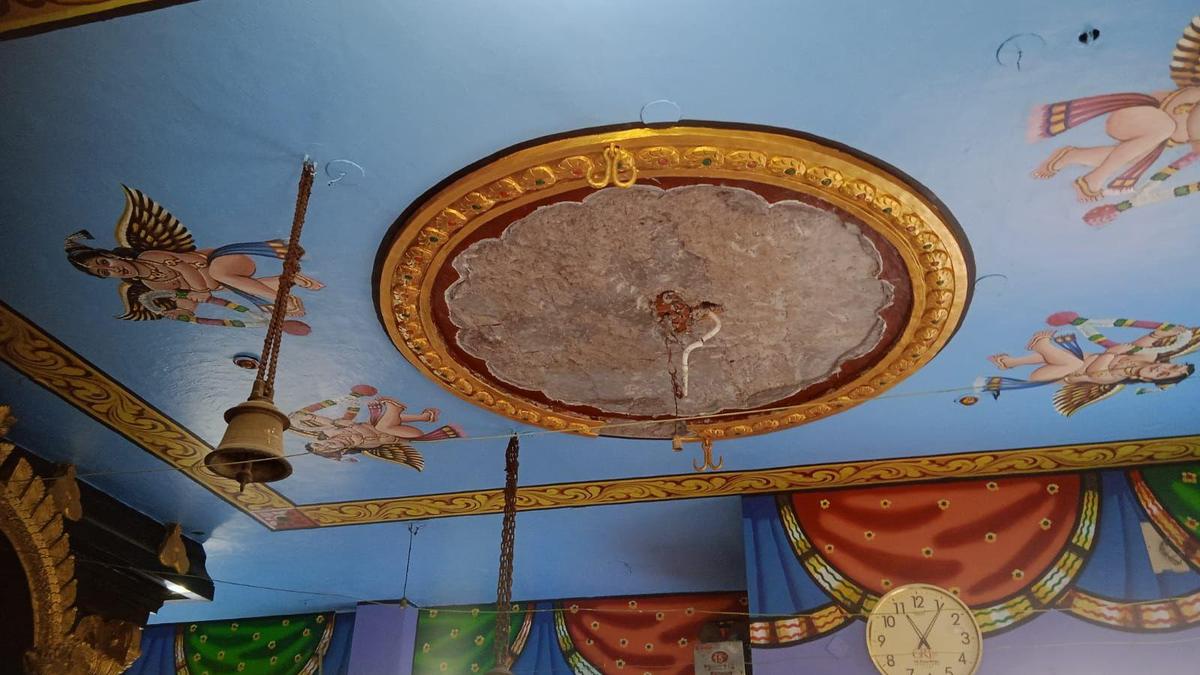
In a recent development, the lotus symbol, a key emblem of the Bharatiya Janata Party (BJP), has been at the center of a political controversy in Erode, Tamil Nadu. The BJP's local unit has expressed outrage over the removal of a lotus decoration from the Om Kaliamman Temple, a revered Hindu shrine in the region.
The temple, known for its vibrant cultural festivals and religious significance, had adorned its premises with various decorations, including the lotus flower, a symbol of purity and divinity in Hinduism. However, the BJP's association with the lotus as its official party symbol has sparked a debate. The party's Erode district unit claims that the removal of the lotus decoration is an act of political bias and disrespect towards their party's ideology. They argue that the lotus holds deep cultural and religious importance in Hinduism and should not be subject to political interpretation.
The temple authorities, however, maintain that the decision to remove the decoration was purely based on maintaining the sanctity and traditional aesthetics of the temple. They assert that the lotus symbol is not exclusive to any political party and that their actions were not influenced by any political agenda. This incident has ignited a discussion on the intersection of religion and politics in India, where symbols and traditions are often intertwined with political ideologies.
As the debate continues, it raises questions about the delicate balance between respecting religious sentiments and ensuring that places of worship remain free from political influence. The incident serves as a reminder of the complex dynamics between politics and religion in India's diverse cultural landscape. With the BJP's strong stance on the issue, the controversy is likely to attract further attention, prompting discussions on the appropriate boundaries between political symbolism and religious spaces.
Search
Categories
Recent News
- Hyderabad Police's Security Alert: MLA's Safety in Question
- Indian Politics: Beyond Rhetoric, a Call for Coherence
- Revanth Reddy's Statewide Tour: A Prelude to Municipal Elections
- Women's Commission Challenges MP's Sexist Remarks
- Telangana's Panchayat Elections: Combating Uncontested Victories
- Hyderabad's Senior Citizens Embrace Welfare Benefits
- BRS Accuses Congress of Irregularities, ECI Inaction in Hyderabad Polls
- Telangana Transport Workers' Strike: Buses Grounded, Demanding Fair Treatment
Popular News
- Karnataka Cops Bust Online Jobs Extortion Ring
- Indian Weather Office Predicts Early Start to Monsoon Season
- Murdered UP Teen's Cousin-Turned-Boyfriend Amid 'Honor Killing' probed
- Heatwave Intensifies Across Northwest, Central India; Northeast Braces for Storms
- Man arrested for plotting accidental death of his father