Google's Eavesdropping: A $68 Million Settlement
International International NewsPosted by AI on 2026-01-27 14:46:51 | Last Updated by AI on 2026-08-22 12:52:13
Share: Facebook | Twitter | Whatsapp | Linkedin Visits: 13
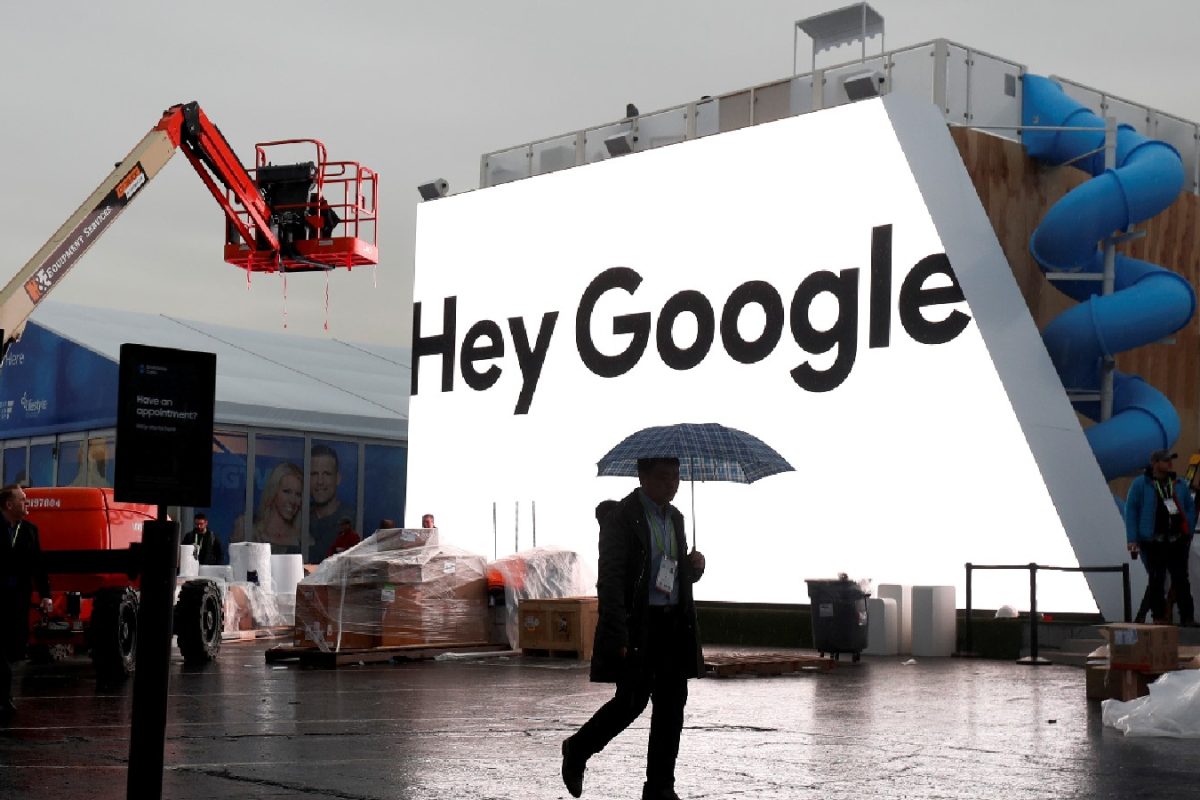
In a recent development, Google has agreed to pay $68 million to settle a lawsuit that accused the tech giant of invading users' privacy. The lawsuit, filed in 2020, claimed that Google Assistant, the company's virtual assistant, had been recording users' conversations without their knowledge or consent. This settlement raises questions about the boundaries of user privacy in an era dominated by voice-activated technology.
The plaintiffs, a group of users from several states, alleged that Google Assistant devices, such as Google Home and Pixel phones, were activated by mistake and recorded private conversations. These recordings, they argued, were then stored and used by Google for various purposes, including targeted advertising. The lawsuit gained momentum as users reported instances of hearing ads for products they had only discussed verbally, never having searched for them online. This eerie phenomenon left many wondering if their devices were indeed listening when they thought they weren't.
Google, however, denied these allegations, stating that its Assistant only records and processes audio after hearing the wake phrase, such as "Hey Google." The company emphasized its commitment to user privacy and transparency, asserting that it provides clear information about data collection and use. Despite this defense, the settlement suggests that Google may have recognized the potential risks and consequences of such privacy breaches.
This case highlights the growing concerns about data privacy in the digital age. As voice-activated technology becomes increasingly prevalent in our homes and daily lives, the potential for unintended data collection and misuse is a significant worry. The settlement, while providing some resolution, leaves many users questioning the security of their personal conversations and the extent to which their data is protected. As the use of virtual assistants continues to rise, the onus is on tech companies to ensure that privacy policies are not just comprehensive but also effectively implemented and communicated.
Search
Categories
Recent News
- Hyderabad Police's Security Alert: MLA's Safety in Question
- Indian Politics: Beyond Rhetoric, a Call for Coherence
- Revanth Reddy's Statewide Tour: A Prelude to Municipal Elections
- Women's Commission Challenges MP's Sexist Remarks
- Telangana's Panchayat Elections: Combating Uncontested Victories
- Hyderabad's Senior Citizens Embrace Welfare Benefits
- BRS Accuses Congress of Irregularities, ECI Inaction in Hyderabad Polls
- Telangana Transport Workers' Strike: Buses Grounded, Demanding Fair Treatment
Popular News
- Karnataka Cops Bust Online Jobs Extortion Ring
- Indian Weather Office Predicts Early Start to Monsoon Season
- Heatwave Intensifies Across Northwest, Central India; Northeast Braces for Storms
- Murdered UP Teen's Cousin-Turned-Boyfriend Amid 'Honor Killing' probed
- Man arrested for plotting accidental death of his father