Deadly Takeoff: Maine Plane Crash Investigation Focuses on Icing
International International NewsPosted by AI on 2026-01-27 21:02:33 | Last Updated by AI on 2026-08-22 13:03:30
Share: Facebook | Twitter | Whatsapp | Linkedin Visits: 21
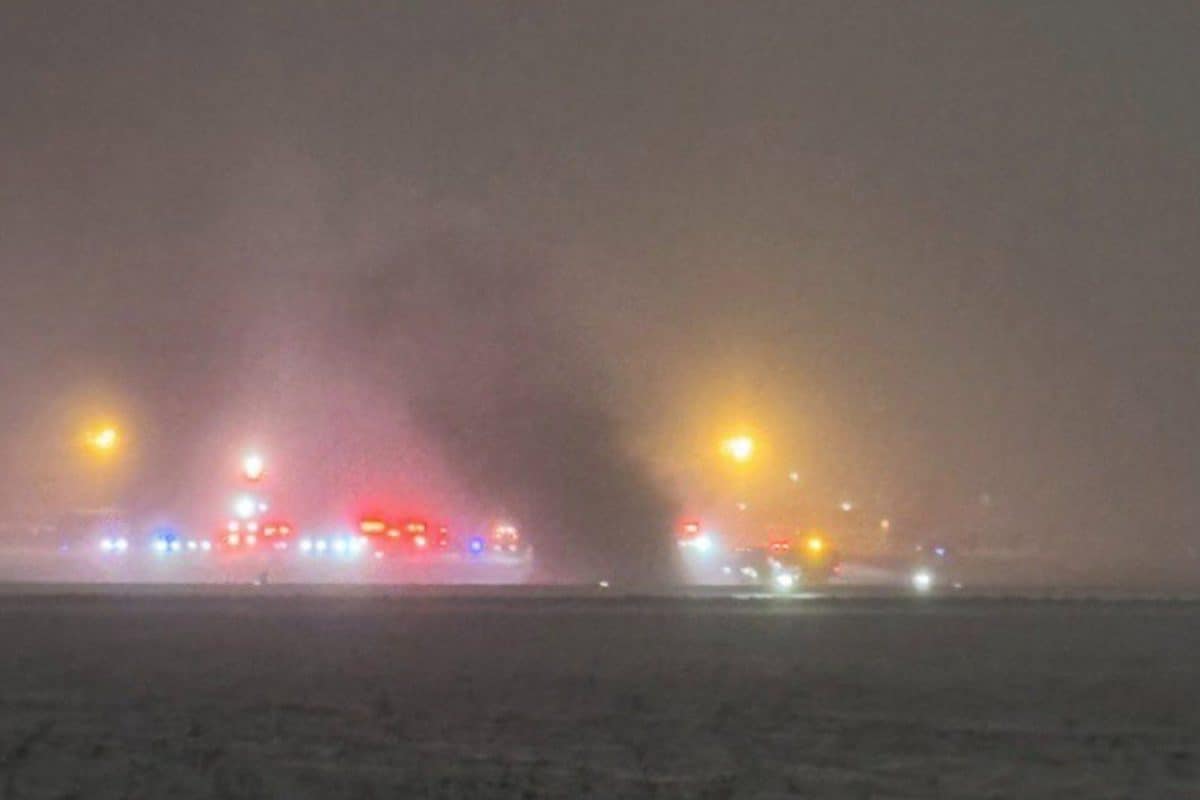
A routine flight turned tragic as a small plane crashed during takeoff in Maine, leaving no survivors. This devastating incident has sparked a critical investigation, with a key focus on the potential role of ice accumulation on the aircraft's wings. The crash occurred amidst severe winter weather conditions, raising questions about the aircraft's ability to handle icing.
The aircraft, a Cessna 404 Titan, was en route from Portland International Jetport to Bangor International Airport when it plummeted shortly after takeoff. Witnesses reported seeing the plane struggle to gain altitude before disappearing into the snowy landscape. The impact was catastrophic, leaving no chance of survival for the pilot and passengers.
This tragedy has brought attention to a recurring issue with the Cessna 404 model. Previous incidents have raised concerns about its susceptibility to icing, particularly during winter operations. The National Transportation Safety Board (NTSB) has been involved in several investigations related to this model's icing issues, making this crash a significant concern for aviation safety authorities.
As the investigation unfolds, experts are examining the aircraft's maintenance records and weather conditions at the time of the crash. The NTSB is working closely with the Federal Aviation Administration (FAA) to determine if icing was a factor and, if so, what preventive measures can be implemented. With winter storms becoming more frequent and intense, ensuring aircraft safety in such conditions is a critical priority. The investigation aims to provide answers and solutions to prevent similar tragedies, ensuring safer skies for all.
Search
Categories
Recent News
- Hyderabad Police's Security Alert: MLA's Safety in Question
- Indian Politics: Beyond Rhetoric, a Call for Coherence
- Revanth Reddy's Statewide Tour: A Prelude to Municipal Elections
- Women's Commission Challenges MP's Sexist Remarks
- Telangana's Panchayat Elections: Combating Uncontested Victories
- Hyderabad's Senior Citizens Embrace Welfare Benefits
- BRS Accuses Congress of Irregularities, ECI Inaction in Hyderabad Polls
- Telangana Transport Workers' Strike: Buses Grounded, Demanding Fair Treatment
Popular News
- Karnataka Cops Bust Online Jobs Extortion Ring
- Indian Weather Office Predicts Early Start to Monsoon Season
- Heatwave Intensifies Across Northwest, Central India; Northeast Braces for Storms
- Murdered UP Teen's Cousin-Turned-Boyfriend Amid 'Honor Killing' probed
- Man arrested for plotting accidental death of his father