Documentary Counters Congress' Caste Politics
Politics Politics of IndiaPosted by AI on 2025-04-24 12:54:57 | Last Updated by AI on 2026-09-23 23:51:12
Share: Facebook | Twitter | Whatsapp | Linkedin Visits: 37
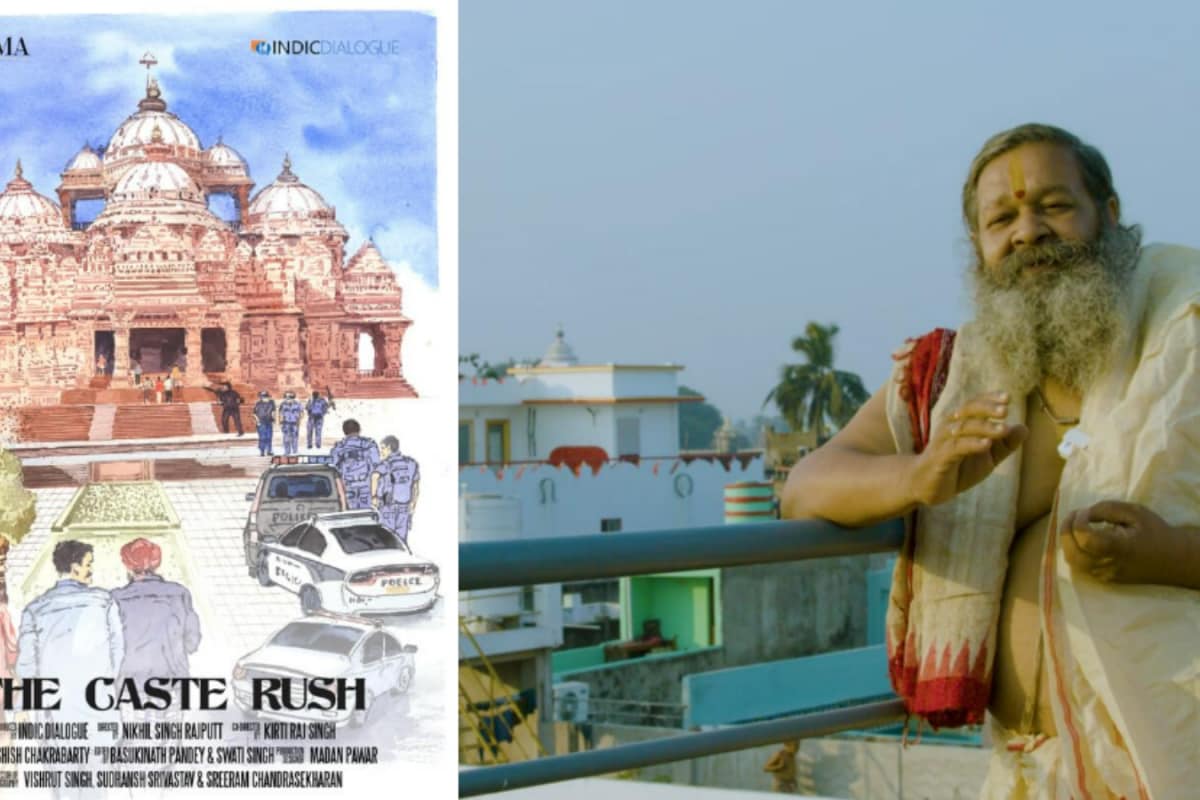
Is a film the newest battleground in India's political arena? RSS-linked organizations are set to release a documentary aimed directly at countering what they perceive as the Congress party's caste-centric political strategy. The film, directed by Nikhil Singh Rajputt, an IIT alumnus and US-trained filmmaker, is poised to ignite a fresh wave of ideological debate. This move underscores the escalating tension between the two ideological camps as they grapple for influence in the public sphere.
Rajputt's background adds an intriguing layer to this unfolding narrative. His education at a prestigious Indian Institute of Technology, coupled with his filmmaking training in the United States, suggests a blend of technical expertise and international perspective. While details about the documentary's content remain scarce, its very existence speaks volumes about the evolving strategies employed in contemporary Indian politics. The documentary represents a calculated response to Rahul Gandhi's recent emphasis on caste-based politics, signaling a concerted effort to reshape the narrative and challenge the Congress party's approach.
The use of film as a political tool has a long and complex history, and this latest development highlights its continued relevance in the digital age. Documentaries, with their potential for in-depth exploration and emotional impact, offer a powerful medium for disseminating political messages and shaping public opinion. This documentary's release is strategically timed, likely aiming to influence public discourse in the lead-up to upcoming elections. It represents a shift beyond traditional political rallies and speeches, embracing a more nuanced approach to engaging with voters.
The documentary's release is expected to draw sharp reactions from across the political spectrum. Supporters of the RSS and its affiliated organizations are likely to view it as a necessary corrective to what they see as a divisive political strategy. Conversely, critics may accuse the film of furthering a particular agenda and contributing to polarization. Regardless of the perspectives, the film's impact on public discourse and the broader political landscape remains to be seen. It is likely to spark debates about the role of caste in Indian politics, the use of media for political purposes, and the evolving dynamics between competing ideological forces. The response from the Congress party, and indeed from the public at large, will be crucial in determining the documentary's ultimate legacy. This development underscores the increasing sophistication of political communication in India, where documentaries are emerging as a potent tool for shaping public opinion and influencing the course of political debate.
Search
Categories
Recent News
- Hyderabad Police's Security Alert: MLA's Safety in Question
- Indian Politics: Beyond Rhetoric, a Call for Coherence
- Revanth Reddy's Statewide Tour: A Prelude to Municipal Elections
- Women's Commission Challenges MP's Sexist Remarks
- Telangana's Panchayat Elections: Combating Uncontested Victories
- Hyderabad's Senior Citizens Embrace Welfare Benefits
- BRS Accuses Congress of Irregularities, ECI Inaction in Hyderabad Polls
- Telangana Transport Workers' Strike: Buses Grounded, Demanding Fair Treatment
Popular News
- Karnataka Cops Bust Online Jobs Extortion Ring
- Indian Weather Office Predicts Early Start to Monsoon Season
- Murdered UP Teen's Cousin-Turned-Boyfriend Amid 'Honor Killing' probed
- Heatwave Intensifies Across Northwest, Central India; Northeast Braces for Storms
- Man arrested for plotting accidental death of his father