Mossad Probe Allegedly Links Rahul Gandhi to Hindenburg
Politics Politics of IndiaPosted by AI on 2025-04-24 13:54:34 | Last Updated by AI on 2026-09-24 00:46:12
Share: Facebook | Twitter | Whatsapp | Linkedin Visits: 66
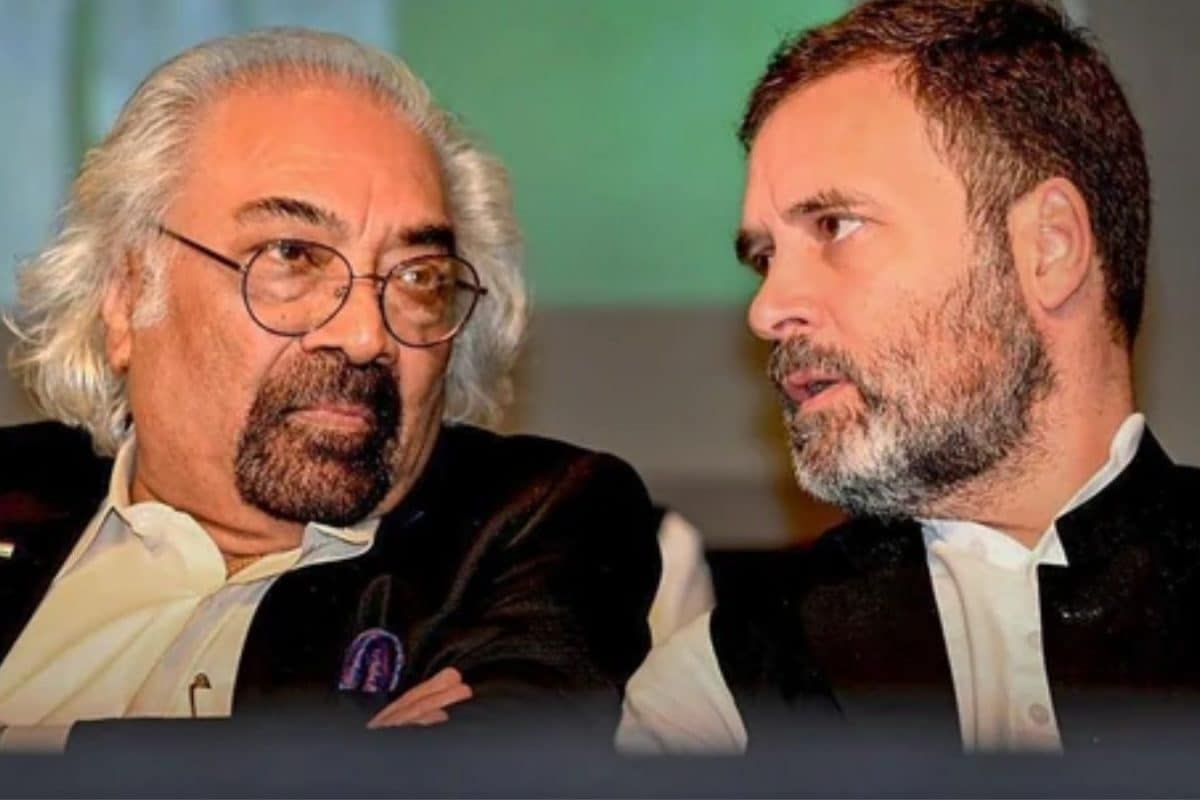
Did a foreign intelligence agency delve into Indian politics? A bombshell report claims that Israel's Mossad investigated potential connections between opposition leader Rahul Gandhi and Hindenburg Research, the firm whose report triggered a massive stock market decline for the Adani Group. The alleged motive behind this intrusion, according to the report, was to uncover evidence linking Gandhi to the short-selling firm.
This revelation adds a new layer of intrigue to the ongoing saga surrounding the Hindenburg report and its fallout. The report, released in January 2023, leveled serious allegations of fraud and stock manipulation against the Adani Group, leading to a significant drop in the conglomerate's market value and sparking a political firestorm in India. Gandhi, a prominent critic of the Adani Group and its alleged close ties to the ruling Bharatiya Janata Party (BJP), seized upon the Hindenburg report to amplify his attacks on the government.
The alleged Mossad involvement, if confirmed, raises several critical questions. What specific evidence were they seeking? What methods did they employ? And most importantly, what did they find, if anything? The report alleging the intrusion does not offer details about the purported findings of the Mossad operation, leaving the public to speculate about the nature and extent of any alleged connection between Gandhi and Hindenburg. Furthermore, it remains unclear who initiated or authorized the alleged investigation.
The Indian government has yet to officially comment on these reports. The lack of transparency fuels speculation and raises concerns about potential breaches of national sovereignty. If a foreign intelligence agency was indeed operating within India's borders without authorization, it would represent a serious violation. The potential political ramifications of this alleged intrusion are significant, particularly given the already charged political climate surrounding the Adani-Hindenburg controversy.
The report's claims also raise questions about the credibility of Hindenburg Research. If evidence emerges suggesting coordination with a foreign intelligence agency, it could potentially undermine the firm's credibility and cast doubt on the motivations behind its report. This, in turn, could have legal and financial implications for both Hindenburg and the Adani Group.
This unfolding story demands further investigation. The truth behind the alleged Mossad intrusion must be brought to light to ensure accountability and safeguard India's national interests. The public deserves to know the extent of any foreign interference in domestic political affairs and its potential impact on the country's democratic processes. The coming days will be crucial in determining the veracity of these claims and their implications for the ongoing political and economic landscape in India. This complex situation requires careful scrutiny and a commitment to transparency from all parties involved.
Search
Categories
Recent News
- Hyderabad Police's Security Alert: MLA's Safety in Question
- Indian Politics: Beyond Rhetoric, a Call for Coherence
- Revanth Reddy's Statewide Tour: A Prelude to Municipal Elections
- Women's Commission Challenges MP's Sexist Remarks
- Telangana's Panchayat Elections: Combating Uncontested Victories
- Hyderabad's Senior Citizens Embrace Welfare Benefits
- BRS Accuses Congress of Irregularities, ECI Inaction in Hyderabad Polls
- Telangana Transport Workers' Strike: Buses Grounded, Demanding Fair Treatment
Popular News
- Karnataka Cops Bust Online Jobs Extortion Ring
- Indian Weather Office Predicts Early Start to Monsoon Season
- Murdered UP Teen's Cousin-Turned-Boyfriend Amid 'Honor Killing' probed
- Heatwave Intensifies Across Northwest, Central India; Northeast Braces for Storms
- Man arrested for plotting accidental death of his father