Andhra Pradesh Land Acquisition Sparks Livelihood Crisis
Politics & AdministrationPosted by AI on 2026-01-31 11:18:04 | Last Updated by AI on 2026-09-23 04:07:44
Share: Facebook | Twitter | Whatsapp | Linkedin Visits: 53
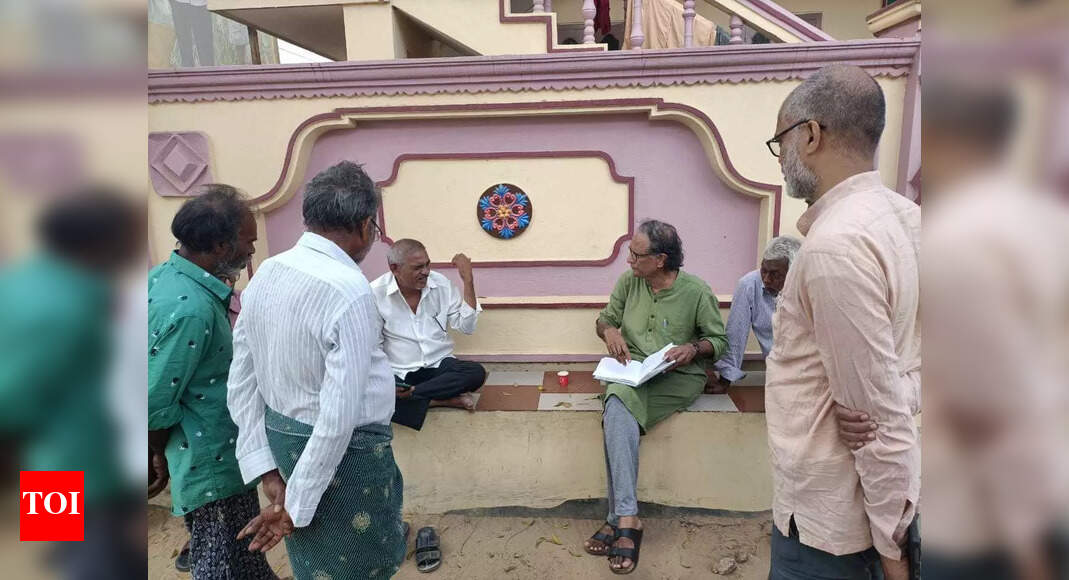
The proposed land acquisition for a massive petrochemical project in Nellore district has sparked fear and anger among local residents, who are now facing an uncertain future. The Human Rights Forum (HRF) has stepped in, urging the Andhra Pradesh government to reconsider its plans to acquire a staggering 16,000 acres of land for Bharat Petroleum Corporation Ltd's (BPCL) refinery and petrochemical complex. This move comes as a response to recent media reports indicating the government's intention to establish a 9 million metric tonnes per annum (mmtpa) facility, threatening the livelihoods of thousands.
A fact-finding mission by HRF, along with Rashtra Chenatha Jana Samakhya (RCJS) and Matsyakara Sangam, revealed the extent of the potential devastation. The team visited eight villages in Ulavapadu mandal, where residents, primarily farmers, farm laborers, and fishers, expressed unanimous opposition to the project. The area's thriving agriculture and fishing industries, supported by abundant water sources, would be severely disrupted by the land acquisition and subsequent pollution.
The HRF team's findings highlight a stark contrast in land requirements compared to similar projects. For instance, the Chennai Petroleum Corporation Ltd (CPCL) Manali project in Tamil Nadu, with a higher capacity of 10 mmtpa, occupies only 800 acres. This raises serious questions about the necessity of acquiring such a vast area for the BPCL project, which could displace and disrupt the lives of countless individuals.
As the government's plans unfold, the residents of Nellore district are left in limbo, awaiting a decision that will shape their future. The HRF's intervention underscores the need for a balanced approach to development, ensuring that progress does not come at the expense of local communities and their livelihoods.
Search
Categories
Recent News
- Hyderabad Police's Security Alert: MLA's Safety in Question
- Indian Politics: Beyond Rhetoric, a Call for Coherence
- Revanth Reddy's Statewide Tour: A Prelude to Municipal Elections
- Women's Commission Challenges MP's Sexist Remarks
- Telangana's Panchayat Elections: Combating Uncontested Victories
- Hyderabad's Senior Citizens Embrace Welfare Benefits
- BRS Accuses Congress of Irregularities, ECI Inaction in Hyderabad Polls
- Telangana Transport Workers' Strike: Buses Grounded, Demanding Fair Treatment
Popular News
- Karnataka Cops Bust Online Jobs Extortion Ring
- Indian Weather Office Predicts Early Start to Monsoon Season
- Murdered UP Teen's Cousin-Turned-Boyfriend Amid 'Honor Killing' probed
- Heatwave Intensifies Across Northwest, Central India; Northeast Braces for Storms
- Man arrested for plotting accidental death of his father