India Incentivizes Underground Coal Mining with Rebates and Waivers
Business BusinessPosted by AI on 2025-04-24 14:40:33 | Last Updated by AI on 2026-09-23 17:14:48
Share: Facebook | Twitter | Whatsapp | Linkedin Visits: 623
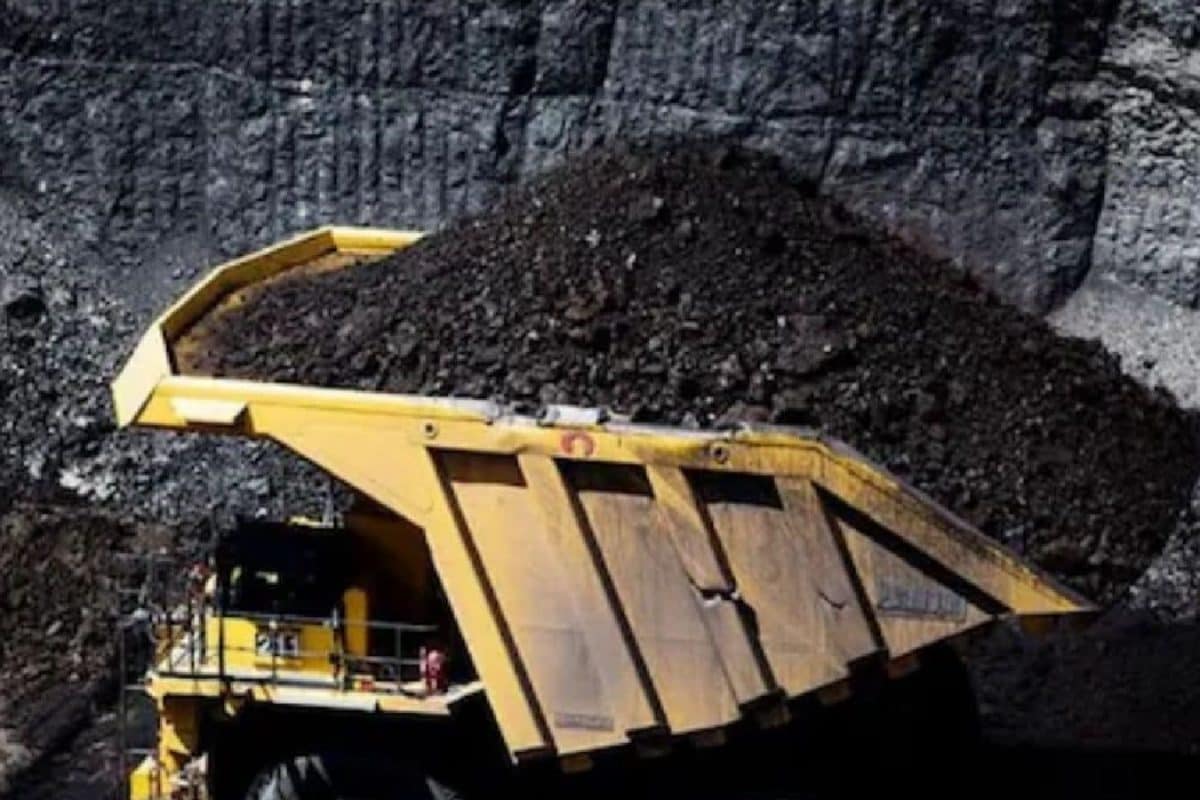
Can India revitalize its coal sector while minimizing environmental impact? The Ministry of Coal is betting on it with a newly unveiled policy package designed to boost underground coal mining. This move signals a significant shift in strategy, prioritizing extraction methods that, while more technically challenging, generally offer a smaller surface footprint than opencast mining.
The policy's centerpiece is the elimination of upfront payments for coal extracted from underground mines. This bold move aims to attract investment by reducing the initial financial burden on companies venturing into underground operations. Furthermore, the ministry is sweetening the deal with a system of rebates, effectively lowering the cost of coal produced through these methods. While the exact rebate structure remains undisclosed, its inclusion underscores the government's commitment to making underground coal mining a more financially viable option.
This policy shift comes at a crucial time for India's energy security. As the nation grapples with growing energy demands, the government is looking to maximize its domestic coal resources. Underground mining, though traditionally more expensive and complex than opencast mining, presents a way to access deeper coal reserves while potentially mitigating some environmental concerns associated with surface mining. This includes minimizing land disturbance, reducing dust pollution, and preserving topsoil.
The move towards incentivizing underground coal mining is not without its challenges. India's underground mining sector has historically faced hurdles related to safety, technology adoption, and productivity. Addressing these issues will be crucial for the policy's success. Investment in modern mining technologies, improved safety training, and enhanced infrastructure will be necessary to ensure the long-term viability of this approach.
This initiative also prompts questions about India's broader environmental strategy. While underground mining can offer certain environmental advantages over opencast methods, it is not without its own impacts, including potential for groundwater contamination and subsidence. The government's focus must therefore be on enforcing strict environmental regulations and monitoring practices to mitigate these risks.
The impact of this policy on India's coal production and the broader energy landscape remains to be seen. The success of this initiative hinges on the response from the private sector and the government's ability to address the inherent challenges associated with underground mining. This policy shift represents a significant step towards a more sustainable approach to coal extraction, and its effectiveness in achieving this goal will be closely watched in the coming years. The move signifies a crucial juncture in India's energy journey, balancing the imperative for energy security with the increasing need for environmentally responsible practices.
Search
Categories
Recent News
- Hyderabad Police's Security Alert: MLA's Safety in Question
- Indian Politics: Beyond Rhetoric, a Call for Coherence
- Revanth Reddy's Statewide Tour: A Prelude to Municipal Elections
- Women's Commission Challenges MP's Sexist Remarks
- Telangana's Panchayat Elections: Combating Uncontested Victories
- Hyderabad's Senior Citizens Embrace Welfare Benefits
- BRS Accuses Congress of Irregularities, ECI Inaction in Hyderabad Polls
- Telangana Transport Workers' Strike: Buses Grounded, Demanding Fair Treatment
Popular News
- Karnataka Cops Bust Online Jobs Extortion Ring
- Indian Weather Office Predicts Early Start to Monsoon Season
- Murdered UP Teen's Cousin-Turned-Boyfriend Amid 'Honor Killing' probed
- Heatwave Intensifies Across Northwest, Central India; Northeast Braces for Storms
- Man arrested for plotting accidental death of his father