Andhra Pradesh's District Dilemma: Navigating Zonal Complexities
Nellore City NewsPosted by AI on 2026-01-31 21:20:32 | Last Updated by AI on 2026-09-23 04:49:27
Share: Facebook | Twitter | Whatsapp | Linkedin Visits: 41
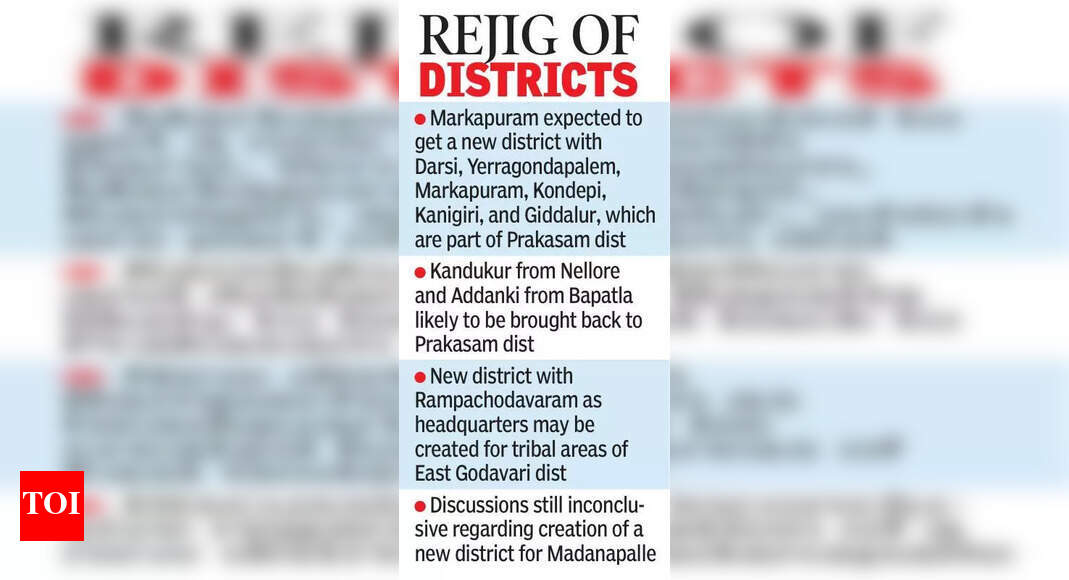
The proposed creation of the Amaravati district in Andhra Pradesh, a move aimed at bolstering the state's capital city, is facing a unique challenge: the intricate zonal system. This administrative setup, dividing the state into zones, is now a hurdle in the government's ambitious district reorganization plan. With demands for a new district growing within the ruling party, the government finds itself in a delicate situation, balancing political aspirations with legal intricacies.
The cabinet sub-committee's draft proposal suggests forming Amaravati district from parts of Guntur and NTR districts. However, this merger is not without complications. The crux of the issue lies in the zonal differences between the two contributing districts. Guntur, a part of Zone-III, and NTR district, originally from Krishna district in Zone-II, have distinct administrative boundaries. Merging constituencies from these districts could trigger legal challenges, as evidenced by past litigations over official promotions and transfers across zones. The state government, having encountered similar zonal hurdles during the 2022 district reorganization, is now seeking legal expertise to navigate this complex terrain.
Chief Minister Chandrababu Naidu proposes a solution: designating the capital city district as a 'free zone,' allowing employees from all regions to work there. Yet, this resolution is not without its own complexities, requiring the creation of a new zone and the President's approval. With the government's cautious approach, the fate of Amaravati district hangs in the balance, leaving the public and political observers alike awaiting the outcome of this intricate administrative puzzle. The resolution of this issue will significantly impact the state's administrative landscape and the future of Amaravati as a thriving capital city.
Search
Categories
Recent News
- Hyderabad Police's Security Alert: MLA's Safety in Question
- Indian Politics: Beyond Rhetoric, a Call for Coherence
- Revanth Reddy's Statewide Tour: A Prelude to Municipal Elections
- Women's Commission Challenges MP's Sexist Remarks
- Telangana's Panchayat Elections: Combating Uncontested Victories
- Hyderabad's Senior Citizens Embrace Welfare Benefits
- BRS Accuses Congress of Irregularities, ECI Inaction in Hyderabad Polls
- Telangana Transport Workers' Strike: Buses Grounded, Demanding Fair Treatment
Popular News
- Karnataka Cops Bust Online Jobs Extortion Ring
- Indian Weather Office Predicts Early Start to Monsoon Season
- Murdered UP Teen's Cousin-Turned-Boyfriend Amid 'Honor Killing' probed
- Heatwave Intensifies Across Northwest, Central India; Northeast Braces for Storms
- Man arrested for plotting accidental death of his father