Madurai Council Clash: Water and Sewage Fee Hike Sparks Opposition
Politics Politics of IndiaPosted by AI on 2025-04-24 20:31:56 | Last Updated by AI on 2026-09-24 00:47:04
Share: Facebook | Twitter | Whatsapp | Linkedin Visits: 48
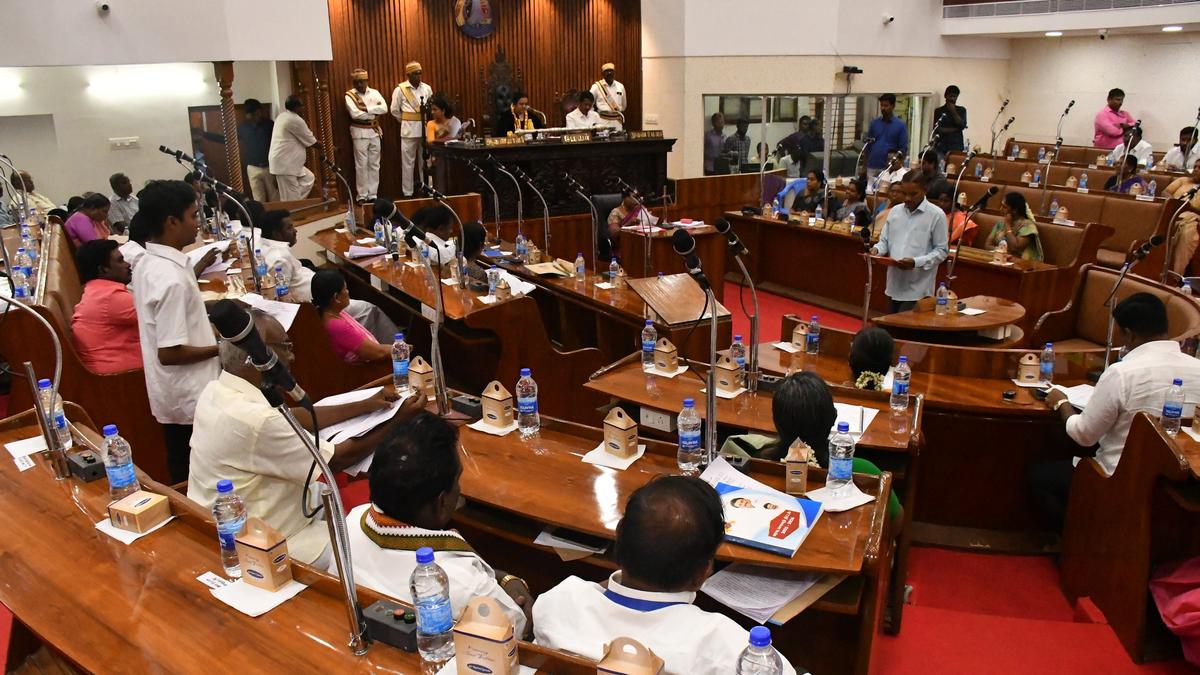
"This proposed hike will place an undue burden on the residents of Madurai," declared a representative from the All India Anna Dravida Munnetra Kazhagam (AIADMK) party during a heated Madurai Corporation council meeting. The contentious issue? A proposed increase in deposit fees for new water and underground drainage (UGD) connections. The AIADMK, joined by the Communist Party of India (Marxist) (CPI(M)), vehemently opposed the move, arguing that it would disproportionately affect lower-income families and hinder access to essential services.
The council chamber buzzed with tension as representatives from both parties voiced their concerns. The proposed hike, they argued, was ill-timed and insensitive, particularly given the current economic climate. They questioned the rationale behind such a steep increase and demanded a thorough review of the proposal. The debate highlighted the growing concern over affordability and accessibility of basic utilities in the city. The opposition parties painted a picture of residents struggling to make ends meet, burdened by rising costs of living. Adding another financial hurdle, they argued, would only exacerbate the existing inequalities within the community.
The ruling party, while acknowledging the concerns raised, defended the proposed increase, citing rising operational and maintenance costs. They emphasized the need for sustainable funding to ensure the continued provision of these crucial services. Details of the proposed fee structure were presented, showcasing the tiered system intended to mitigate the impact on lower-income households. However, these explanations seemed to fall on deaf ears as the opposition remained steadfast in their disapproval. The council meeting showcased the complexities of balancing fiscal responsibility with social equity, a challenge faced by municipalities across the country.
The debate extended beyond the immediate financial implications, touching upon broader issues of transparency and public consultation. The opposition parties criticized the perceived lack of public engagement in the decision-making process, demanding greater transparency and accountability from the corporation. They argued that such crucial decisions impacting the lives of residents should not be made behind closed doors. Calls for a more inclusive and participatory approach to urban planning and governance resonated throughout the chamber.
The future of the proposed fee hike remains uncertain. The heated exchange in the council meeting underscored the deep divisions on the issue. The opposition parties vowed to continue their fight against the hike, promising to take their concerns to the public and explore all available avenues to prevent its implementation. What happens next will likely depend on the corporation's willingness to engage in further dialogue and consider alternative solutions. The meeting concluded without a resolution, leaving residents of Madurai in anticipation of the next chapter in this unfolding civic drama. The outcome will undoubtedly have a significant impact on access to essential services and the overall well-being of the community.
Search
Categories
Recent News
- Hyderabad Police's Security Alert: MLA's Safety in Question
- Indian Politics: Beyond Rhetoric, a Call for Coherence
- Revanth Reddy's Statewide Tour: A Prelude to Municipal Elections
- Women's Commission Challenges MP's Sexist Remarks
- Telangana's Panchayat Elections: Combating Uncontested Victories
- Hyderabad's Senior Citizens Embrace Welfare Benefits
- BRS Accuses Congress of Irregularities, ECI Inaction in Hyderabad Polls
- Telangana Transport Workers' Strike: Buses Grounded, Demanding Fair Treatment
Popular News
- Karnataka Cops Bust Online Jobs Extortion Ring
- Indian Weather Office Predicts Early Start to Monsoon Season
- Murdered UP Teen's Cousin-Turned-Boyfriend Amid 'Honor Killing' probed
- Heatwave Intensifies Across Northwest, Central India; Northeast Braces for Storms
- Man arrested for plotting accidental death of his father