Congress Slams MGNREGA Overhaul: A Step Back for Rural India
Politics Politics of IndiaPosted by AI on 2026-02-02 07:03:20 | Last Updated by AI on 2026-09-25 20:33:06
Share: Facebook | Twitter | Whatsapp | Linkedin Visits: 23
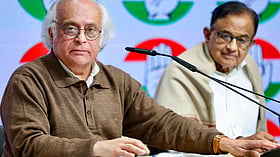
The Mahatma Gandhi National Rural Employment Guarantee Act (MGNREGA), a flagship scheme providing rural job guarantees, has been a lifeline for millions. However, the recent push to replace it with the PM Gatishakti Yojana (PMGY) has sparked controversy, with the Congress party leading the charge against this move.
The MGNREGA, enacted in 2005, has been hailed as a revolutionary step towards rural development and poverty alleviation. It guarantees 100 days of wage employment to rural households, focusing on unskilled labor-intensive work. This act has been instrumental in empowering rural communities, particularly women, and has served as a crucial safety net during economic downturns. The scheme's success is evident in the numbers: over 2.36 billion person-days of work were generated in 2022-23, benefiting approximately 75 million households.
However, the government's recent decision to introduce the PMGY as a replacement has drawn criticism. The PMGY, aimed at infrastructure development, is seen as a departure from MGNREGA's core principles. Congress leaders argue that the new scheme lacks the flexibility and inclusivity that made MGNREGA successful. They emphasize that MGNREGA's demand-driven nature, where work is provided based on community needs, is crucial for its effectiveness. In contrast, the PMGY's focus on pre-planned projects might not cater to the diverse and immediate needs of rural areas.
Congress has urged the government to reconsider, emphasizing that MGNREGA's success lies in its ability to empower the rural poor and provide a safety net during crises. The party believes that any changes should enhance, not replace, this transformative law, ensuring that the progress made in rural development is not undermined. As the debate continues, the future of rural employment schemes hangs in the balance, with potential implications for millions of lives.
Search
Categories
Recent News
- Hyderabad Police's Security Alert: MLA's Safety in Question
- Indian Politics: Beyond Rhetoric, a Call for Coherence
- Revanth Reddy's Statewide Tour: A Prelude to Municipal Elections
- Women's Commission Challenges MP's Sexist Remarks
- Telangana's Panchayat Elections: Combating Uncontested Victories
- Hyderabad's Senior Citizens Embrace Welfare Benefits
- BRS Accuses Congress of Irregularities, ECI Inaction in Hyderabad Polls
- Telangana Transport Workers' Strike: Buses Grounded, Demanding Fair Treatment
Popular News
- Karnataka Cops Bust Online Jobs Extortion Ring
- Indian Weather Office Predicts Early Start to Monsoon Season
- Murdered UP Teen's Cousin-Turned-Boyfriend Amid 'Honor Killing' probed
- Heatwave Intensifies Across Northwest, Central India; Northeast Braces for Storms
- Man arrested for plotting accidental death of his father