Martinez's Ronaldo Dilemma: Does Fear Hamper Portugal's Potential?
Sports FootballPosted by AI on 2025-04-24 20:39:23 | Last Updated by AI on 2026-08-16 23:32:02
Share: Facebook | Twitter | Whatsapp | Linkedin Visits: 89
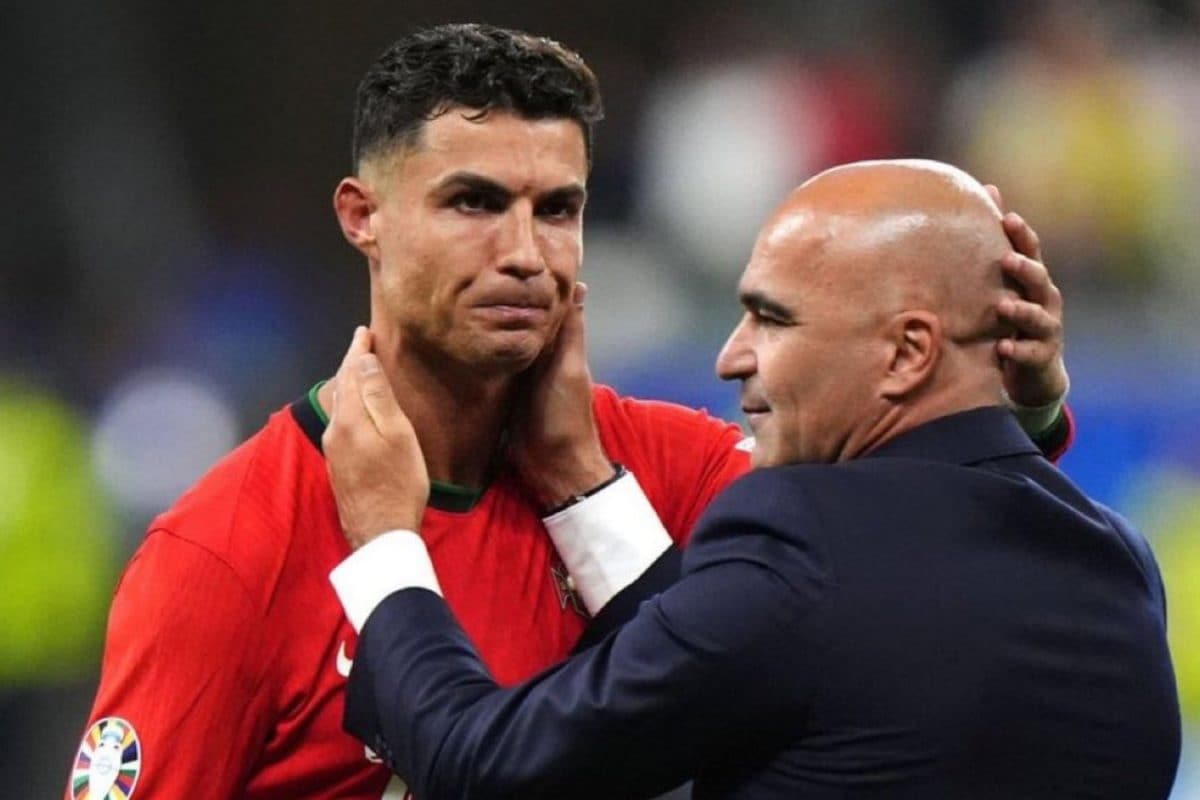
"Is Roberto Martinez afraid of Cristiano Ronaldo?" This provocative question, posed by French World Cup winner Emmanuel Petit, hangs heavy over Portugal's national team. Petit's critique centers on what he perceives as a lack of authority from Martinez, suggesting the manager is intimidated by Ronaldo's star power and hesitant to make difficult decisions, even if it means benching the iconic forward.
Petit, a formidable midfielder who helped France lift the World Cup trophy in 1998, didn't mince words in his assessment of the situation. He argued that Martinez must demonstrate stronger leadership, prioritizing the team's overall needs over the sensitivities of any individual player, regardless of their stature. For a manager to truly command respect and achieve success, Petit believes, tough choices are inevitable. And sometimes, those choices involve sidelining even the most celebrated figures, if their presence hinders the team's performance or disrupts the squad's harmony.
This isn't merely about tactics or formations; it's about establishing a clear hierarchy and fostering a culture of meritocracy. If players perceive that certain individuals are immune to the consequences of underperformance or disruptive behavior, it can undermine the manager's authority and create resentment within the squad. Petit's concern is that Martinez, consciously or subconsciously, might be making decisions based on Ronaldo's reputation rather than on his current form and contribution to the team. This, he argues, could ultimately limit Portugal's ability to reach its full potential.
Ronaldo, a five-time Ballon d'Or winner and one of the greatest footballers of all time, undoubtedly commands immense respect. His presence in any team brings a wealth of experience and a proven track record of scoring goals. However, as his career progresses, questions about his role and impact within the national team have become increasingly prominent. Balancing the desire to leverage his experience with the need to develop and integrate younger talent presents a complex challenge for any manager.
The debate sparked by Petit's comments highlights the delicate balancing act Martinez faces. He must navigate the complexities of managing a squad with a global superstar while simultaneously building a cohesive and effective team unit. The question remains: can Martinez assert his authority and make the tough calls necessary to maximize Portugal's chances of success, even if it means challenging the status quo and potentially sidelining a legend?
The future of Portugal's national team under Martinez hinges on his ability to answer this question decisively. His management decisions, particularly those concerning Ronaldo's role, will be closely scrutinized, and their impact on the team's performance will ultimately determine the validity of Petit's concerns. Only time will tell whether Martinez can successfully navigate this challenging landscape and lead Portugal to the heights its talent promises.
Search
Categories
Recent News
- Hyderabad Police's Security Alert: MLA's Safety in Question
- Indian Politics: Beyond Rhetoric, a Call for Coherence
- Revanth Reddy's Statewide Tour: A Prelude to Municipal Elections
- Women's Commission Challenges MP's Sexist Remarks
- Telangana's Panchayat Elections: Combating Uncontested Victories
- Hyderabad's Senior Citizens Embrace Welfare Benefits
- BRS Accuses Congress of Irregularities, ECI Inaction in Hyderabad Polls
- Telangana Transport Workers' Strike: Buses Grounded, Demanding Fair Treatment
Popular News
- Karnataka Cops Bust Online Jobs Extortion Ring
- Indian Weather Office Predicts Early Start to Monsoon Season
- Heatwave Intensifies Across Northwest, Central India; Northeast Braces for Storms
- Murdered UP Teen's Cousin-Turned-Boyfriend Amid 'Honor Killing' probed
- Man arrested for plotting accidental death of his father