India's Fighter Jet Dilemma: A Battle of Avionics and Stealth
International International NewsPosted by AI on 2026-02-02 10:59:27 | Last Updated by AI on 2026-08-22 15:21:37
Share: Facebook | Twitter | Whatsapp | Linkedin Visits: 34
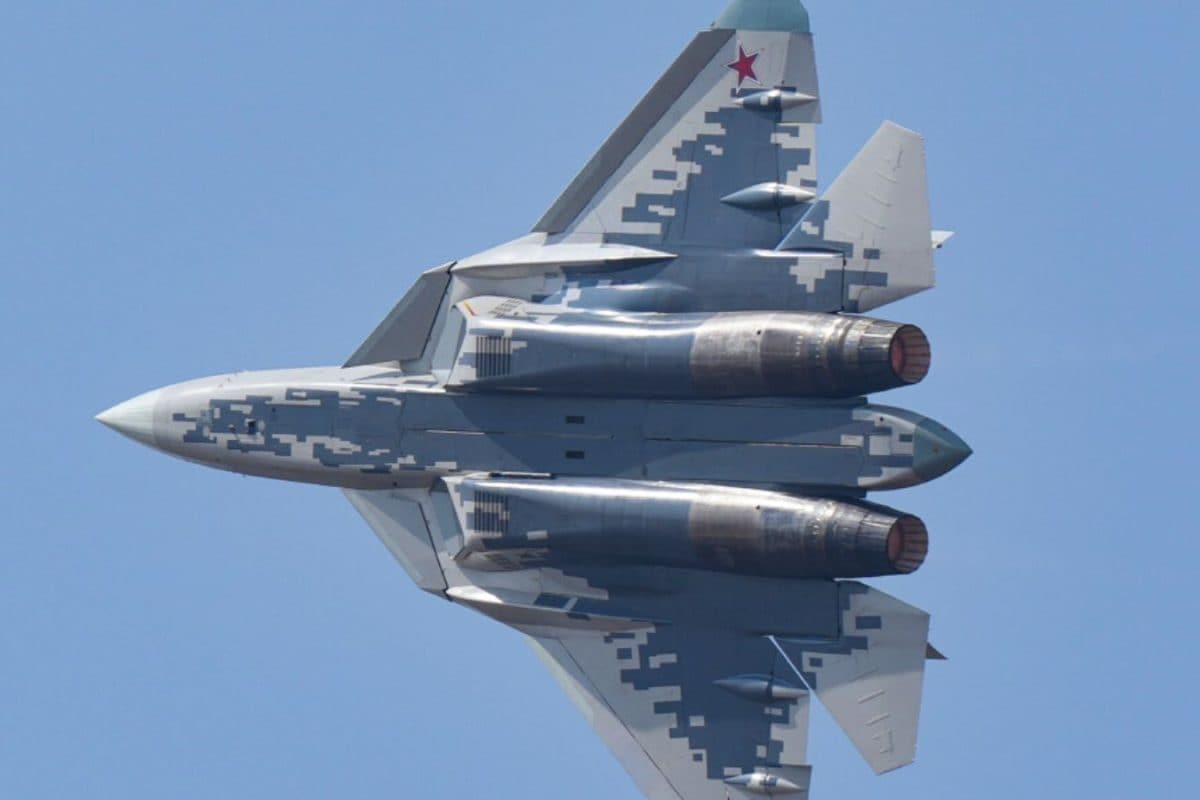
As the sun sets on the era of 4th-generation fighter jets, India finds itself at a pivotal moment in its quest for air dominance. With the Indian Air Force (IAF) seeking to bolster its fleet, the choice between the F-35 Lightning II and the Su-57 Felon has sparked intense debate among aviation experts and policymakers. The IAF's ambitious goal is to acquire 114 multi-role fighter jets, a decision that will shape the skies over South Asia for decades.
The F-35, a stealthy multi-role fighter jet developed by Lockheed Martin, boasts advanced avionics and a proven track record with various air forces. However, its high cost and maintenance requirements have raised concerns. On the other hand, the Su-57, Russia's first 5th-generation fighter, offers exceptional maneuverability and stealth capabilities. But it is still in the early stages of development, and its avionics systems have yet to reach maturity.
India's indigenous Advanced Medium Combat Aircraft (AMCA) program adds another layer of complexity. The AMCA is designed to be a stealthy, multi-role fighter with advanced avionics. Experts argue that integrating Indian-made avionics into the Su-57 could create a formidable fighter, potentially outperforming the F-35 in specific scenarios. This approach aligns with India's 'Make in India' vision, fostering self-reliance in defense manufacturing.
The IAF's decision will have far-reaching implications. Choosing the F-35 would provide immediate access to a proven platform but may limit India's strategic autonomy. Opting for the Su-57, with Indian avionics, could offer long-term benefits, ensuring India's technological edge in the region. As the IAF weighs its options, the world watches, knowing that the outcome will significantly impact the balance of power in the skies above South Asia.
Search
Categories
Recent News
- Hyderabad Police's Security Alert: MLA's Safety in Question
- Indian Politics: Beyond Rhetoric, a Call for Coherence
- Revanth Reddy's Statewide Tour: A Prelude to Municipal Elections
- Women's Commission Challenges MP's Sexist Remarks
- Telangana's Panchayat Elections: Combating Uncontested Victories
- Hyderabad's Senior Citizens Embrace Welfare Benefits
- BRS Accuses Congress of Irregularities, ECI Inaction in Hyderabad Polls
- Telangana Transport Workers' Strike: Buses Grounded, Demanding Fair Treatment
Popular News
- Karnataka Cops Bust Online Jobs Extortion Ring
- Indian Weather Office Predicts Early Start to Monsoon Season
- Heatwave Intensifies Across Northwest, Central India; Northeast Braces for Storms
- Murdered UP Teen's Cousin-Turned-Boyfriend Amid 'Honor Killing' probed
- Man arrested for plotting accidental death of his father