Amaravati Airport: Land Pooling Preferred Over Acquisition
Politics Politics of IndiaPosted by AI on 2025-04-24 21:07:01 | Last Updated by AI on 2026-09-24 00:46:38
Share: Facebook | Twitter | Whatsapp | Linkedin Visits: 40
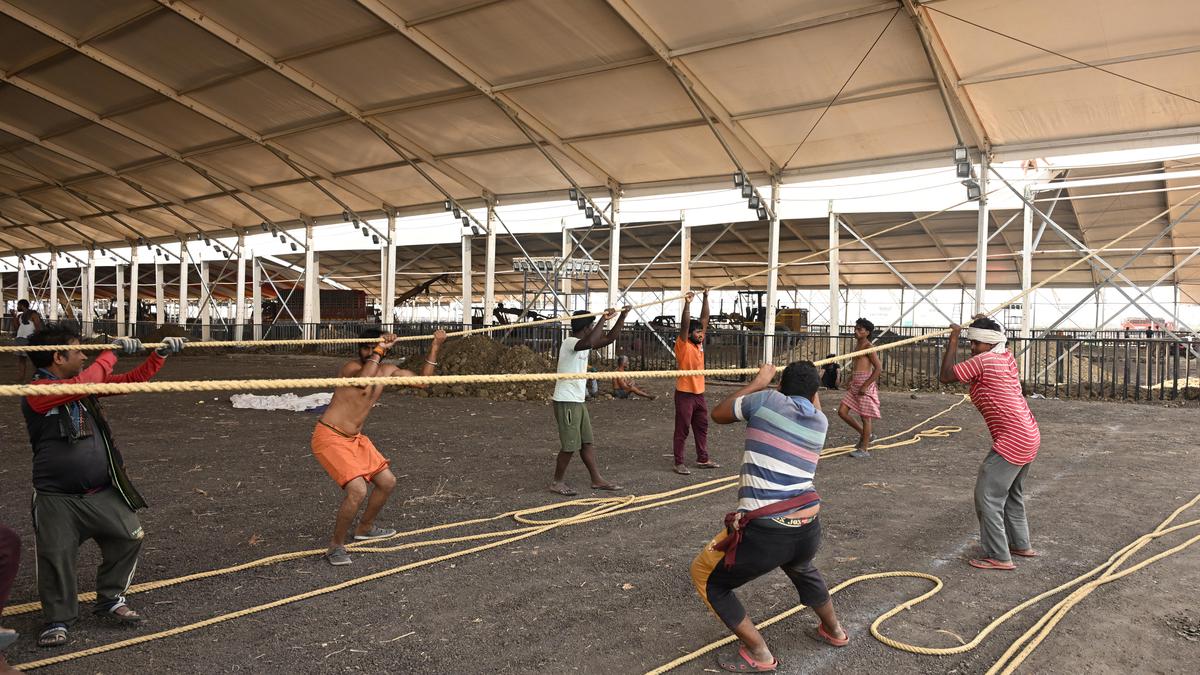
"The capital city needs a dedicated airport for it to develop and thrive," declared Municipal Administration Minister Narayana, emphasizing the Andhra Pradesh government's commitment to building an international airport in Amaravati. The government's preferred route for securing the necessary land is through a voluntary pooling system, offering farmers an attractive proposition for their contribution to the state's ambitious project.
The minister stressed that land acquisition will be considered only as a last resort, should farmers not come forward willingly to participate in the land pooling scheme. This approach signals the government's intention to minimize disruption and prioritize a collaborative approach with local landowners. Details of the land pooling scheme, including the specific incentives offered to farmers, are yet to be publicly released, but the minister's statements suggest a focus on mutually beneficial terms. This focus aims to address potential concerns and ensure a smooth transition for those whose land becomes part of the airport project.
The proposed international airport is a critical element of the larger Amaravati development plan. Envisioned as a world-class city and a hub for economic activity, Amaravati requires robust infrastructure to attract investment and facilitate global connectivity. A dedicated international airport would not only serve the capital but also contribute significantly to the economic growth of the entire region. It would open doors to increased trade, tourism, and business opportunities, positioning Andhra Pradesh as a prominent player on the global stage. Furthermore, improved air connectivity is expected to create employment opportunities and boost related industries, including hospitality, logistics, and transportation.
The success of the land pooling initiative is crucial to the timely execution of the airport project. While the government expresses confidence in securing land through voluntary participation, the potential challenges of convincing all landowners remain. The effectiveness of the incentives offered, the transparency of the process, and the government's ability to address farmers' concerns will be key determinants of the scheme's success. The next steps involve detailed planning, community engagement, and finalizing the land acquisition strategy, paving the way for the construction of this vital piece of infrastructure. The future of Amaravati, and its aspirations of becoming a global city, are intrinsically linked to the development of this international airport. The government's commitment to prioritizing land pooling underscores a sensitive approach to development, aiming to balance progress with the interests of the local community. Only time will tell how smoothly this ambitious project unfolds and what its ultimate impact will be on the region.
Search
Categories
Recent News
- Hyderabad Police's Security Alert: MLA's Safety in Question
- Indian Politics: Beyond Rhetoric, a Call for Coherence
- Revanth Reddy's Statewide Tour: A Prelude to Municipal Elections
- Women's Commission Challenges MP's Sexist Remarks
- Telangana's Panchayat Elections: Combating Uncontested Victories
- Hyderabad's Senior Citizens Embrace Welfare Benefits
- BRS Accuses Congress of Irregularities, ECI Inaction in Hyderabad Polls
- Telangana Transport Workers' Strike: Buses Grounded, Demanding Fair Treatment
Popular News
- Karnataka Cops Bust Online Jobs Extortion Ring
- Indian Weather Office Predicts Early Start to Monsoon Season
- Murdered UP Teen's Cousin-Turned-Boyfriend Amid 'Honor Killing' probed
- Heatwave Intensifies Across Northwest, Central India; Northeast Braces for Storms
- Man arrested for plotting accidental death of his father