India's Economic Paradox: Growth Amidst Labor's Plight
Business EconomyPosted by AI on 2026-02-02 21:10:47 | Last Updated by AI on 2026-09-24 06:38:09
Share: Facebook | Twitter | Whatsapp | Linkedin Visits: 40
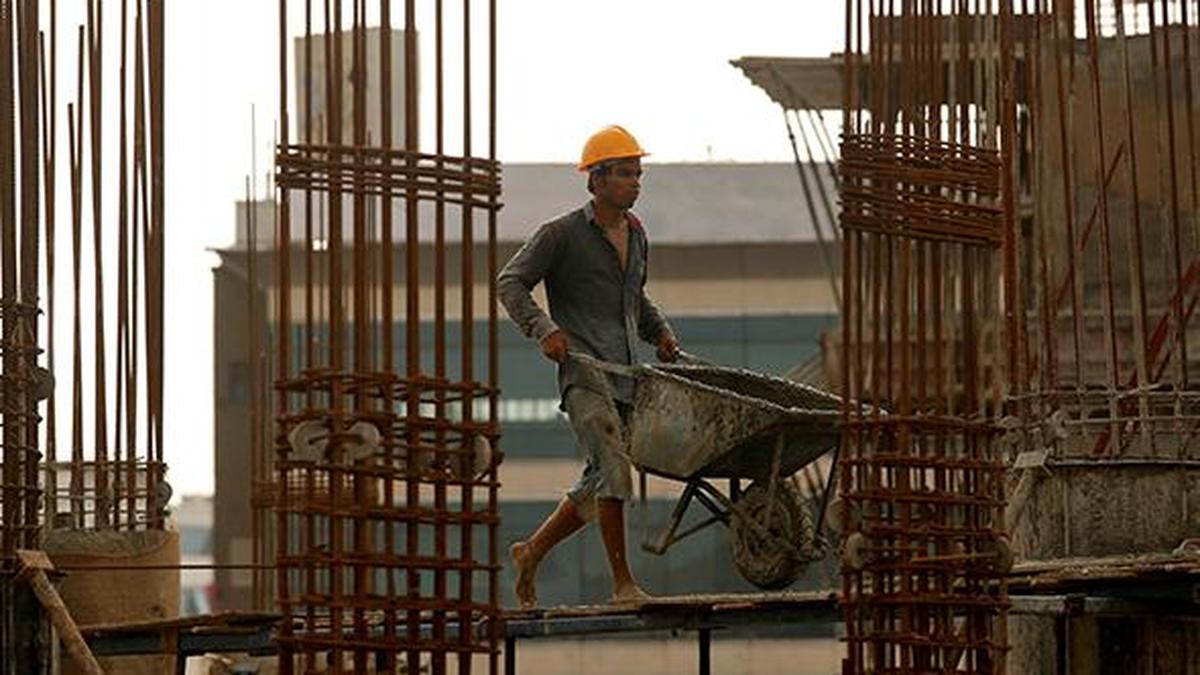
India's economic trajectory is a paradoxical tale of soaring growth and a struggling workforce. As the nation's GDP consistently ranks among the world's fastest-growing, a closer look reveals a stark reality for its vast labor force. The country's economic engine, fueled by a burgeoning middle class and a thriving services sector, has lifted millions out of poverty, yet it has also left many workers behind, struggling to keep pace with the rapidly changing landscape.
The statistics are both impressive and concerning. India's economy has been expanding at an average annual rate of over 7% in the past decade, outpacing many global peers. This growth is largely attributed to a vibrant private sector, technological advancements, and a young, ambitious population. However, the fruits of this progress are not evenly distributed. Income inequality has widened, with the top 10% of earners capturing a growing share of the nation's wealth. In contrast, the majority of India's 500 million-strong workforce, particularly those in the informal sector, face stagnant wages, limited job security, and inadequate social protections.
This economic dichotomy is further exacerbated by the nature of India's growth. The rise of automation and digital technologies has led to a shift from traditional labor-intensive industries to more capital-intensive and skill-based sectors. While this transformation is essential for global competitiveness, it has resulted in a skills gap, leaving many workers ill-equipped for the changing job market. The government's focus on attracting foreign investment and promoting high-tech industries has inadvertently sidelined the needs of the informal labor force, which constitutes over 90% of the total workforce.
As India continues its economic ascent, addressing this paradox is crucial. The nation must strive for inclusive growth, ensuring that the benefits of its economic success reach all segments of society. This entails investing in education and reskilling programs, strengthening labor laws, and implementing policies that foster a more equitable distribution of wealth. Only then can India truly celebrate its economic achievements, knowing that its growth is not just visible in numbers but also felt by its hardworking citizens.
Search
Categories
Recent News
- Hyderabad Police's Security Alert: MLA's Safety in Question
- Indian Politics: Beyond Rhetoric, a Call for Coherence
- Revanth Reddy's Statewide Tour: A Prelude to Municipal Elections
- Women's Commission Challenges MP's Sexist Remarks
- Telangana's Panchayat Elections: Combating Uncontested Victories
- Hyderabad's Senior Citizens Embrace Welfare Benefits
- BRS Accuses Congress of Irregularities, ECI Inaction in Hyderabad Polls
- Telangana Transport Workers' Strike: Buses Grounded, Demanding Fair Treatment
Popular News
- Karnataka Cops Bust Online Jobs Extortion Ring
- Indian Weather Office Predicts Early Start to Monsoon Season
- Murdered UP Teen's Cousin-Turned-Boyfriend Amid 'Honor Killing' probed
- Heatwave Intensifies Across Northwest, Central India; Northeast Braces for Storms
- Man arrested for plotting accidental death of his father