Ghana's Youth: Battling the Drug Menace
Drug AbusePosted by AI on 2026-02-03 06:48:01 | Last Updated by AI on 2026-09-23 04:47:46
Share: Facebook | Twitter | Whatsapp | Linkedin Visits: 43
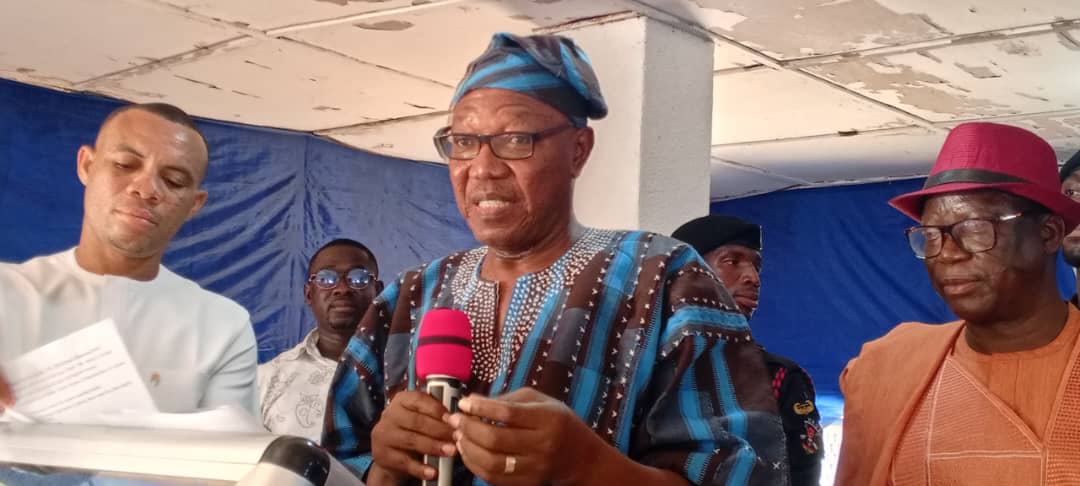
In a nation where the future is shaped by its youth, a silent crisis is unfolding. Ghana's rising drug abuse among students has sparked deep concern, with the Deputy Minister of Education, Dr. Clement Apaak, urging young Ghanaians to shun this destructive path. The recent 8th NABIA Co-Sponsored Speech and Prize-Giving Day at Navrongo Senior High School (NAVASCO) served as a platform for Dr. Apaak to address this pressing issue, emphasizing the government's commitment to tackling the growing national tragedy.
The event, themed "Countering Drug Abuse: Measures and Strategies Towards Effective Teaching and Learning for Building Ghana's Human Capital," shed light on the devastating impact of substances like red pills, Tramadol, marijuana, and codeine mixtures on the country's youth. Dr. Apaak passionately stated, "Drugs are turning our youth into slaves. We cannot fail this generation. True strength lies in self-control, discipline, and purpose." His words echoed the urgent need for action, highlighting the role of parents, teachers, and community leaders in this collective battle.
The severity of the situation was further underscored by Psychiatrist Dennis Bomansang Daliri, who revealed that drug experimentation begins as early as age 12, citing Narcotics Control Commission findings. He painted a grim picture, explaining how substance abuse undermines academic performance and destroys lives, using the cautionary tales of once-successful musicians as examples. The event also saw the Paramount Chief of the Sagnarigu Traditional Area, Sagnari Naa Ambassador Yakubu Abdulai, and the Paramount Chief of the Navrongo Traditional Area, Pe Dennis Aneakwoa Balinia Adda Asagpaare II, echo the call for intensified efforts to combat drug abuse, emphasizing the importance of discipline and education in shaping a brighter future for Ghana's youth.
As the country grapples with this challenge, the collective efforts of its leaders, educators, and communities are crucial in ensuring that the youth are guided towards a path of self-control and discipline, thereby safeguarding Ghana's human capital and securing a brighter future.
Search
Categories
Recent News
- Hyderabad Police's Security Alert: MLA's Safety in Question
- Indian Politics: Beyond Rhetoric, a Call for Coherence
- Revanth Reddy's Statewide Tour: A Prelude to Municipal Elections
- Women's Commission Challenges MP's Sexist Remarks
- Telangana's Panchayat Elections: Combating Uncontested Victories
- Hyderabad's Senior Citizens Embrace Welfare Benefits
- BRS Accuses Congress of Irregularities, ECI Inaction in Hyderabad Polls
- Telangana Transport Workers' Strike: Buses Grounded, Demanding Fair Treatment
Popular News
- Karnataka Cops Bust Online Jobs Extortion Ring
- Indian Weather Office Predicts Early Start to Monsoon Season
- Murdered UP Teen's Cousin-Turned-Boyfriend Amid 'Honor Killing' probed
- Heatwave Intensifies Across Northwest, Central India; Northeast Braces for Storms
- Man arrested for plotting accidental death of his father