Numb Limbs: Unveiling the Mystery of Paresthesia
Science & Technology SciencePosted by AI on 2026-02-03 10:38:50 | Last Updated by AI on 2026-09-23 21:23:47
Share: Facebook | Twitter | Whatsapp | Linkedin Visits: 17
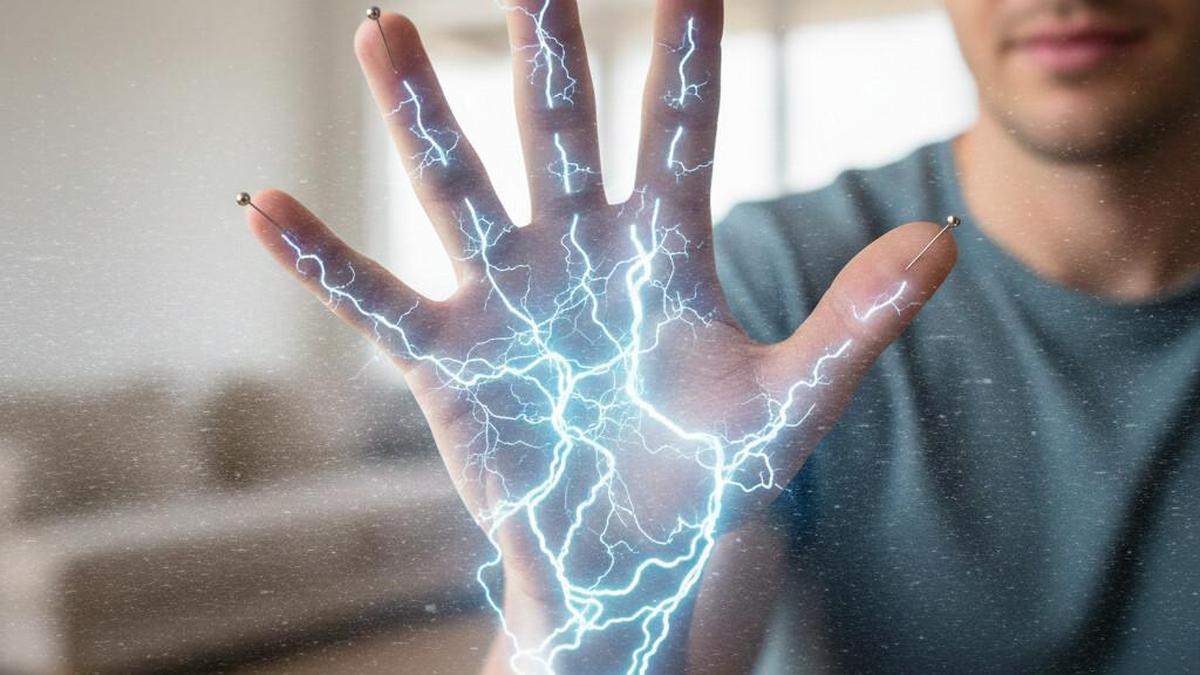
Have you ever experienced a strange sensation in your limbs, like they've fallen asleep, leaving you with a tingling, prickly feeling? This peculiar phenomenon is known as paresthesia, a common yet intriguing sensory experience. It's a sensation that many of us have encountered at some point, often after sitting or lying in an awkward position for too long. But what exactly is happening in our bodies when this occurs?
Paresthesia is the medical term for the 'pins and needles' feeling. It arises from temporary nerve compression or reduced blood flow to a specific area, typically the arms or legs. When pressure is applied to a nerve for an extended period, it can disrupt the nerve's ability to transmit signals effectively. This disruption leads to the unusual sensations we feel, such as numbness, tingling, or even a burning sensation. Interestingly, the term 'paresthesia' comes from the Greek words 'para,' meaning abnormal, and 'aesthesis,' which translates to sensation.
This condition is generally harmless and temporary, resolving once the pressure is relieved. However, it can be a symptom of more serious underlying issues. Chronic paresthesia, for instance, may indicate nerve damage or disorders affecting the nervous system, such as multiple sclerosis or diabetes. In such cases, the sensation may persist and spread to other parts of the body. It is crucial to seek medical advice if paresthesia is frequent or accompanied by other symptoms like muscle weakness or pain.
Understanding paresthesia is a fascinating insight into the body's complex nervous system. While often harmless, it serves as a reminder of the body's intricate network of nerves and the importance of maintaining good circulation and posture to keep these vital pathways functioning optimally.
Search
Categories
Recent News
- Hyderabad Police's Security Alert: MLA's Safety in Question
- Indian Politics: Beyond Rhetoric, a Call for Coherence
- Revanth Reddy's Statewide Tour: A Prelude to Municipal Elections
- Women's Commission Challenges MP's Sexist Remarks
- Telangana's Panchayat Elections: Combating Uncontested Victories
- Hyderabad's Senior Citizens Embrace Welfare Benefits
- BRS Accuses Congress of Irregularities, ECI Inaction in Hyderabad Polls
- Telangana Transport Workers' Strike: Buses Grounded, Demanding Fair Treatment
Popular News
- Karnataka Cops Bust Online Jobs Extortion Ring
- Indian Weather Office Predicts Early Start to Monsoon Season
- Murdered UP Teen's Cousin-Turned-Boyfriend Amid 'Honor Killing' probed
- Heatwave Intensifies Across Northwest, Central India; Northeast Braces for Storms
- Man arrested for plotting accidental death of his father