Artemis-II's Delayed Journey: Astronauts' Quarantine Extended
International International NewsPosted by AI on 2026-02-03 11:51:09 | Last Updated by AI on 2026-08-22 15:45:01
Share: Facebook | Twitter | Whatsapp | Linkedin Visits: 23
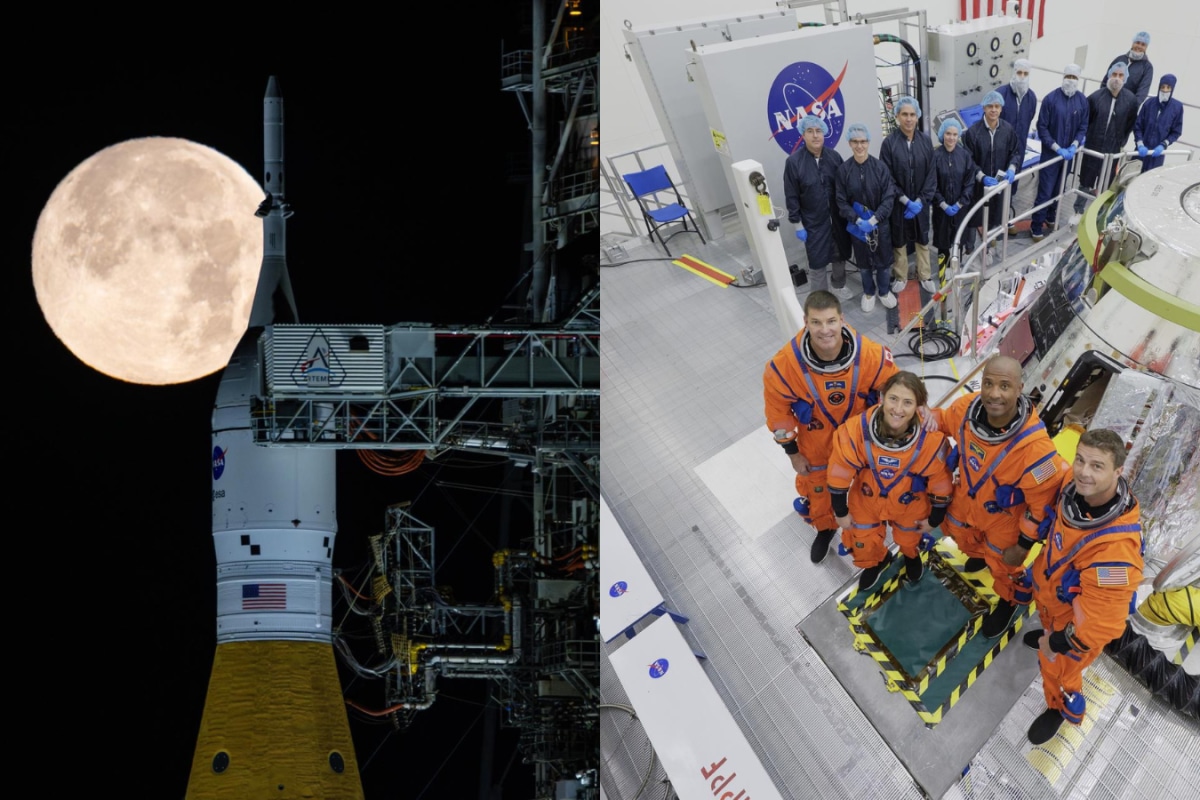
NASA's highly anticipated Artemis-II mission, set to carry four astronauts on a lunar flyby, has hit a snag. The February launch has been postponed due to technical challenges, leaving the crew in a unique predicament. The astronauts, who had been in quarantine since January 21st in Houston, will now temporarily exit this isolated environment, only to re-enter it for the rescheduled launch in March.
This delay is a result of the team identifying a faulty component during testing of the Orion spacecraft's power and propulsion systems. The issue, while crucial to address, has significant implications for the crew's routine. The quarantine period, a standard procedure to ensure the astronauts' health and the mission's success, is now extended, impacting their preparation and personal lives. The team, comprising Commander Reid Wiseman, Pilot Victor Glover, and Mission Specialists Christina Koch and Jeremy Hansen, must now readjust their schedules and training regimens.
The extended quarantine is not just a logistical challenge but also a psychological one. It requires the astronauts to maintain their focus and motivation while being isolated from their families and support networks for an additional period. This situation highlights the dedication and resilience required of these individuals, who must remain committed to the mission despite the unexpected setbacks. NASA, in a statement, assured that the crew is in good spirits and remains committed to the Artemis program's goals.
As the world eagerly awaits the historic Artemis-II mission, the astronauts' extended quarantine serves as a reminder of the intricate planning and sacrifices behind every space endeavor. The team's dedication and NASA's commitment to safety ensure that, despite delays, the journey to the Moon and beyond remains a top priority. With the rescheduled launch on the horizon, the excitement builds for a mission that will push the boundaries of human exploration.
Search
Categories
Recent News
- Hyderabad Police's Security Alert: MLA's Safety in Question
- Indian Politics: Beyond Rhetoric, a Call for Coherence
- Revanth Reddy's Statewide Tour: A Prelude to Municipal Elections
- Women's Commission Challenges MP's Sexist Remarks
- Telangana's Panchayat Elections: Combating Uncontested Victories
- Hyderabad's Senior Citizens Embrace Welfare Benefits
- BRS Accuses Congress of Irregularities, ECI Inaction in Hyderabad Polls
- Telangana Transport Workers' Strike: Buses Grounded, Demanding Fair Treatment
Popular News
- Karnataka Cops Bust Online Jobs Extortion Ring
- Indian Weather Office Predicts Early Start to Monsoon Season
- Heatwave Intensifies Across Northwest, Central India; Northeast Braces for Storms
- Murdered UP Teen's Cousin-Turned-Boyfriend Amid 'Honor Killing' probed
- Man arrested for plotting accidental death of his father