Trinamool's Bold Move: Impeachment Talks Against Election Chief
Politics Politics of IndiaPosted by AI on 2026-02-03 15:34:19 | Last Updated by AI on 2026-09-24 14:28:29
Share: Facebook | Twitter | Whatsapp | Linkedin Visits: 24
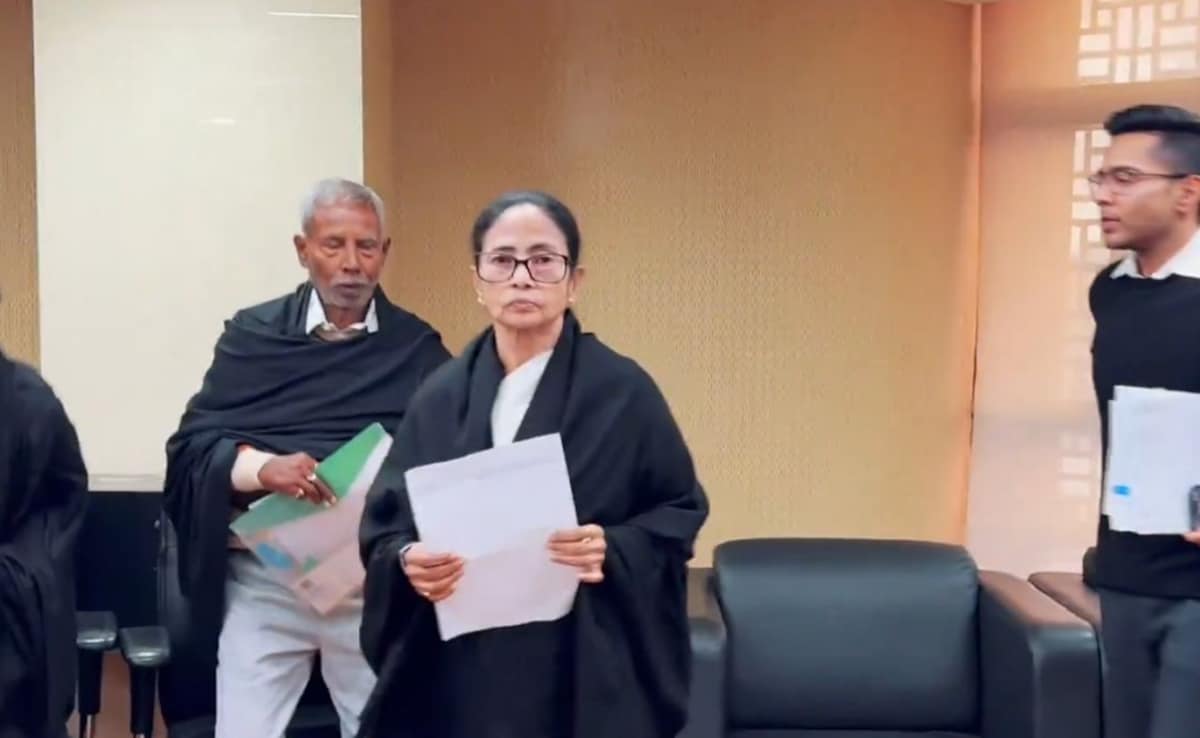
In a significant political development, the Trinamool Congress has signaled its intent to challenge the authority of India's Chief Election Commissioner, Gyanesh Kumar. The party's MP, Kalyan Banerjee, revealed their strategy to engage in discussions with other political parties regarding the potential impeachment of the CEC. This move comes amid growing tensions between the Trinamool Congress and the election body, with the party expressing dissatisfaction over various decisions and actions.
Banerjee's announcement has sparked intense speculation within political circles. The impeachment of a Chief Election Commissioner is an extraordinary measure, rarely invoked, and requires a substantial majority in both houses of Parliament. The Trinamool Congress, a key regional player, is gearing up for a challenging task, aiming to build a consensus among diverse parties. The party's move is likely to face legal and political hurdles, as the impeachment process is complex and requires a high standard of proof.
The reasons for the Trinamool Congress's discontent remain unclear, but sources suggest it may be linked to recent electoral controversies and the party's desire for electoral reforms. As the party reaches out to potential allies, the political landscape is set for a dramatic shift. The impeachment process, if initiated, will be a significant test of the Trinamool Congress's influence and the unity of opposition parties.
With the Trinamool Congress taking a bold step, the political arena is abuzz with anticipation. The coming days will reveal whether this move gains traction or fizzles out, leaving a lasting impact on India's political and electoral landscape. As the nation watches, the fate of the Chief Election Commissioner and the Trinamool Congress's agenda hangs in the balance, with far-reaching consequences for the country's democratic processes.
Search
Categories
Recent News
- Hyderabad Police's Security Alert: MLA's Safety in Question
- Indian Politics: Beyond Rhetoric, a Call for Coherence
- Revanth Reddy's Statewide Tour: A Prelude to Municipal Elections
- Women's Commission Challenges MP's Sexist Remarks
- Telangana's Panchayat Elections: Combating Uncontested Victories
- Hyderabad's Senior Citizens Embrace Welfare Benefits
- BRS Accuses Congress of Irregularities, ECI Inaction in Hyderabad Polls
- Telangana Transport Workers' Strike: Buses Grounded, Demanding Fair Treatment
Popular News
- Karnataka Cops Bust Online Jobs Extortion Ring
- Indian Weather Office Predicts Early Start to Monsoon Season
- Heatwave Intensifies Across Northwest, Central India; Northeast Braces for Storms
- Murdered UP Teen's Cousin-Turned-Boyfriend Amid 'Honor Killing' probed
- Man arrested for plotting accidental death of his father