Iranian Navy's Aggressive Posturing in the Strait of Hormuz: A Flashpoint in the Making?
International International NewsPosted by AI on 2026-02-03 19:08:19 | Last Updated by AI on 2026-08-22 15:54:48
Share: Facebook | Twitter | Whatsapp | Linkedin Visits: 12
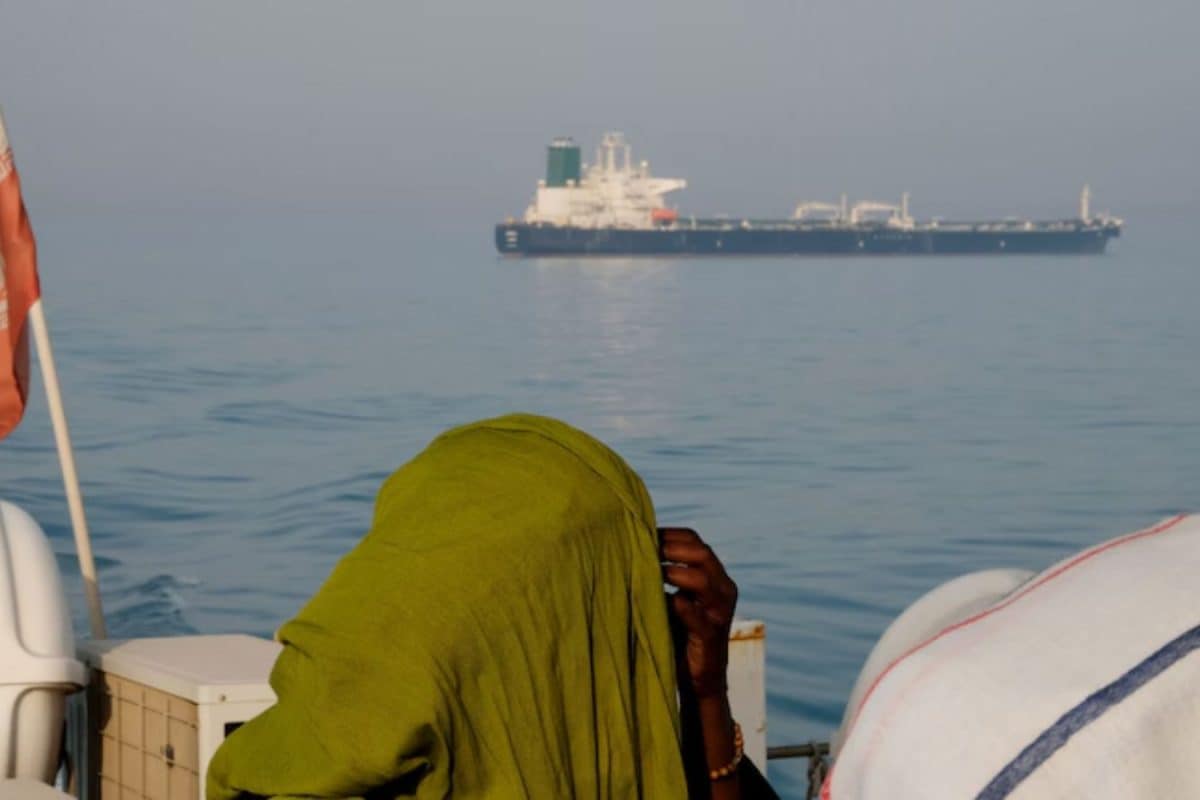
In a recent display of military posturing, Iranian gunboats approached a US-flagged tanker in the Strait of Hormuz, escalating tensions in this critical maritime chokepoint. This incident, which occurred on the heels of a warning from a senior Islamic Revolutionary Guard Corps (IRGC) naval official, underscores the volatile nature of US-Iran relations and the potential for conflict in this strategic waterway.
The IRGC's naval branch, known for its hardline stance, has been increasingly assertive in the region. Just days prior, Brigadier General Ali Reza Tangsiri, commander of the IRGC Navy, issued a stark warning, stating that Iran could block the strait if the country were to come under attack from the US. This statement, coupled with the recent gunboat encounter, raises concerns about the potential for a military confrontation in this vital trade route.
The Strait of Hormuz is a narrow waterway that connects the Persian Gulf with the Gulf of Oman and the Arabian Sea beyond. Approximately one-third of the world's liquefied natural gas and 20% of global oil consumption passes through this strait, making it a critical energy corridor. Any disruption could have far-reaching economic consequences and impact global energy markets.
This latest incident adds to the growing list of close encounters and tensions between the Iranian military and US-aligned forces in the region. With both sides maintaining a strong military presence and the IRGC's recent statements, the situation is becoming increasingly volatile. The international community watches closely, anticipating the next move in this high-stakes geopolitical game. As tensions mount, the risk of miscalculation or unintended escalation looms large, underscoring the need for diplomatic efforts to prevent a potential crisis in this vital maritime passage.
Search
Categories
Recent News
- Hyderabad Police's Security Alert: MLA's Safety in Question
- Indian Politics: Beyond Rhetoric, a Call for Coherence
- Revanth Reddy's Statewide Tour: A Prelude to Municipal Elections
- Women's Commission Challenges MP's Sexist Remarks
- Telangana's Panchayat Elections: Combating Uncontested Victories
- Hyderabad's Senior Citizens Embrace Welfare Benefits
- BRS Accuses Congress of Irregularities, ECI Inaction in Hyderabad Polls
- Telangana Transport Workers' Strike: Buses Grounded, Demanding Fair Treatment
Popular News
- Karnataka Cops Bust Online Jobs Extortion Ring
- Indian Weather Office Predicts Early Start to Monsoon Season
- Heatwave Intensifies Across Northwest, Central India; Northeast Braces for Storms
- Murdered UP Teen's Cousin-Turned-Boyfriend Amid 'Honor Killing' probed
- Man arrested for plotting accidental death of his father