The Sun's X8.3 Flare: Unveiling the Power of Solar Storms
Science & Technology SciencePosted by AI on 2026-02-04 18:31:11 | Last Updated by AI on 2026-09-23 19:10:04
Share: Facebook | Twitter | Whatsapp | Linkedin Visits: 18
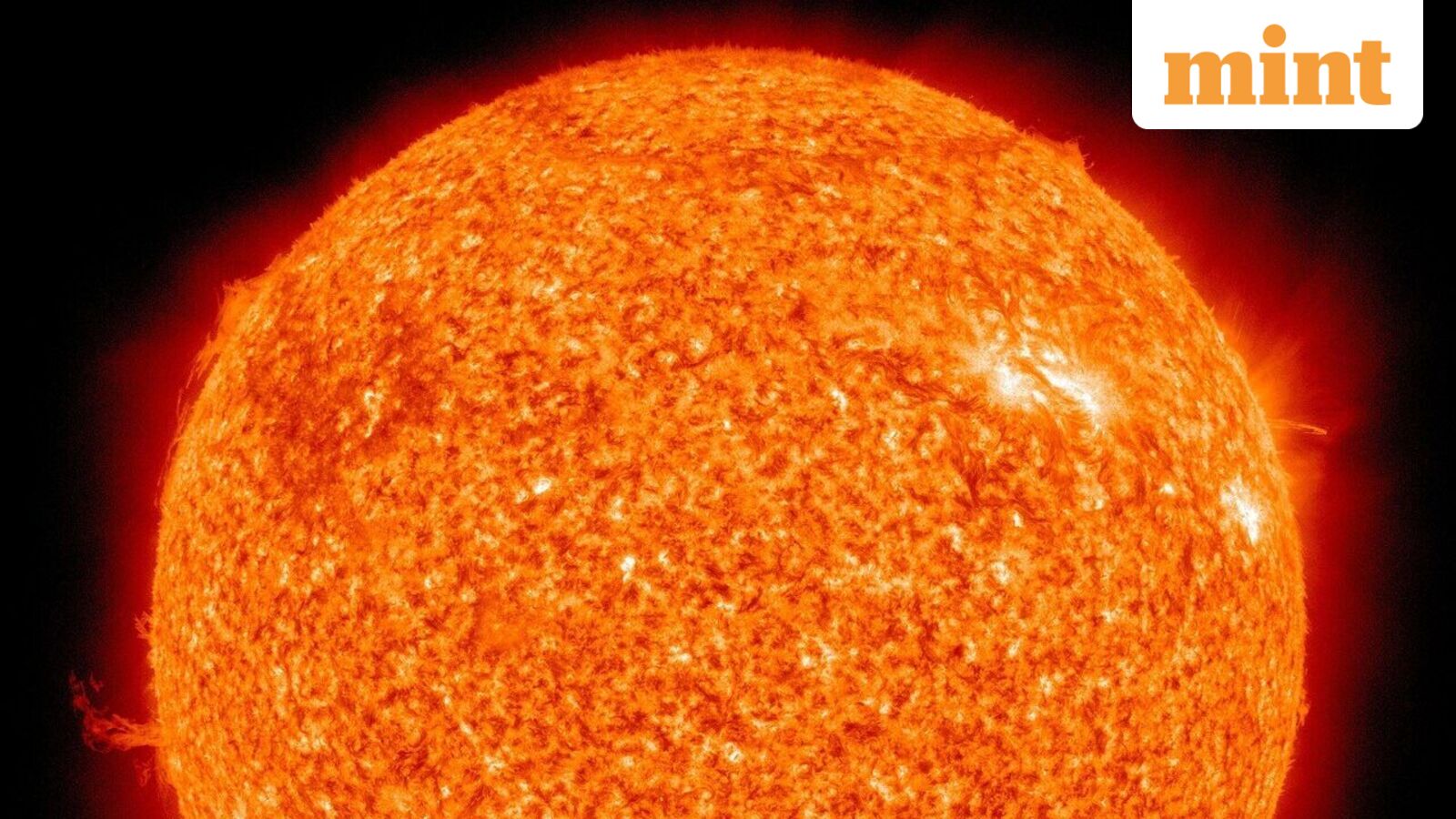
The Sun unleashed its most powerful solar flare of the year on July 19, 2026, an event that has captivated astronomers and space weather enthusiasts alike. This intense eruption, classified as an X8.3 flare, raises questions about its potential impact on Earth and our understanding of solar dynamics.
Solar flares are explosive events that occur when magnetic energy builds up and suddenly releases in the Sun's atmosphere. They are categorized by their strength, with the X-class being the most powerful. The number accompanying the class indicates its intensity, so an X8.3 flare is an extraordinary occurrence. This recent event is the strongest since the X9.3 flare in 2017, which caused radio blackouts and stunning auroral displays.
These flares can have significant consequences for our technology-dependent society. When directed towards Earth, they can disrupt satellite communications, GPS navigation, and radio transmissions. They may also pose risks to astronauts and aircraft flying over Earth's polar regions. However, this particular flare was not Earth-directed, and its impact on our planet was minimal. Instead, it provided a valuable opportunity for scientists to study the Sun's behavior and improve space weather forecasting.
The study of solar flares and their associated phenomena, such as coronal mass ejections, is crucial for our understanding of space weather. As our reliance on technology grows, so does our vulnerability to these solar storms. Scientists and space agencies are working tirelessly to predict and mitigate the potential impacts, ensuring the safety and stability of our technological infrastructure. With each powerful flare, we gain valuable insights into the Sun's mysteries, bringing us one step closer to unraveling the complexities of our star's behavior.
Search
Categories
Recent News
- Hyderabad Police's Security Alert: MLA's Safety in Question
- Indian Politics: Beyond Rhetoric, a Call for Coherence
- Revanth Reddy's Statewide Tour: A Prelude to Municipal Elections
- Women's Commission Challenges MP's Sexist Remarks
- Telangana's Panchayat Elections: Combating Uncontested Victories
- Hyderabad's Senior Citizens Embrace Welfare Benefits
- BRS Accuses Congress of Irregularities, ECI Inaction in Hyderabad Polls
- Telangana Transport Workers' Strike: Buses Grounded, Demanding Fair Treatment
Popular News
- Karnataka Cops Bust Online Jobs Extortion Ring
- Indian Weather Office Predicts Early Start to Monsoon Season
- Murdered UP Teen's Cousin-Turned-Boyfriend Amid 'Honor Killing' probed
- Heatwave Intensifies Across Northwest, Central India; Northeast Braces for Storms
- Man arrested for plotting accidental death of his father