Pakistan's Security Crisis: Rebels Outgun the Military
International International NewsPosted by AI on 2026-02-04 18:46:18 | Last Updated by AI on 2026-08-22 16:16:36
Share: Facebook | Twitter | Whatsapp | Linkedin Visits: 12
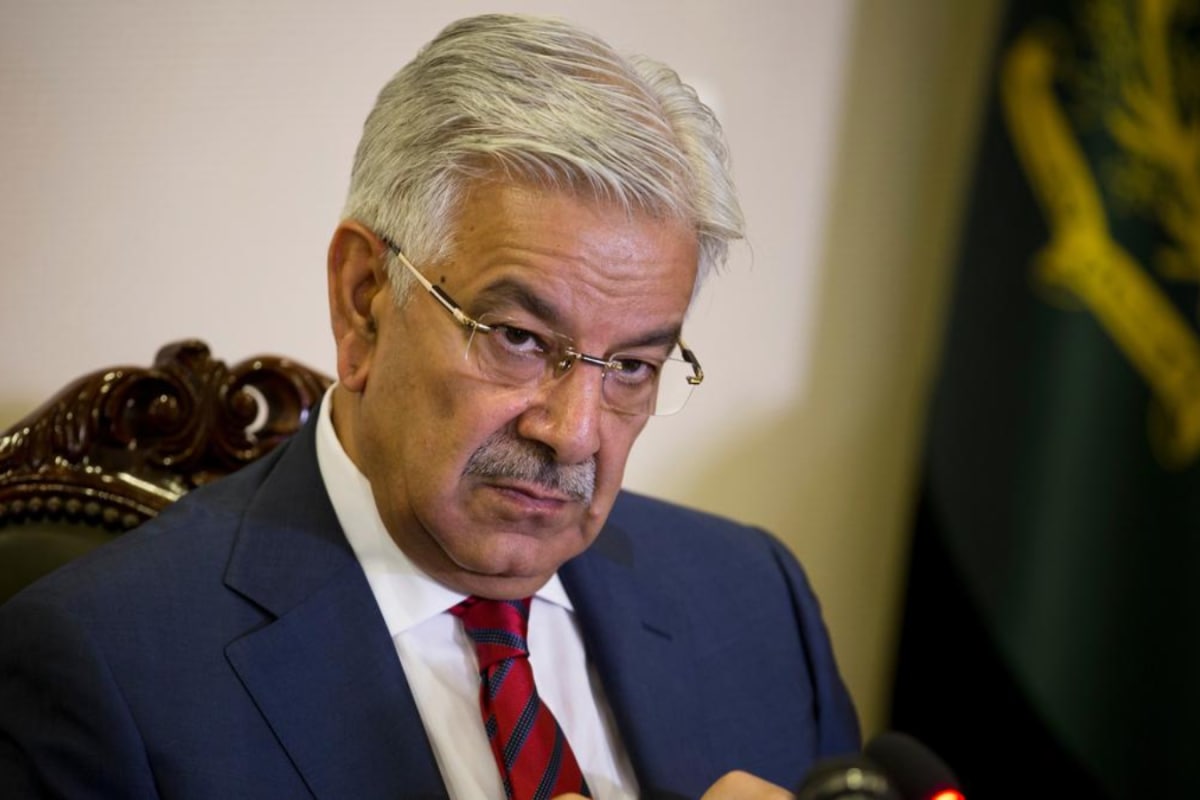
In a startling revelation, Pakistan's defence minister, Khawaja Asif, has acknowledged a critical gap in the country's military capabilities. The Baloch rebels, a separatist group in the southwestern province of Balochistan, possess advanced weaponry, including rifles and night vision devices, that the Pakistani security forces lack. This admission comes at a time when the nation grapples with escalating security challenges.
The minister's statement highlights a concerning reality: the country's defence forces are "handicapped" in their fight against the well-equipped rebels. The Baloch insurgency, which has been active for decades, seeks greater autonomy and a larger share of the province's natural resources. With their superior arms, the rebels have gained an upper hand, posing a significant threat to the stability of the region. This situation raises questions about the effectiveness of Pakistan's military strategy and the allocation of resources to counter such threats.
The government's struggle to address this security crisis is not new. The rugged terrain of Balochistan, coupled with the rebels' sophisticated arms, has made it a challenging task for the military. The recent acknowledgment of the force's shortcomings is a significant development, indicating a potential shift in the government's approach to the issue.
As the security situation remains tense, the public awaits further updates and actions from the government. Will there be a strategic reevaluation and a push for better-equipped forces? The minister's words have sparked a crucial conversation about the nation's defence capabilities and the steps needed to ensure the safety and sovereignty of Pakistan.
Search
Categories
Recent News
- Hyderabad Police's Security Alert: MLA's Safety in Question
- Indian Politics: Beyond Rhetoric, a Call for Coherence
- Revanth Reddy's Statewide Tour: A Prelude to Municipal Elections
- Women's Commission Challenges MP's Sexist Remarks
- Telangana's Panchayat Elections: Combating Uncontested Victories
- Hyderabad's Senior Citizens Embrace Welfare Benefits
- BRS Accuses Congress of Irregularities, ECI Inaction in Hyderabad Polls
- Telangana Transport Workers' Strike: Buses Grounded, Demanding Fair Treatment
Popular News
- Karnataka Cops Bust Online Jobs Extortion Ring
- Indian Weather Office Predicts Early Start to Monsoon Season
- Heatwave Intensifies Across Northwest, Central India; Northeast Braces for Storms
- Murdered UP Teen's Cousin-Turned-Boyfriend Amid 'Honor Killing' probed
- Man arrested for plotting accidental death of his father