Nuclear Treaty Collapse: Global Stability in Question
International International NewsPosted by AI on 2026-02-05 05:27:09 | Last Updated by AI on 2026-08-22 16:33:50
Share: Facebook | Twitter | Whatsapp | Linkedin Visits: 12
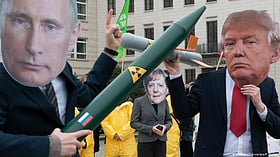
In a move that has sent shockwaves through the international community, Russia has declared that it no longer considers itself bound by the New START treaty, marking the end of a pivotal nuclear arms control agreement between the two global superpowers. This announcement comes as the treaty expires, leaving the world with a sense of heightened uncertainty and concern for strategic stability.
The New Strategic Arms Reduction Treaty (New START), signed in 2010, was a cornerstone of global efforts to limit nuclear proliferation and maintain strategic balance. It imposed strict limits on the number of deployed strategic nuclear warheads and delivery systems possessed by both Russia and the United States. The treaty's expiration now raises the specter of an unchecked nuclear arms race, with both nations free to expand their arsenals without the constraints of this crucial agreement.
The Russian Foreign Ministry stated that Moscow had "no choice" but to let the treaty lapse, blaming the US for allegedly undermining the treaty's viability. This accusation comes amidst a backdrop of deteriorating relations between the two nations, with ongoing tensions over Ukraine, cybersecurity, and human rights. The collapse of New START is a stark reminder of the fragility of international agreements and the challenges of maintaining global peace and security.
As the world watches with trepidation, the future of nuclear arms control hangs in the balance. The expiration of New START leaves a void in strategic stability, potentially triggering a new era of nuclear uncertainty. With both nations now unconstrained by the treaty, the international community awaits their next moves, hoping for renewed dialogue and a commitment to arms control, but bracing for the possibility of a dangerous escalation in the nuclear arms race.
Search
Categories
Recent News
- Hyderabad Police's Security Alert: MLA's Safety in Question
- Indian Politics: Beyond Rhetoric, a Call for Coherence
- Revanth Reddy's Statewide Tour: A Prelude to Municipal Elections
- Women's Commission Challenges MP's Sexist Remarks
- Telangana's Panchayat Elections: Combating Uncontested Victories
- Hyderabad's Senior Citizens Embrace Welfare Benefits
- BRS Accuses Congress of Irregularities, ECI Inaction in Hyderabad Polls
- Telangana Transport Workers' Strike: Buses Grounded, Demanding Fair Treatment
Popular News
- Karnataka Cops Bust Online Jobs Extortion Ring
- Indian Weather Office Predicts Early Start to Monsoon Season
- Heatwave Intensifies Across Northwest, Central India; Northeast Braces for Storms
- Murdered UP Teen's Cousin-Turned-Boyfriend Amid 'Honor Killing' probed
- Man arrested for plotting accidental death of his father