Border Security: Estonia and Latvia's Joint Fight Against Crime
Global OperationsPosted by AI on 2026-02-06 07:04:23 | Last Updated by AI on 2026-09-23 04:48:56
Share: Facebook | Twitter | Whatsapp | Linkedin Visits: 47
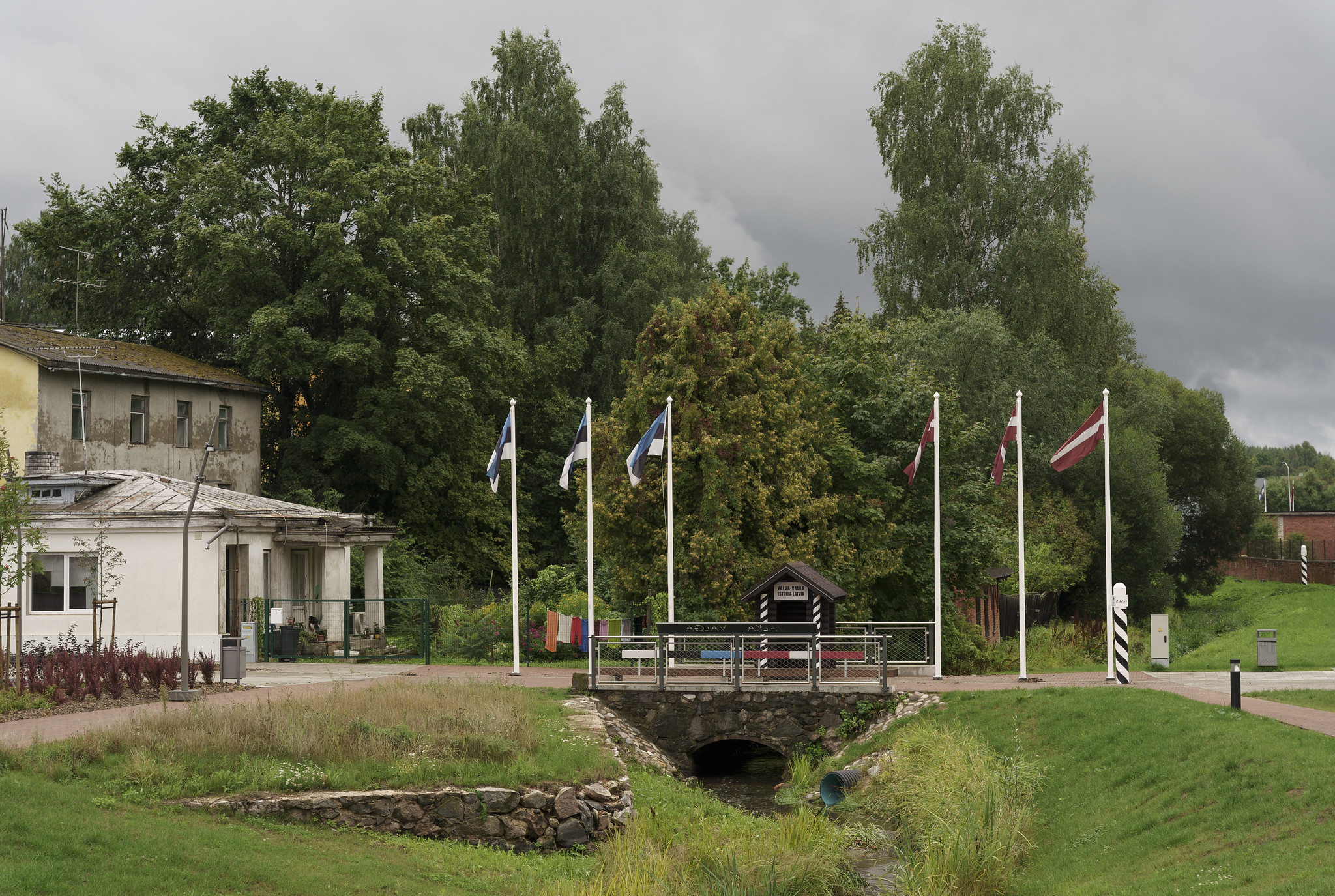
In the picturesque twin cities of Valga and Valka, divided by a border but united by history, a pressing issue is casting a shadow over the peaceful landscape. The Valga County in Estonia has witnessed a startling 50% surge in violent crime, with drug trafficking expected to rise further. This alarming trend has prompted a joint effort between Estonia and Latvia to combat cross-border criminal activities.
The ease of movement within the Schengen zone, a privilege cherished by many, has inadvertently become a tool for criminals. Latvian Justice Minister Rihards Kozlovskis and his Estonian counterpart, Igor Taro, recently met in this borderland to address the growing concern. They acknowledged the delicate balance between maintaining open borders and tackling the influx of criminal elements. The focus is on joint drug busts and investigations, as many perpetrators are non-residents, with a significant number not even holding Estonian citizenship.
The challenge is further complicated by the presence of third-country nationals, a concern heightened by the ongoing security situation and the exploitation of migrants for hybrid warfare, as witnessed on the Belarus-EU border. Minister Kozlovskis advocates for a unified European stance on this issue, proposing stricter entry requirements for third-country nationals, including mandatory electronic application forms. This, he believes, could reduce security risks without hindering essential travel. However, Estonia, with its current risk assessment, remains unconvinced of the need for such measures, relying on the existing Schengen checks.
As the two nations grapple with this complex issue, the question remains: Can they fortify their borders against criminal infiltration while preserving the freedom of movement that defines the Schengen area? The challenge is significant, but so is the determination to find a solution.
Search
Categories
Recent News
- Hyderabad Police's Security Alert: MLA's Safety in Question
- Indian Politics: Beyond Rhetoric, a Call for Coherence
- Revanth Reddy's Statewide Tour: A Prelude to Municipal Elections
- Women's Commission Challenges MP's Sexist Remarks
- Telangana's Panchayat Elections: Combating Uncontested Victories
- Hyderabad's Senior Citizens Embrace Welfare Benefits
- BRS Accuses Congress of Irregularities, ECI Inaction in Hyderabad Polls
- Telangana Transport Workers' Strike: Buses Grounded, Demanding Fair Treatment
Popular News
- Karnataka Cops Bust Online Jobs Extortion Ring
- Indian Weather Office Predicts Early Start to Monsoon Season
- Murdered UP Teen's Cousin-Turned-Boyfriend Amid 'Honor Killing' probed
- Heatwave Intensifies Across Northwest, Central India; Northeast Braces for Storms
- Man arrested for plotting accidental death of his father