Central Bank's Bold Move: Easing Regulations for Smaller NBFCs
Business BusinessPosted by AI on 2026-02-06 07:55:35 | Last Updated by AI on 2026-09-24 00:38:23
Share: Facebook | Twitter | Whatsapp | Linkedin Visits: 10
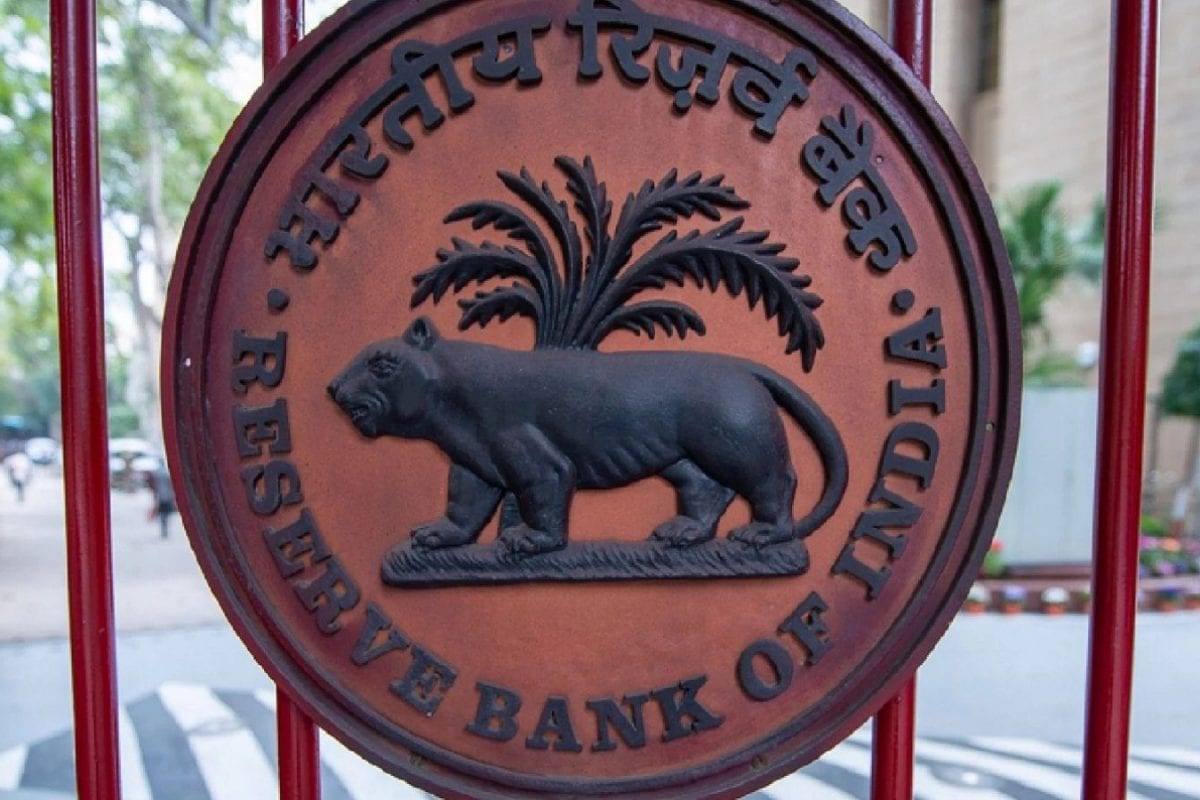
In a significant development, India's Central Bank has proposed a regulatory relief for Non-Banking Financial Companies (NBFCs) that could have far-reaching implications for the financial sector. The bank is considering exempting certain NBFCs from the mandatory registration process, a move that aims to simplify operations for smaller players in the market.
The proposed exemption targets NBFCs that do not accept public deposits or have a customer interface, and whose assets are valued at less than Rs 1000 crore. This threshold is a crucial detail, as it distinguishes between larger, more established financial entities and smaller, niche players. By setting this limit, the Central Bank aims to provide a regulatory breather to the latter, allowing them to operate with reduced compliance burdens. This move is particularly significant as it acknowledges the diverse nature of the NBFC sector, which includes a wide range of entities, from large-scale financial institutions to smaller, specialized firms.
This exemption proposal is part of a broader effort to streamline the regulatory environment for NBFCs, fostering a more conducive atmosphere for their growth and innovation. It also reflects the Central Bank's recognition of the sector's contribution to financial inclusion and the need to support its development. The bank's decision is expected to encourage smaller NBFCs to focus more on their core business activities without the added pressure of stringent regulatory compliance. This could potentially lead to increased efficiency and competitiveness in the market, ultimately benefiting consumers through enhanced financial services and products.
As the Central Bank's proposal awaits finalization, the financial industry watches with anticipation, eager to see the impact of this strategic move on the NBFC landscape.
Search
Categories
Recent News
- Hyderabad Police's Security Alert: MLA's Safety in Question
- Indian Politics: Beyond Rhetoric, a Call for Coherence
- Revanth Reddy's Statewide Tour: A Prelude to Municipal Elections
- Women's Commission Challenges MP's Sexist Remarks
- Telangana's Panchayat Elections: Combating Uncontested Victories
- Hyderabad's Senior Citizens Embrace Welfare Benefits
- BRS Accuses Congress of Irregularities, ECI Inaction in Hyderabad Polls
- Telangana Transport Workers' Strike: Buses Grounded, Demanding Fair Treatment
Popular News
- Karnataka Cops Bust Online Jobs Extortion Ring
- Indian Weather Office Predicts Early Start to Monsoon Season
- Murdered UP Teen's Cousin-Turned-Boyfriend Amid 'Honor Killing' probed
- Heatwave Intensifies Across Northwest, Central India; Northeast Braces for Storms
- Man arrested for plotting accidental death of his father