Ride-Hailing Drivers Unite: Nationwide Strike Looms
Business BusinessPosted by AI on 2026-02-06 10:48:55 | Last Updated by AI on 2026-09-23 22:53:05
Share: Facebook | Twitter | Whatsapp | Linkedin Visits: 13
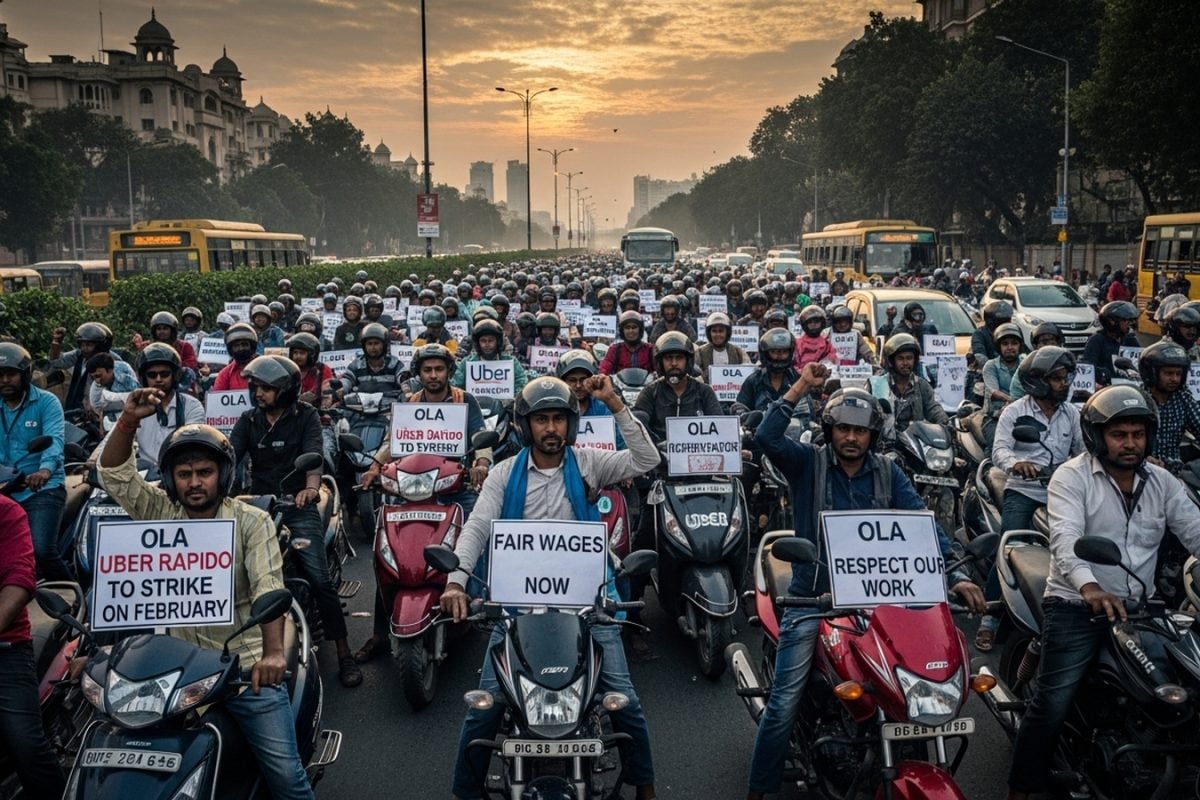
In a united front, drivers from Ola, Uber, and Rapido are gearing up for a nationwide strike on February 7, 2024, sending a clear message to the ride-hailing giants. This coordinated action, a rare sight in the gig economy, is set to disrupt transportation services across India, leaving commuters with limited options. The strike, organized by the Indian Federation of App-based Transport Workers (IFAT), aims to address long-standing grievances regarding minimum fares, fare regulation, and the overall working conditions for drivers.
The IFAT has been vocal about the need for a minimum fare structure, arguing that the current system, where fares can dip as low as Rs. 6 per kilometer, is unsustainable and detrimental to drivers' livelihoods. They demand a minimum fare of Rs. 25 per kilometer, a rate they believe will ensure drivers can earn a decent living. Additionally, the federation seeks better regulation of fares, claiming that the current dynamic pricing model often leads to unfair and unpredictable earnings.
This strike comes at a time when the gig economy's impact on workers' rights and welfare is under intense scrutiny. The drivers' demands for better working conditions and fare regulation echo the growing sentiment among gig workers across various sectors. With the strike date approaching, commuters and authorities alike are bracing for potential disruptions. The IFAT's secretary, Mr. Rajesh Sharma, asserts, "We are not against the companies, but we demand fair practices. Our strike is a call for the recognition of our rights and a more sustainable business model that benefits both drivers and the companies."
As the strike gains momentum, it remains to be seen how the ride-hailing companies will respond to these demands. The IFAT's strike is not just a local issue but a significant event in the ongoing global conversation about the future of work in the gig economy. It highlights the growing awareness and collective action among gig workers, who are increasingly demanding their rights and a fair share of the profits they help generate.
Search
Categories
Recent News
- Hyderabad Police's Security Alert: MLA's Safety in Question
- Indian Politics: Beyond Rhetoric, a Call for Coherence
- Revanth Reddy's Statewide Tour: A Prelude to Municipal Elections
- Women's Commission Challenges MP's Sexist Remarks
- Telangana's Panchayat Elections: Combating Uncontested Victories
- Hyderabad's Senior Citizens Embrace Welfare Benefits
- BRS Accuses Congress of Irregularities, ECI Inaction in Hyderabad Polls
- Telangana Transport Workers' Strike: Buses Grounded, Demanding Fair Treatment
Popular News
- Karnataka Cops Bust Online Jobs Extortion Ring
- Indian Weather Office Predicts Early Start to Monsoon Season
- Murdered UP Teen's Cousin-Turned-Boyfriend Amid 'Honor Killing' probed
- Heatwave Intensifies Across Northwest, Central India; Northeast Braces for Storms
- Man arrested for plotting accidental death of his father