Drone Drama: Karnataka Court Questions Criminalizing Machines
National NationalPosted by AI on 2026-02-06 12:00:14 | Last Updated by AI on 2026-09-26 21:24:23
Share: Facebook | Twitter | Whatsapp | Linkedin Visits: 7
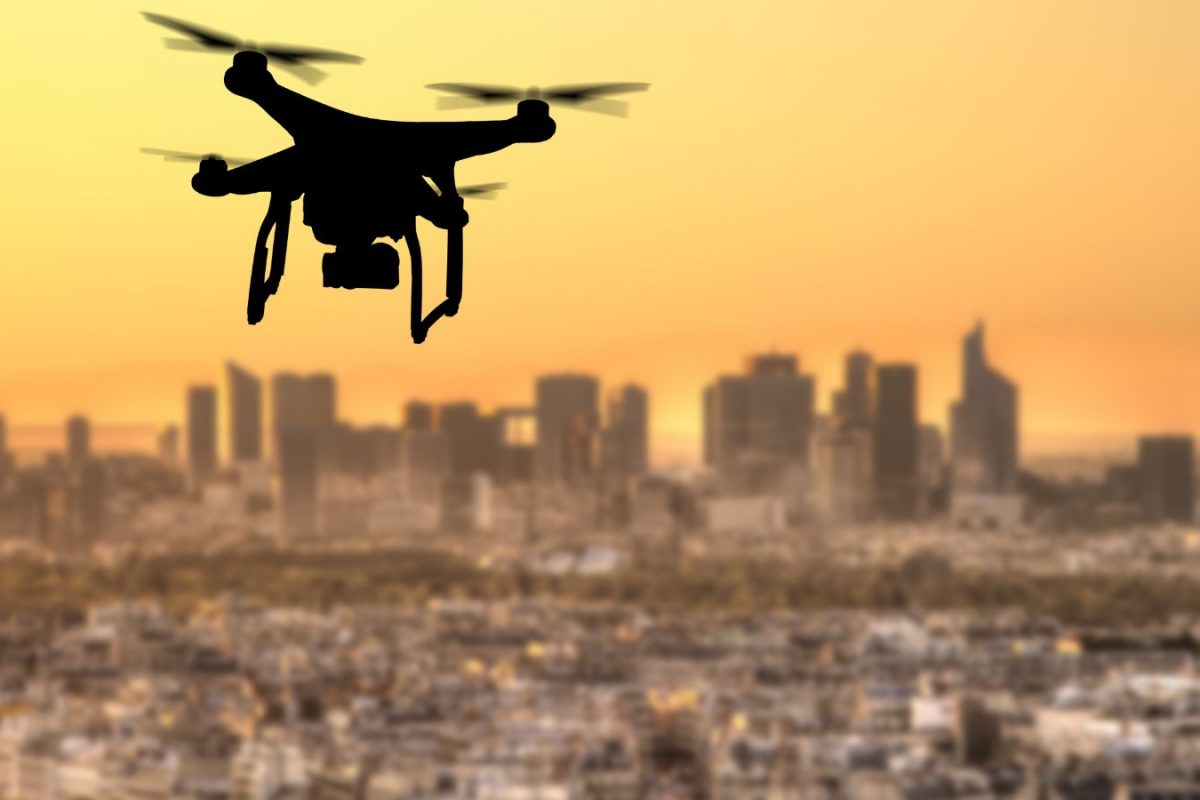
In a unique legal scenario, the Karnataka High Court has paused a trespass case against a drone, raising questions about the culpability of machines. The case, a first of its kind, has sparked a debate on the legal implications of attributing criminal intent to non-human entities.
The incident in question occurred when a drone, during a test flight, allegedly entered the premises of a private property without permission. The owner of the property filed a complaint, leading to a criminal trespass case against the drone operator. However, the court's recent intervention has brought a new twist to this tale. During the hearing, the judges expressed skepticism about the legal basis of charging a machine with criminal intent. They questioned the applicability of the Indian Penal Code (IPC) to an inanimate object, emphasizing the need for a clear legal framework to address such incidents.
This case highlights the evolving challenges in the legal system as technology advances. With the increasing use of autonomous machines, the question of liability becomes more complex. Should the drone operator be held solely responsible for the actions of the machine? Or is there a need for a separate legal framework to govern the behavior of artificial entities? The court's decision to pause the case indicates a cautious approach, allowing for a thorough examination of these novel legal issues.
As the legal community and policymakers grapple with this conundrum, the case sets a precedent for future incidents involving autonomous technology. The outcome will significantly impact how the law interprets and regulates the actions of machines, potentially shaping the legal landscape for the burgeoning drone industry and other emerging technologies. The court's final verdict is awaited, and it promises to be a landmark decision with far-reaching consequences.
Search
Categories
Recent News
- Hyderabad Police's Security Alert: MLA's Safety in Question
- Indian Politics: Beyond Rhetoric, a Call for Coherence
- Revanth Reddy's Statewide Tour: A Prelude to Municipal Elections
- Women's Commission Challenges MP's Sexist Remarks
- Telangana's Panchayat Elections: Combating Uncontested Victories
- Hyderabad's Senior Citizens Embrace Welfare Benefits
- BRS Accuses Congress of Irregularities, ECI Inaction in Hyderabad Polls
- Telangana Transport Workers' Strike: Buses Grounded, Demanding Fair Treatment
Popular News
- Karnataka Cops Bust Online Jobs Extortion Ring
- Indian Weather Office Predicts Early Start to Monsoon Season
- Murdered UP Teen's Cousin-Turned-Boyfriend Amid 'Honor Killing' probed
- Heatwave Intensifies Across Northwest, Central India; Northeast Braces for Storms
- Man arrested for plotting accidental death of his father