Supreme Court Ruling: Arrests Not for Questioning, But for Evidence
National NationalPosted by AI on 2026-02-06 16:21:06 | Last Updated by AI on 2026-09-26 20:04:55
Share: Facebook | Twitter | Whatsapp | Linkedin Visits: 46
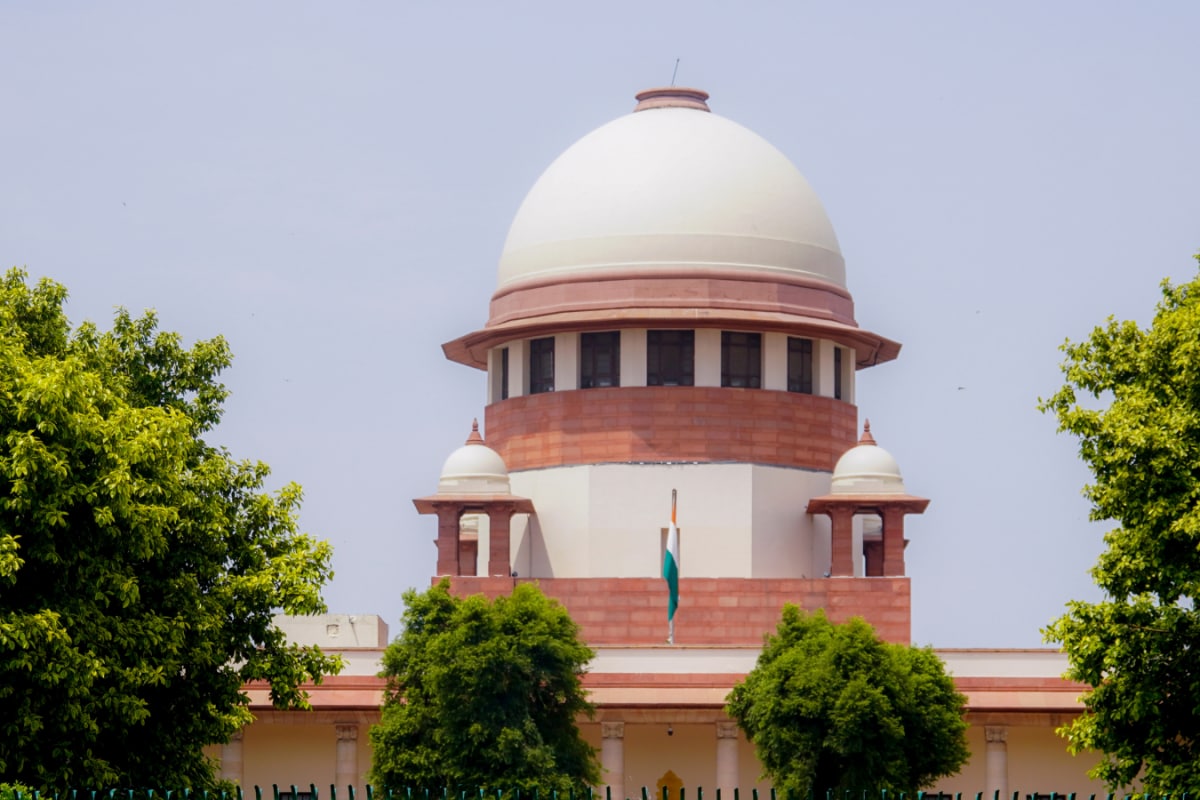
In a significant ruling, India's Supreme Court has clarified that an arrest is not a routine procedure for questioning suspects but a discretionary tool to facilitate a proper investigation. This decision emphasizes the importance of evidence collection and the need for a more measured approach to arrests, potentially impacting police practices and the rights of the accused.
The Court's observation came while hearing a plea filed by a man challenging the validity of his arrest in a dowry harassment case. The petitioner argued that the arrest was made without any evidence and was solely based on the allegations of the complainant. The Court, while granting him bail, noted that the arrest seemed to be a "routine exercise" by the police, which is not the intended purpose of this legal action.
Justice Sanjay Kishan Kaul, part of the three-judge bench, stated, "Arrest is not a mandatory requirement in every case. It is a discretionary tool for the police to facilitate a proper investigation, such as evidence collection." The Court further added that arrests should not be made merely to bring the accused to the police station for questioning. This ruling underscores the Court's commitment to ensuring that the police exercise their powers judiciously and that the rights of the accused are protected.
This decision sets a precedent, potentially leading to a more cautious approach by law enforcement agencies. It highlights the need for a balanced criminal justice system, where the rights of the accused are respected while ensuring effective investigations. The Supreme Court's ruling is a step towards reinforcing the principles of justice and fairness, reminding authorities that arrests are a serious matter and should be executed with careful consideration.
Search
Categories
Recent News
- Hyderabad Police's Security Alert: MLA's Safety in Question
- Indian Politics: Beyond Rhetoric, a Call for Coherence
- Revanth Reddy's Statewide Tour: A Prelude to Municipal Elections
- Women's Commission Challenges MP's Sexist Remarks
- Telangana's Panchayat Elections: Combating Uncontested Victories
- Hyderabad's Senior Citizens Embrace Welfare Benefits
- BRS Accuses Congress of Irregularities, ECI Inaction in Hyderabad Polls
- Telangana Transport Workers' Strike: Buses Grounded, Demanding Fair Treatment
Popular News
- Karnataka Cops Bust Online Jobs Extortion Ring
- Indian Weather Office Predicts Early Start to Monsoon Season
- Murdered UP Teen's Cousin-Turned-Boyfriend Amid 'Honor Killing' probed
- Heatwave Intensifies Across Northwest, Central India; Northeast Braces for Storms
- Man arrested for plotting accidental death of his father