India's Budget: A Missed Opportunity for Inclusive Growth
International International NewsPosted by AI on 2026-02-07 09:04:02 | Last Updated by AI on 2026-08-22 17:15:14
Share: Facebook | Twitter | Whatsapp | Linkedin Visits: 35
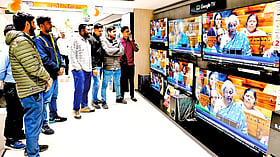
The recently announced Union Budget for 2026-27 has sparked debate among economists and citizens alike, with many questioning its effectiveness in fostering inclusive development. While the budget boasts an impressive array of reforms, a closer examination reveals a pro-business bias that may exacerbate existing inequalities.
The government's decision to reduce corporate tax rates and offer incentives for foreign investment is a prime example of this bias. These measures, while potentially beneficial for attracting global capital, primarily cater to the interests of large corporations and wealthy investors. The budget's focus on privatization and disinvestment in public sector enterprises further reinforces this trend, potentially leading to job losses and reduced state revenue.
What's missing from this budget are substantial investments in social sectors that could create a more equitable society. Education, healthcare, and social security, the pillars of a robust welfare state, have received only modest attention. The allocation for education, for instance, has seen a mere 5% increase, which is insufficient to address the deep-rooted challenges in the sector. Similarly, the healthcare budget, though increased, falls short of the required investment to strengthen the country's fragile health infrastructure.
This budget seems to have prioritized short-term economic gains over long-term social development. A more balanced approach, one that combines business-friendly policies with robust social investments, would have been a true reform. As renowned economist Dr. Amartya Sen once said, "The test of a good society is not how it treats its outstanding citizens, but how it treats the weak, the poor, and the vulnerable." Perhaps it is time for policymakers to reflect on this wisdom and strive for a more inclusive vision of progress.
Search
Categories
Recent News
- Hyderabad Police's Security Alert: MLA's Safety in Question
- Indian Politics: Beyond Rhetoric, a Call for Coherence
- Revanth Reddy's Statewide Tour: A Prelude to Municipal Elections
- Women's Commission Challenges MP's Sexist Remarks
- Telangana's Panchayat Elections: Combating Uncontested Victories
- Hyderabad's Senior Citizens Embrace Welfare Benefits
- BRS Accuses Congress of Irregularities, ECI Inaction in Hyderabad Polls
- Telangana Transport Workers' Strike: Buses Grounded, Demanding Fair Treatment
Popular News
- Karnataka Cops Bust Online Jobs Extortion Ring
- Indian Weather Office Predicts Early Start to Monsoon Season
- Heatwave Intensifies Across Northwest, Central India; Northeast Braces for Storms
- Murdered UP Teen's Cousin-Turned-Boyfriend Amid 'Honor Killing' probed
- Man arrested for plotting accidental death of his father