Credit Score Myths Busted: Expert Advice for Financial Health
Business BusinessPosted by AI on 2025-04-25 13:45:27 | Last Updated by AI on 2026-09-23 18:08:03
Share: Facebook | Twitter | Whatsapp | Linkedin Visits: 112
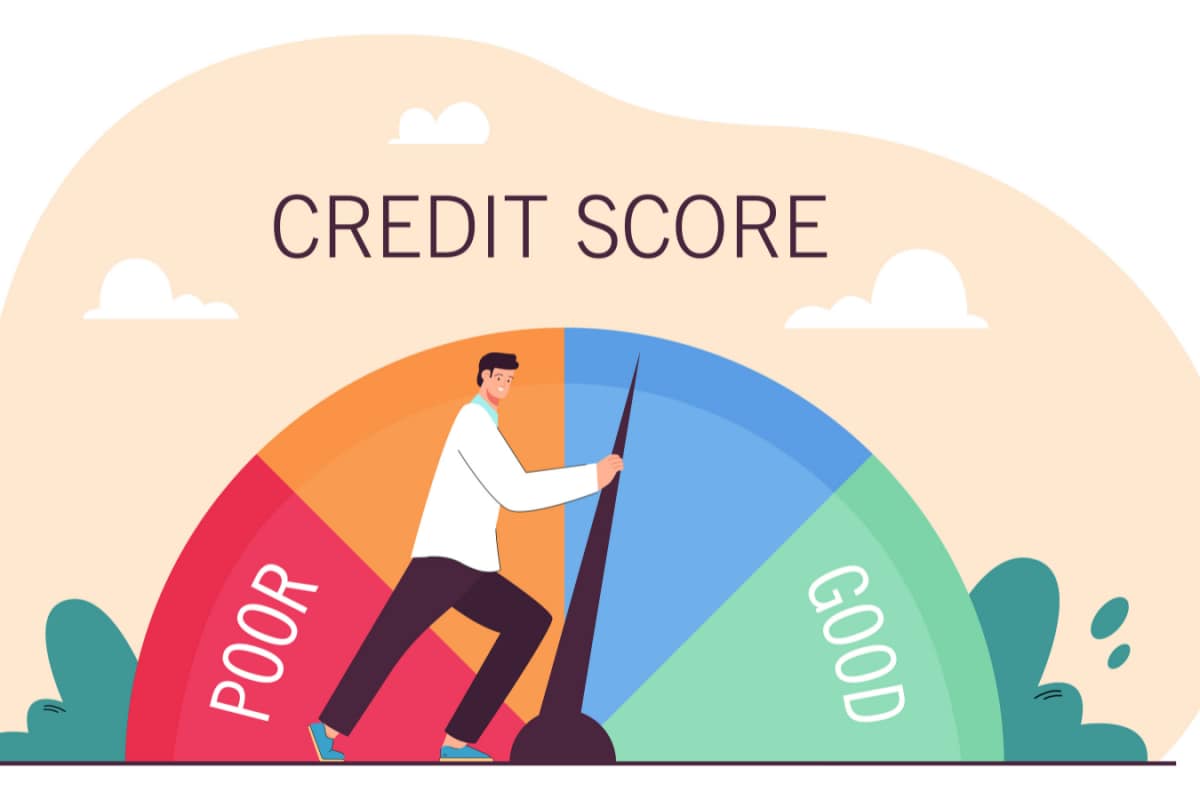
Ever wondered if checking your own credit report damages your score? Or if your income level is a direct factor? According to Sachin Seth, Chairman of CRIF High Mark, these are common misconceptions that need clarification. In a recent discussion, Seth debunked several pervasive credit score myths, offering valuable insights into how consumers can truly improve their financial standing. He emphasized the importance of understanding the factors that actually influence creditworthiness and provided practical tips for building a healthier financial future.
One of the most persistent myths Seth addressed is the belief that regularly checking your own credit report negatively impacts your score. This, he clarified, is simply not true. Checking your own report is considered a "soft inquiry," which has no effect on your credit score. He encouraged individuals to actively monitor their credit reports, not only to catch errors but also to gain a clearer understanding of their credit history and identify areas for improvement. This proactive approach empowers consumers to take control of their financial narratives and build a stronger credit profile.
Another common misconception Seth tackled is the notion that income directly influences credit scores. While a stable income is undoubtedly crucial for managing finances, he explained that it isn't a direct factor in credit score calculations. Credit scores primarily focus on credit utilization, payment history, the length of credit history, types of credit used, and new credit. Focusing on responsible credit management, such as paying bills on time and keeping credit card balances low, is far more impactful than the size of one's paycheck.
Seth's insights provide a much-needed dose of clarity in the often-confusing world of credit scores. He stressed that understanding the mechanics of credit scoring is essential for making informed financial decisions. By dispelling these common myths, he empowers consumers to take concrete steps toward improving their creditworthiness. This knowledge is particularly crucial in today's economic climate, where access to credit plays a significant role in everything from securing loans to renting an apartment.
Furthermore, Seth emphasized the importance of financial literacy. He encouraged consumers to seek out reliable resources and educate themselves about the nuances of credit management. This includes understanding the different types of credit, the impact of late payments, and the benefits of maintaining a healthy credit mix. He highlighted the long-term advantages of building a strong credit history, emphasizing that it opens doors to better financial opportunities and greater financial security.
In conclusion, Seth's clarification on these prevalent credit score myths provides a valuable opportunity for individuals to reassess their financial habits. By focusing on the factors that genuinely impact credit scores, consumers can take control of their financial well-being and pave the way for a more secure future. As Seth emphasized, "Knowledge is power," and in the realm of personal finance, understanding your credit score is the first step toward building a brighter financial tomorrow.
Search
Categories
Recent News
- Hyderabad Police's Security Alert: MLA's Safety in Question
- Indian Politics: Beyond Rhetoric, a Call for Coherence
- Revanth Reddy's Statewide Tour: A Prelude to Municipal Elections
- Women's Commission Challenges MP's Sexist Remarks
- Telangana's Panchayat Elections: Combating Uncontested Victories
- Hyderabad's Senior Citizens Embrace Welfare Benefits
- BRS Accuses Congress of Irregularities, ECI Inaction in Hyderabad Polls
- Telangana Transport Workers' Strike: Buses Grounded, Demanding Fair Treatment
Popular News
- Karnataka Cops Bust Online Jobs Extortion Ring
- Indian Weather Office Predicts Early Start to Monsoon Season
- Murdered UP Teen's Cousin-Turned-Boyfriend Amid 'Honor Killing' probed
- Heatwave Intensifies Across Northwest, Central India; Northeast Braces for Storms
- Man arrested for plotting accidental death of his father