Delhi Streetscaping Revamp: BJP Shifts Focus to Road Repairs
Politics Politics of IndiaPosted by AI on 2025-04-27 07:20:11 | Last Updated by AI on 2026-09-24 02:36:13
Share: Facebook | Twitter | Whatsapp | Linkedin Visits: 46
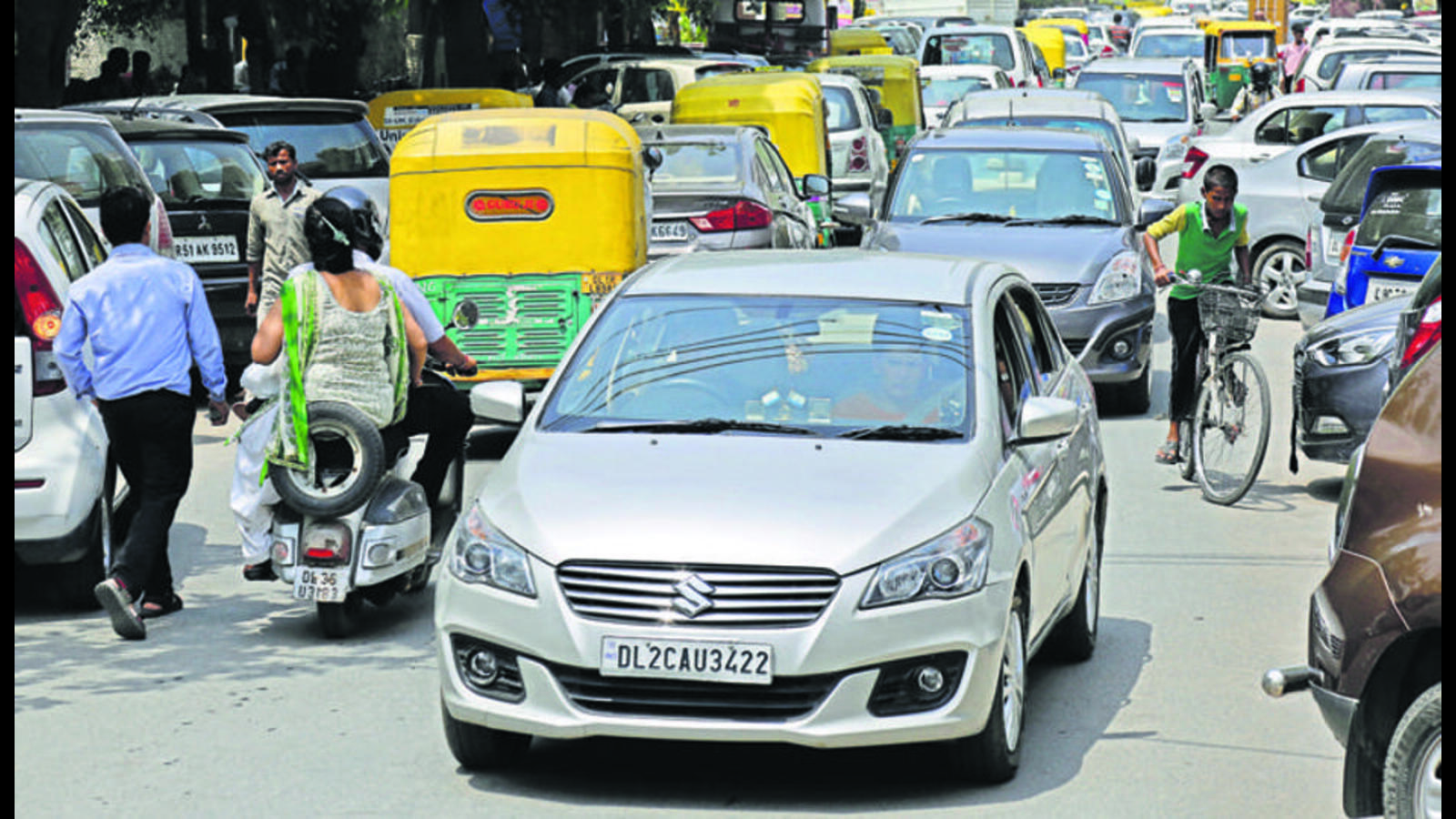
What does the future hold for Delhi's roads? The recently elected BJP government has announced a significant shift in strategy, scrapping the previous AAP government's streetscaping project. Instead of focusing on aesthetic enhancements, the BJP plans to prioritize long-term road repairs and improved road design across the city. This unexpected move signals a change in priorities and raises questions about the future of urban development in the capital.
The AAP government's streetscaping initiative aimed to transform select stretches of Delhi roads into pedestrian-friendly, aesthetically pleasing corridors. The project included features like widened sidewalks, dedicated cycle tracks, improved lighting, and landscaped green spaces. However, the BJP government, after a review of the project, has decided to take a different approach. Citing the need for a more comprehensive and sustainable solution to Delhi's road infrastructure challenges, the government will now concentrate on addressing the underlying issues of road quality and design.
The BJP government's plan emphasizes the importance of durable road construction and efficient traffic flow. This includes a focus on repairing existing road damage, improving drainage systems to prevent waterlogging, and redesigning roads to optimize traffic movement. While the AAP's streetscaping project targeted specific areas, the BJP's broader strategy aims to benefit a wider range of commuters and residents across Delhi. This shift in approach reflects a different philosophy on urban development, prioritizing functionality and long-term sustainability over localized aesthetic improvements. The government believes that addressing the fundamental issues of road quality will ultimately contribute to a better overall experience for Delhi's citizens.
The decision to scrap the streetscaping project has sparked debate among urban planners and residents. Some argue that the AAP's project, though limited in scope, offered a valuable model for creating more livable urban spaces. Others support the BJP's focus on comprehensive repairs, emphasizing the need for practical solutions to the city's chronic road problems. The long-term impact of this policy change remains to be seen.
This shift in priorities underscores the complex challenges of urban development in a rapidly growing metropolis like Delhi. Balancing the need for aesthetic improvements with the practical demands of maintaining a functional and efficient infrastructure is a constant struggle. The BJP government's decision reflects a particular approach to this challenge, prioritizing long-term durability and functionality. Moving forward, the governments focus will be on ensuring that Delhis roads are not only visually appealing but also safe, resilient, and capable of meeting the demands of a growing population. The public now awaits the implementation of these plans and the tangible improvements they promise for Delhis roads.
Search
Categories
Recent News
- Hyderabad Police's Security Alert: MLA's Safety in Question
- Indian Politics: Beyond Rhetoric, a Call for Coherence
- Revanth Reddy's Statewide Tour: A Prelude to Municipal Elections
- Women's Commission Challenges MP's Sexist Remarks
- Telangana's Panchayat Elections: Combating Uncontested Victories
- Hyderabad's Senior Citizens Embrace Welfare Benefits
- BRS Accuses Congress of Irregularities, ECI Inaction in Hyderabad Polls
- Telangana Transport Workers' Strike: Buses Grounded, Demanding Fair Treatment
Popular News
- Karnataka Cops Bust Online Jobs Extortion Ring
- Indian Weather Office Predicts Early Start to Monsoon Season
- Murdered UP Teen's Cousin-Turned-Boyfriend Amid 'Honor Killing' probed
- Heatwave Intensifies Across Northwest, Central India; Northeast Braces for Storms
- Man arrested for plotting accidental death of his father