Pakistan's Military Leadership and the 'Holy War' Narrative
International International NewsPosted by AI on 2026-02-08 05:28:31 | Last Updated by AI on 2026-08-22 17:21:41
Share: Facebook | Twitter | Whatsapp | Linkedin Visits: 20
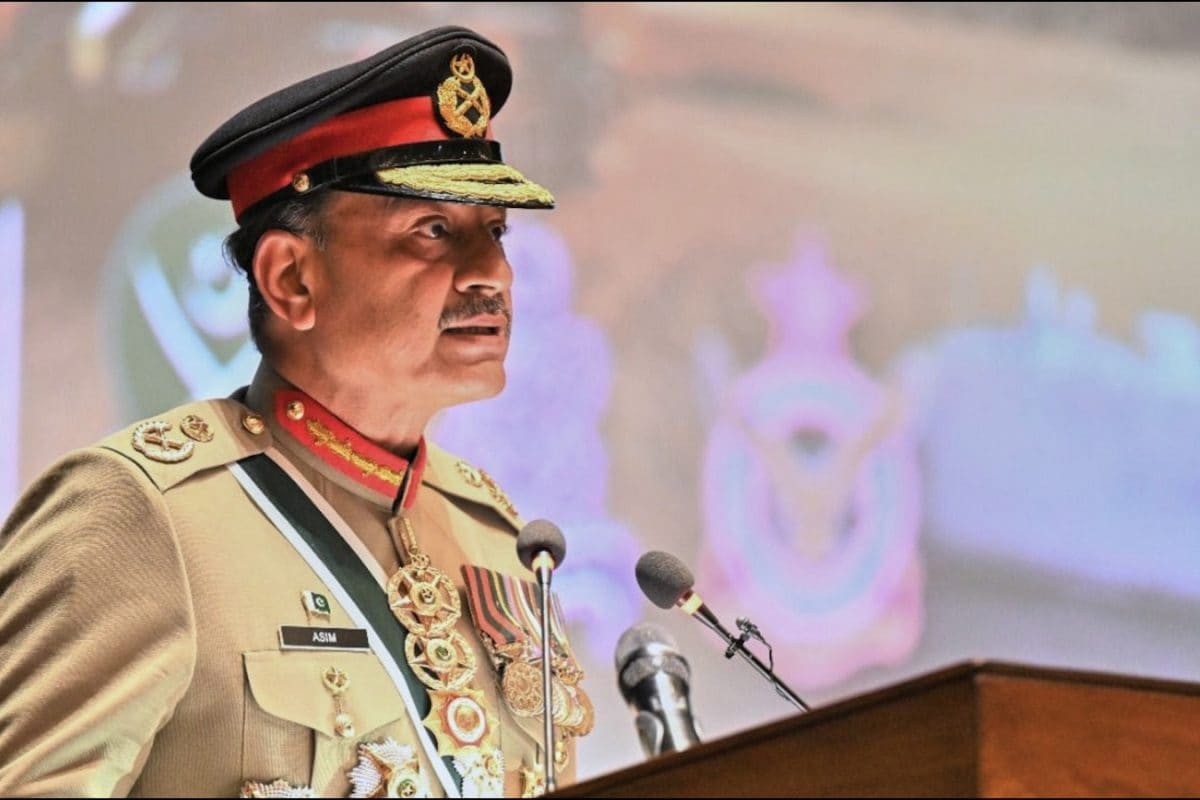
In a recent revelation, a Jaish commander has shed light on the aftermath of Operation Sindoor, claiming that Pakistan's military leadership referred to the conflict with India as a religious crusade. This statement has raised concerns about the potential implications of such rhetoric and its impact on regional stability.
The commander, speaking on the condition of anonymity, stated that following the operation, the military leadership's narrative took a concerning turn. They described the situation as "Ghazwa-e-Hind," an Islamic term often associated with a holy war against India. This rhetoric, according to the commander, was used to portray the confrontation as a religious duty, rallying support and justifying the conflict. The term "Ghazwa-e-Hind" has deep historical and religious connotations, often associated with prophecies of a Muslim conquest of India. By invoking such language, the military leadership may have aimed to tap into these beliefs, potentially inflaming religious sentiments.
This revelation raises questions about the role of religious narratives in military strategies and their potential consequences. While it is not uncommon for military leaders to use motivational rhetoric, the use of religious terminology in this context could have far-reaching implications. It may contribute to an escalation of tensions between the two nations, as well as within their respective societies, where religious sentiments are deeply ingrained. Furthermore, it could influence the perception of the conflict, shifting the focus from geopolitical or strategic concerns to a religious battle.
As the region grapples with ongoing tensions, the revelation of this narrative prompts a critical examination of the role of language and messaging in military affairs. It underscores the need for responsible leadership and the importance of maintaining a balanced approach to ensure peace and stability in an already volatile region.
Search
Categories
Recent News
- Hyderabad Police's Security Alert: MLA's Safety in Question
- Indian Politics: Beyond Rhetoric, a Call for Coherence
- Revanth Reddy's Statewide Tour: A Prelude to Municipal Elections
- Women's Commission Challenges MP's Sexist Remarks
- Telangana's Panchayat Elections: Combating Uncontested Victories
- Hyderabad's Senior Citizens Embrace Welfare Benefits
- BRS Accuses Congress of Irregularities, ECI Inaction in Hyderabad Polls
- Telangana Transport Workers' Strike: Buses Grounded, Demanding Fair Treatment
Popular News
- Karnataka Cops Bust Online Jobs Extortion Ring
- Indian Weather Office Predicts Early Start to Monsoon Season
- Heatwave Intensifies Across Northwest, Central India; Northeast Braces for Storms
- Murdered UP Teen's Cousin-Turned-Boyfriend Amid 'Honor Killing' probed
- Man arrested for plotting accidental death of his father