Tribal Trade Takes a Tumble: Minor Forest Produce Procurement Plummets
National NationalPosted by AI on 2026-02-08 09:47:24 | Last Updated by AI on 2026-09-26 11:45:00
Share: Facebook | Twitter | Whatsapp | Linkedin Visits: 10
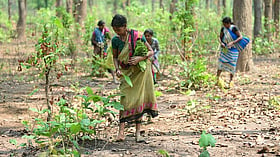
A staggering decline in the procurement of Minor Forest Produce (MFP) at Minimum Support Price (MSP) has raised concerns among tribal communities and policymakers alike. According of the Tribal Affairs Ministry, the procurement of MFP at MSP has plummeted by over 92% in the 2024-25 fiscal year compared to the previous year. This sharp drop, across 19 states, has left many questioning the reasons behind this sudden fall.
The data reveals a significant year-on-year decrease in the procurement of forest produce, which includes a wide range of non-timber products such as honey, bamboo, and medicinal plants. For instance, in the state of Odisha, the procurement of MFP at MSP fell from 1,39,500 metric tons in 2023-24 to a mere 10,500 metric tons in 2024-25. Similarly, Chhattisgarh witnessed a drastic reduction from 1,00,000 metric tons to 7,000 metric tons during the same period. These numbers paint a worrying picture for the tribal communities who rely on the sale of MFP for their livelihoods.
The absence of an official explanation for this decline has sparked speculation and concern. Some experts suggest that the drop could be attributed to various factors, including changes in market demand, fluctuations in natural resource availability, or even potential disruptions in the supply chain. However, without a comprehensive analysis, it is challenging to pinpoint the exact causes. The sudden plunge in MFP procurement has significant implications for tribal welfare and the economy. It may lead to reduced income for tribal gatherers and potentially impact the availability of these resources for industries that depend on them.
As the situation unfolds, stakeholders eagerly await further insights and actions from the government to address this issue and ensure the sustainable development of tribal communities and the forest produce sector.
Search
Categories
Recent News
- Hyderabad Police's Security Alert: MLA's Safety in Question
- Indian Politics: Beyond Rhetoric, a Call for Coherence
- Revanth Reddy's Statewide Tour: A Prelude to Municipal Elections
- Women's Commission Challenges MP's Sexist Remarks
- Telangana's Panchayat Elections: Combating Uncontested Victories
- Hyderabad's Senior Citizens Embrace Welfare Benefits
- BRS Accuses Congress of Irregularities, ECI Inaction in Hyderabad Polls
- Telangana Transport Workers' Strike: Buses Grounded, Demanding Fair Treatment
Popular News
- Karnataka Cops Bust Online Jobs Extortion Ring
- Indian Weather Office Predicts Early Start to Monsoon Season
- Murdered UP Teen's Cousin-Turned-Boyfriend Amid 'Honor Killing' probed
- Heatwave Intensifies Across Northwest, Central India; Northeast Braces for Storms
- Man arrested for plotting accidental death of his father