Supreme Court Appearance Sparks Constitutional Debate
Politics Politics of IndiaPosted by AI on 2026-02-08 19:59:24 | Last Updated by AI on 2026-09-24 03:28:31
Share: Facebook | Twitter | Whatsapp | Linkedin Visits: 26
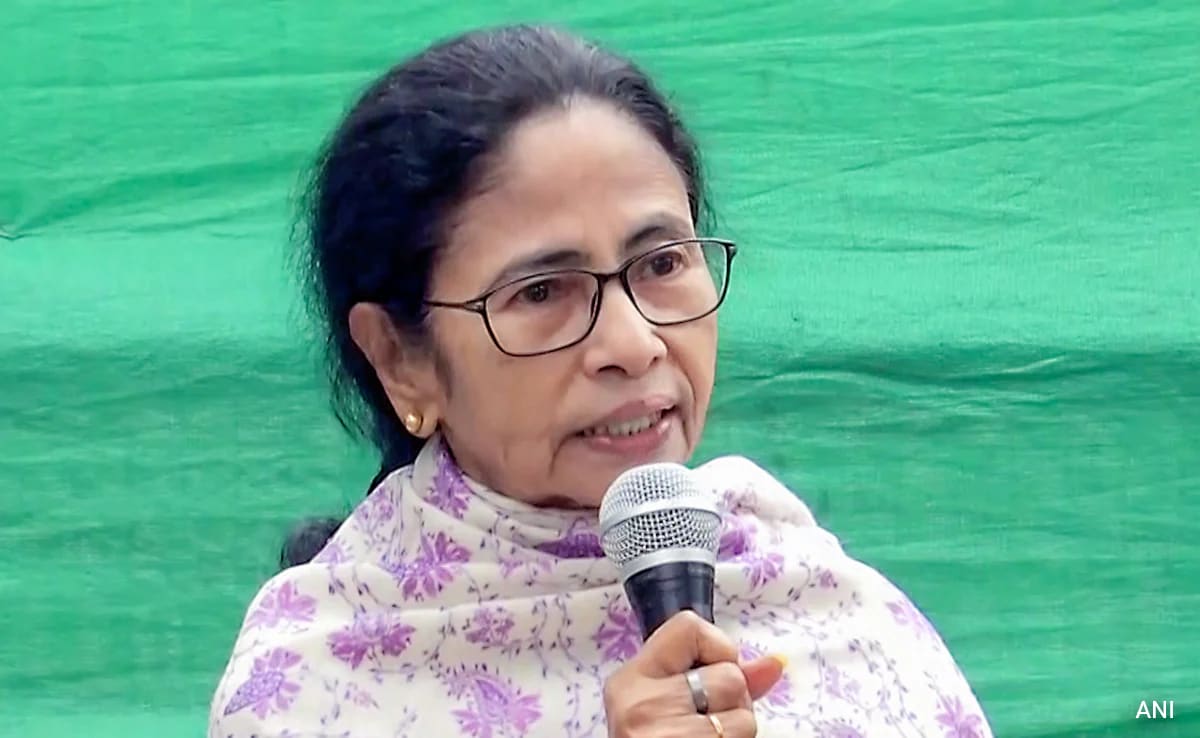
A recent application filed in the Supreme Court has ignited a legal debate, questioning the constitutionality of West Bengal Chief Minister Mamata Banerjee's personal appearance in the highest court. The case, centered around the Special Intensive Revision (SIR) matter, has brought attention to the delicate balance between executive power and judicial proceedings.
The application argues that the Chief Minister's presence in the top court was an unprecedented and constitutionally questionable move. It raises concerns about the potential implications of such an appearance, suggesting it may undermine the separation of powers and set a precedent for executive interference in judicial matters. The petitioner, a legal expert, asserts that while the Chief Minister's interest in the SIR case is understandable, her personal appearance could be seen as an attempt to influence the court's decision, which is legally untenable.
This development has sparked discussions within legal circles and political analysts alike. Some argue that the Chief Minister's appearance demonstrates her commitment to transparency and accountability. They believe it sends a strong message to the public, showcasing her willingness to engage directly with the judiciary. However, critics worry about the potential consequences for judicial independence. The debate centers on whether this action was a bold display of leadership or a breach of constitutional boundaries.
As the Supreme Court examines the application, the outcome will have significant implications. A ruling in favor of the petitioner could establish a precedent, guiding future interactions between the executive and judiciary. Alternatively, a rejection of the application might reinforce the discretion of high-ranking officials to appear in court, albeit in exceptional circumstances. This case serves as a reminder of the intricate relationship between different branches of government and the ongoing dialogue to define and uphold constitutional principles.
Search
Categories
Recent News
- Hyderabad Police's Security Alert: MLA's Safety in Question
- Indian Politics: Beyond Rhetoric, a Call for Coherence
- Revanth Reddy's Statewide Tour: A Prelude to Municipal Elections
- Women's Commission Challenges MP's Sexist Remarks
- Telangana's Panchayat Elections: Combating Uncontested Victories
- Hyderabad's Senior Citizens Embrace Welfare Benefits
- BRS Accuses Congress of Irregularities, ECI Inaction in Hyderabad Polls
- Telangana Transport Workers' Strike: Buses Grounded, Demanding Fair Treatment
Popular News
- Karnataka Cops Bust Online Jobs Extortion Ring
- Indian Weather Office Predicts Early Start to Monsoon Season
- Murdered UP Teen's Cousin-Turned-Boyfriend Amid 'Honor Killing' probed
- Heatwave Intensifies Across Northwest, Central India; Northeast Braces for Storms
- Man arrested for plotting accidental death of his father