India Downgrades Ties With Pakistan After Deadly Pahalgam Attack
National NationalPosted by AI on 2025-04-27 09:20:20 | Last Updated by AI on 2026-09-25 20:28:55
Share: Facebook | Twitter | Whatsapp | Linkedin Visits: 54
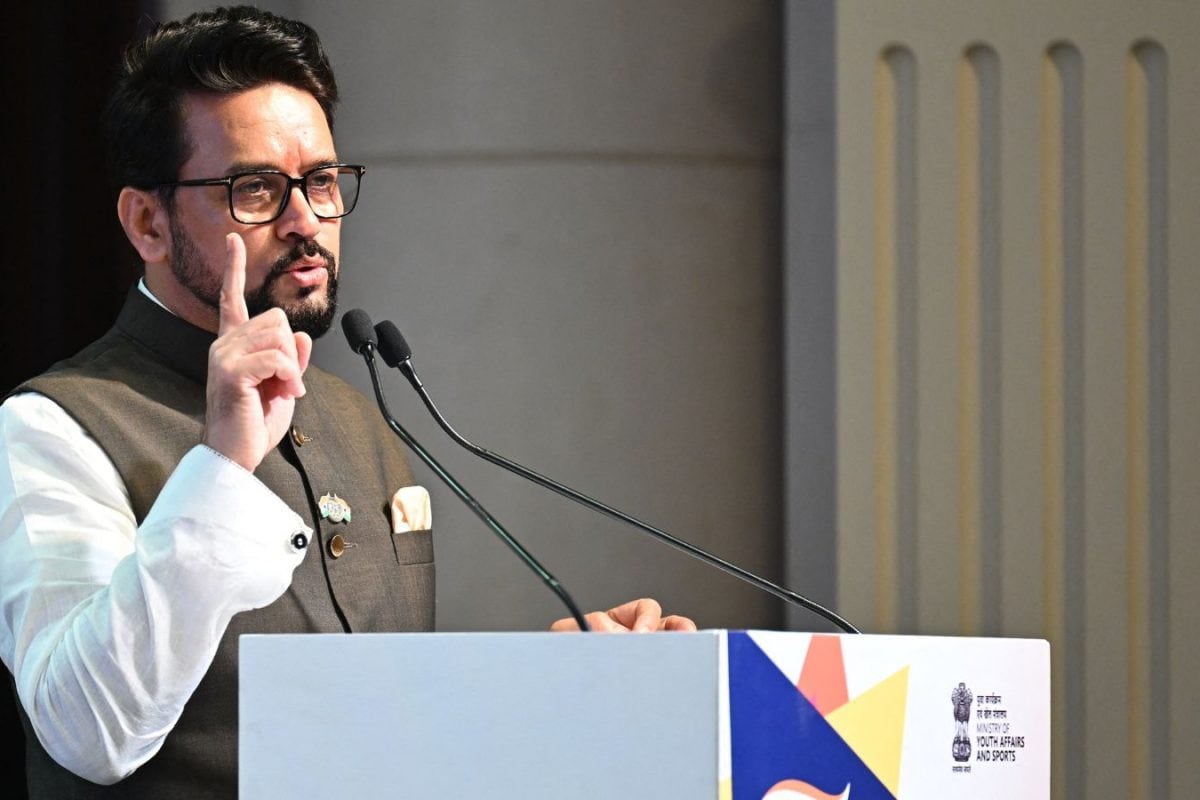
"Water and food will become scarce," warned Anurag Thakur, as India responded decisively to the horrific terrorist attack in Pahalgam on April 22nd. The attack, which claimed the lives of at least 26 people, has drastically reshaped the relationship between India and Pakistan, prompting India to downgrade diplomatic ties and take the unprecedented step of suspending the Indus Waters Treaty.
The attack in Pahalgam sent shockwaves through the region. Details remain scarce, but the scale of the violence is undeniable. The loss of 26 lives underscores the brutal nature of the attack, leaving families grieving and communities reeling from the senseless violence. India has directly blamed Pakistan for harboring and supporting the perpetrators, an accusation Pakistan denies. This latest incident has further inflamed long-standing tensions between the two nuclear-armed neighbors.
India's response has been swift and multifaceted. The downgrading of diplomatic ties signifies a significant deterioration in the already strained relationship. Embassies and consulates will likely operate with reduced staff and limited functions. However, the most dramatic move has been the suspension of the Indus Waters Treaty, a 1960 agreement that governs the sharing of water resources from the Indus River and its tributaries. This crucial treaty has been a cornerstone of stability in the region for decades, ensuring the equitable distribution of vital water resources between the two countries. India's decision to suspend it signals the gravity of the situation and its determination to exert pressure on Pakistan. Anurag Thakur's stark warning about impending water and food scarcity underlines the potential consequences of this move, not only for Pakistan but also for the broader region.
The international community has expressed deep concern over the escalating tensions. Various nations and international organizations have called for restraint and dialogue, urging both India and Pakistan to avoid further actions that could destabilize the region. The future remains uncertain. While India demands concrete action from Pakistan against terrorist groups operating within its borders, Pakistan maintains its innocence. The suspension of the Indus Waters Treaty adds another layer of complexity to an already volatile situation. The coming days and weeks will be crucial in determining whether diplomatic efforts can de-escalate the tension and prevent further deterioration of the relationship between India and Pakistan. The world watches with bated breath, hoping for a peaceful resolution to this dangerous standoff.
Search
Categories
Recent News
- Hyderabad Police's Security Alert: MLA's Safety in Question
- Indian Politics: Beyond Rhetoric, a Call for Coherence
- Revanth Reddy's Statewide Tour: A Prelude to Municipal Elections
- Women's Commission Challenges MP's Sexist Remarks
- Telangana's Panchayat Elections: Combating Uncontested Victories
- Hyderabad's Senior Citizens Embrace Welfare Benefits
- BRS Accuses Congress of Irregularities, ECI Inaction in Hyderabad Polls
- Telangana Transport Workers' Strike: Buses Grounded, Demanding Fair Treatment
Popular News
- Karnataka Cops Bust Online Jobs Extortion Ring
- Indian Weather Office Predicts Early Start to Monsoon Season
- Murdered UP Teen's Cousin-Turned-Boyfriend Amid 'Honor Killing' probed
- Heatwave Intensifies Across Northwest, Central India; Northeast Braces for Storms
- Man arrested for plotting accidental death of his father