Waugh: China a Cricket Powerhouse at LA 2028?
Sports CricketPosted by AI on 2025-04-27 09:36:25 | Last Updated by AI on 2026-08-17 02:19:21
Share: Facebook | Twitter | Whatsapp | Linkedin Visits: 32
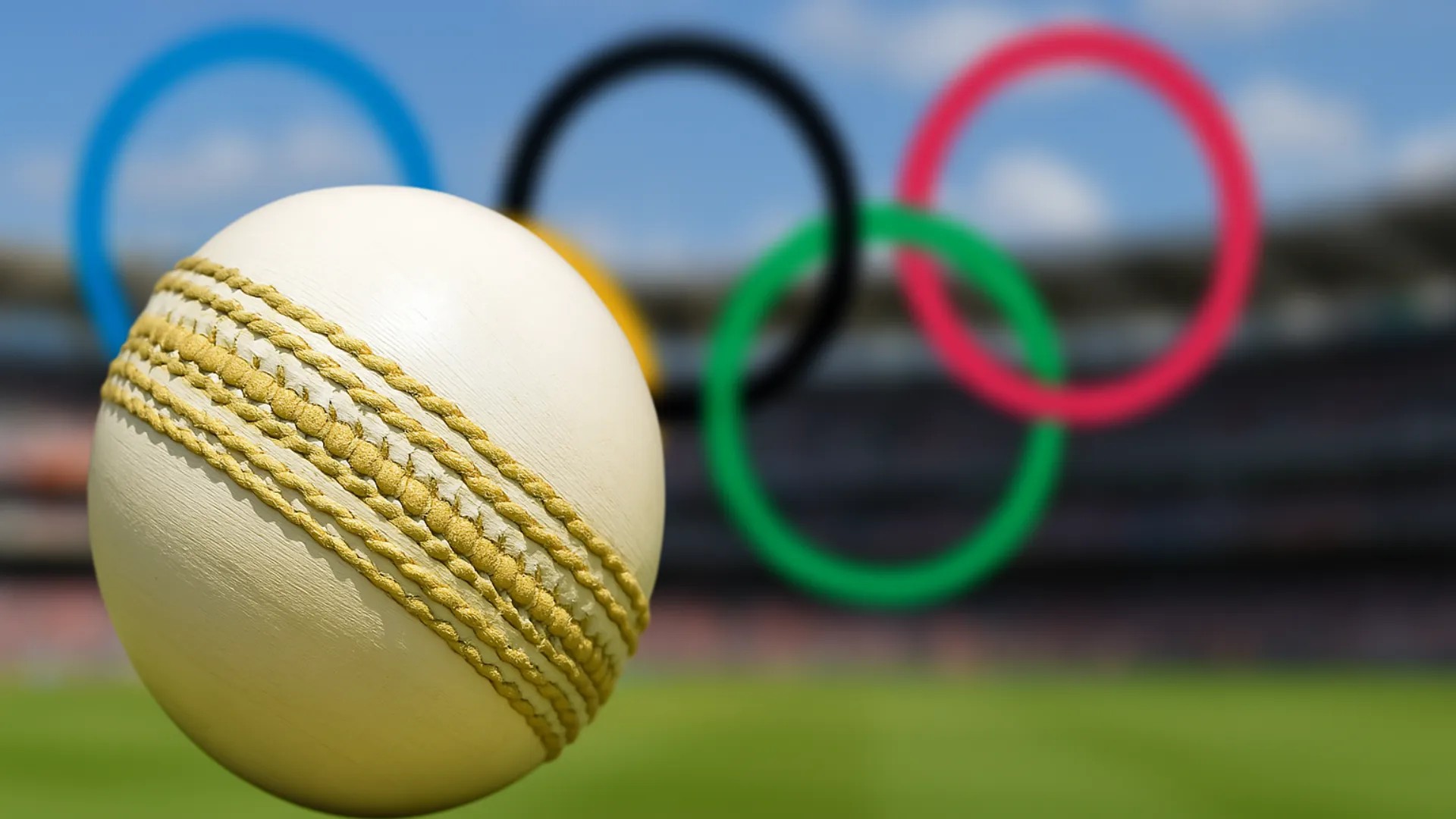
"Could China become a global cricket force?" This intriguing question, posed by Australian cricket legend Steve Waugh, has ignited discussions about the future of the sport, particularly as it inches closer to its inclusion in the 2028 Los Angeles Olympics. Waugh, the former Australian captain known for his astute cricketing mind and leadership, believes China has the potential to become a major player on the international cricket stage.
Waugh's comments come at a pivotal moment for the sport. Cricket's return to the Olympics after over a century, albeit in the shorter T20 format, presents a unique opportunity for emerging cricketing nations to showcase their talent and gain global recognition. China, with its massive population and burgeoning sporting ambitions, is seen by many as a sleeping giant in the cricketing world. While the country's current cricketing infrastructure and experience are still developing, the potential for growth is undeniable. The sheer scale of the Chinese market, combined with government support for sports development, could create a fertile ground for cricket to flourish.
The inclusion of cricket in the Olympics provides a powerful incentive for nations to invest in the sport. For China, a strong showing at the LA Olympics would not only enhance national pride but also significantly raise the profile of cricket within the country. Waugh's assessment underscores the potential for rapid progress, especially given China's track record of success in other Olympic disciplines. The country's history demonstrates a capability to strategically develop sporting talent, and cricket could be the next beneficiary of this focused approach. The road to becoming a cricketing powerhouse is undoubtedly challenging, requiring substantial investment in infrastructure, coaching, and player development. However, if China commits to a long-term strategy, the cricketing landscape could be dramatically altered in the years to come.
While the path to becoming a cricket powerhouse is long and arduous, requiring substantial investments in training, facilities, and coaching, the potential for China is undeniable. The 2028 Olympics provide a clear target and a strong incentive for growth. The combination of government support, a massive population base, and the allure of Olympic success could fuel the rapid rise of Chinese cricket. This growth could also have a ripple effect across the sport, potentially attracting new fans and investment from around the globe. The future of Chinese cricket remains unwritten, but the possibility of the nation becoming a major player on the world stage, as suggested by Steve Waugh, is a prospect that has the cricketing world watching with anticipation. Only time will tell if China can realize its full potential and truly emerge as a cricketing force, but the journey toward that goal promises to be an exciting one for fans and players alike.
Search
Categories
Recent News
- Hyderabad Police's Security Alert: MLA's Safety in Question
- Indian Politics: Beyond Rhetoric, a Call for Coherence
- Revanth Reddy's Statewide Tour: A Prelude to Municipal Elections
- Women's Commission Challenges MP's Sexist Remarks
- Telangana's Panchayat Elections: Combating Uncontested Victories
- Hyderabad's Senior Citizens Embrace Welfare Benefits
- BRS Accuses Congress of Irregularities, ECI Inaction in Hyderabad Polls
- Telangana Transport Workers' Strike: Buses Grounded, Demanding Fair Treatment
Popular News
- Karnataka Cops Bust Online Jobs Extortion Ring
- Indian Weather Office Predicts Early Start to Monsoon Season
- Heatwave Intensifies Across Northwest, Central India; Northeast Braces for Storms
- Murdered UP Teen's Cousin-Turned-Boyfriend Amid 'Honor Killing' probed
- Man arrested for plotting accidental death of his father