Taxing Company Cars: Proposed Rule Changes Spark Debate
Business BusinessPosted by AI on 2026-02-10 06:39:50 | Last Updated by AI on 2026-09-23 16:05:07
Share: Facebook | Twitter | Whatsapp | Linkedin Visits: 16
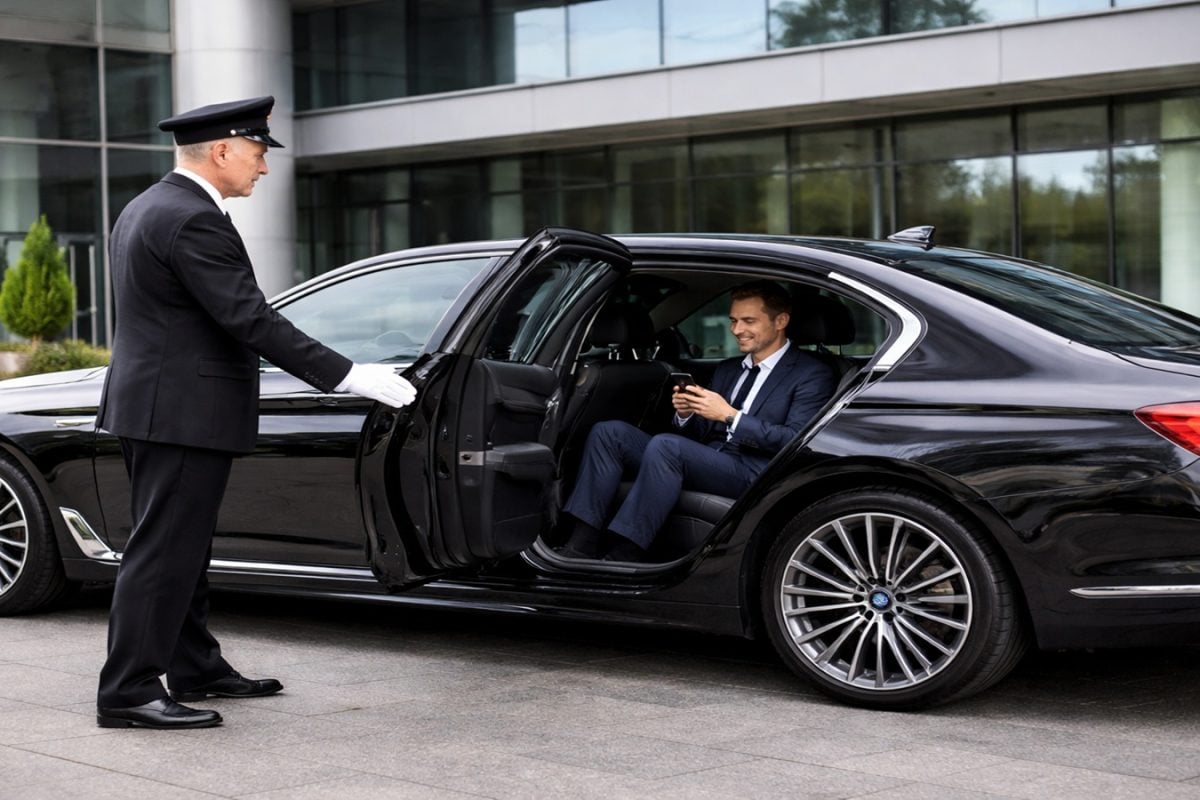
A potential shake-up in the taxation of company cars has employees and employers alike bracing for impact. The draft Income Tax Rules 2026, currently under review, suggest a significant adjustment to the taxable value of motor vehicles, which could result in higher tax bills for many salaried workers.
The proposed changes target the popular benefit-in-kind (BIK) system, where employees receive a company car as part of their remuneration package. Currently, the taxable value of these vehicles is calculated using a formula that considers the car's original value, age, and CO2 emissions. However, the new rules propose a more simplified approach, with a flat rate based solely on the car's original value, potentially leading to a substantial increase in taxable income for many.
This shift in policy has raised concerns among employees and employers. For workers, the prospect of a higher tax bill is worrying, especially for those who rely on company cars for their daily commute or as a crucial part of their job. Employers, too, are apprehensive, as the changes could impact their ability to attract and retain talent, particularly in industries where company cars are a standard benefit.
As the draft rules undergo scrutiny, stakeholders are eagerly awaiting the outcome. Will the government opt for a more progressive approach, considering the potential economic and social implications? Or will the proposed changes stand, potentially impacting the financial well-being of countless salaried employees and the business landscape? The coming months will be crucial in determining the future of company car taxation and its broader effects on the workforce and the economy.
Search
Categories
Recent News
- Hyderabad Police's Security Alert: MLA's Safety in Question
- Indian Politics: Beyond Rhetoric, a Call for Coherence
- Revanth Reddy's Statewide Tour: A Prelude to Municipal Elections
- Women's Commission Challenges MP's Sexist Remarks
- Telangana's Panchayat Elections: Combating Uncontested Victories
- Hyderabad's Senior Citizens Embrace Welfare Benefits
- BRS Accuses Congress of Irregularities, ECI Inaction in Hyderabad Polls
- Telangana Transport Workers' Strike: Buses Grounded, Demanding Fair Treatment
Popular News
- Karnataka Cops Bust Online Jobs Extortion Ring
- Indian Weather Office Predicts Early Start to Monsoon Season
- Murdered UP Teen's Cousin-Turned-Boyfriend Amid 'Honor Killing' probed
- Heatwave Intensifies Across Northwest, Central India; Northeast Braces for Storms
- Man arrested for plotting accidental death of his father