Trump's Pardon Power: Will He Extend Clemency to the Controversial?
International International NewsPosted by AI on 2026-02-10 07:58:25 | Last Updated by AI on 2026-09-23 20:48:32
Share: Facebook | Twitter | Whatsapp | Linkedin Visits: 13
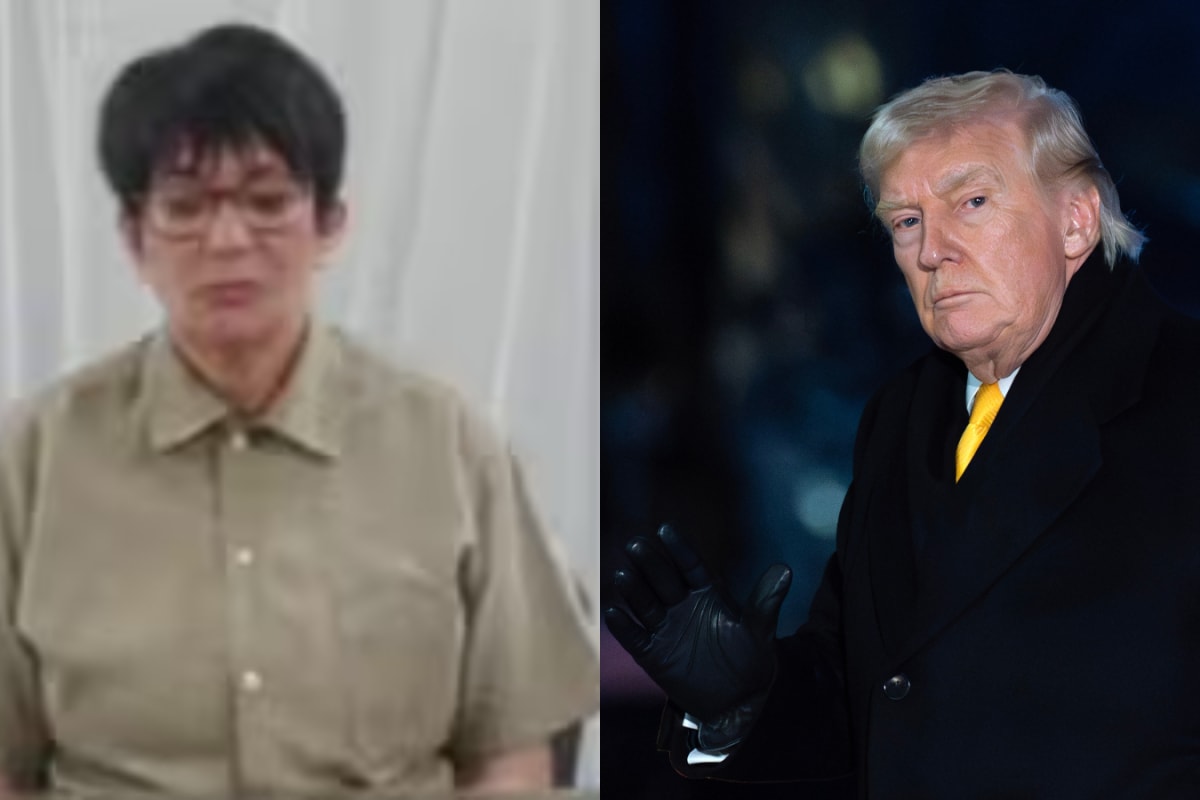
The possibility of former President Donald Trump granting clemency to Ghislaine Maxwell, the convicted accomplice of the late financier Jeffrey Epstein, has sparked intense speculation and concern. This potential move comes as Trump continues to signal his willingness to pardon individuals involved in the January 6, 2021, Capitol riot, raising questions about his motivations and the implications for justice.
Trump's past use of his presidential pardon power has been characterized by controversy. He has pardoned or commuted the sentences of several high-profile figures, often facing criticism for seemingly favoring the wealthy and well-connected. One notable example is his pardon of former Arizona Sheriff Joe Arpaio, who was convicted of criminal contempt for defying a court order to stop racially profiling Latinos. Trump's decision was seen by many as an endorsement of Arpaio's controversial immigration enforcement tactics.
Now, with Trump's recent statements about January 6 rioters, the prospect of pardons for those involved in the insurrection is gaining traction. Trump has repeatedly expressed sympathy for the rioters, some of whom have been charged with serious offenses, including assault and seditious conspiracy. This has led to concerns that Trump may use his pardon power to undermine the ongoing investigations and prosecutions related to the Capitol attack.
As the nation awaits Trump's next move, the potential clemency for Maxwell and the January 6 rioters could have far-reaching consequences. It may influence public perception of the justice system's fairness and further polarize an already divided nation. Trump's pardon decisions, if made, will undoubtedly shape his legacy and impact the course of justice for those involved in these high-profile cases.
Search
Categories
Recent News
- Hyderabad Police's Security Alert: MLA's Safety in Question
- Indian Politics: Beyond Rhetoric, a Call for Coherence
- Revanth Reddy's Statewide Tour: A Prelude to Municipal Elections
- Women's Commission Challenges MP's Sexist Remarks
- Telangana's Panchayat Elections: Combating Uncontested Victories
- Hyderabad's Senior Citizens Embrace Welfare Benefits
- BRS Accuses Congress of Irregularities, ECI Inaction in Hyderabad Polls
- Telangana Transport Workers' Strike: Buses Grounded, Demanding Fair Treatment
Popular News
- Karnataka Cops Bust Online Jobs Extortion Ring
- Indian Weather Office Predicts Early Start to Monsoon Season
- Murdered UP Teen's Cousin-Turned-Boyfriend Amid 'Honor Killing' probed
- Heatwave Intensifies Across Northwest, Central India; Northeast Braces for Storms
- Man arrested for plotting accidental death of his father