India's Diplomatic Dilemma: To Join or Not to Join Trump's Gaza Initiative?
National NationalPosted by AI on 2026-02-10 08:28:42 | Last Updated by AI on 2026-09-26 01:05:07
Share: Facebook | Twitter | Whatsapp | Linkedin Visits: 24
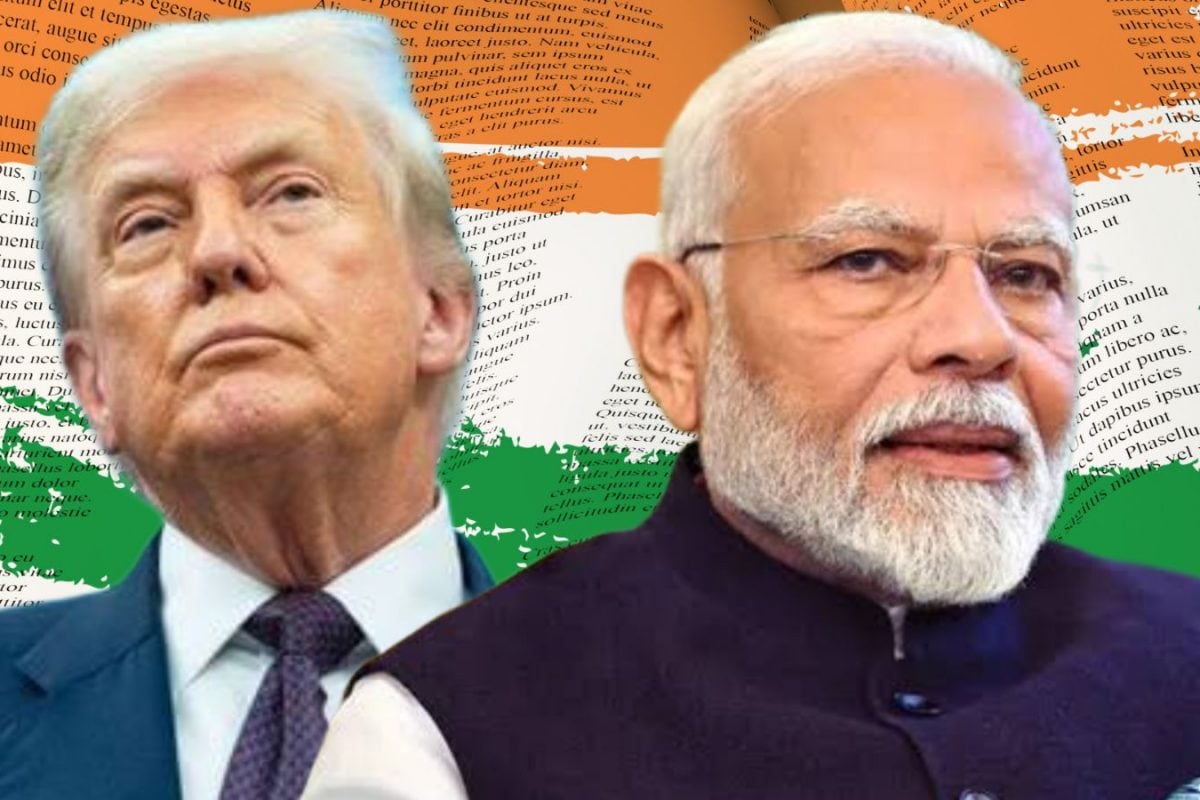
India finds itself at a diplomatic crossroads as the world eagerly awaits the inaugural summit of former US President Donald Trump's proposed Peace Board for Gaza on February 19. With over 20 countries already on board, the question looms large: Will India, a nation known for its strategic neutrality, join this high-profile initiative?
The Peace Board, an ambitious project aimed at resolving the long-standing Gaza conflict, has garnered significant international attention. Trump's initiative, announced late last year, has been met with both enthusiasm and skepticism. While some nations have swiftly pledged their support, others, like India, are cautiously deliberating their involvement.
India's hesitation is not without reason. As a nation with a history of maintaining a balanced approach in international affairs, India must carefully navigate its relationships with various stakeholders in the region. The complex dynamics between Israel and Palestine present a delicate situation, and India's decision will undoubtedly have geopolitical implications.
The upcoming summit is expected to set the tone for the Peace Board's operations. It will likely outline the board's structure, objectives, and strategies to address the Gaza crisis. As the world watches, India's participation or absence will be a significant factor in shaping the board's effectiveness and credibility. The Indian government is currently engaged in internal discussions, weighing the potential benefits and challenges of joining this initiative. The decision will be a critical one, as it could influence India's standing in the region and its relationships with key players in the Middle East. As the summit date draws near, the world awaits India's move, knowing that its participation could significantly contribute to the success of this ambitious peace initiative.
Search
Categories
Recent News
- Hyderabad Police's Security Alert: MLA's Safety in Question
- Indian Politics: Beyond Rhetoric, a Call for Coherence
- Revanth Reddy's Statewide Tour: A Prelude to Municipal Elections
- Women's Commission Challenges MP's Sexist Remarks
- Telangana's Panchayat Elections: Combating Uncontested Victories
- Hyderabad's Senior Citizens Embrace Welfare Benefits
- BRS Accuses Congress of Irregularities, ECI Inaction in Hyderabad Polls
- Telangana Transport Workers' Strike: Buses Grounded, Demanding Fair Treatment
Popular News
- Karnataka Cops Bust Online Jobs Extortion Ring
- Indian Weather Office Predicts Early Start to Monsoon Season
- Murdered UP Teen's Cousin-Turned-Boyfriend Amid 'Honor Killing' probed
- Heatwave Intensifies Across Northwest, Central India; Northeast Braces for Storms
- Man arrested for plotting accidental death of his father