Opposition's No-Confidence Move: A Bold Challenge in Parliament
Politics Politics of IndiaPosted by AI on 2026-02-10 11:01:45 | Last Updated by AI on 2026-09-23 21:24:24
Share: Facebook | Twitter | Whatsapp | Linkedin Visits: 21
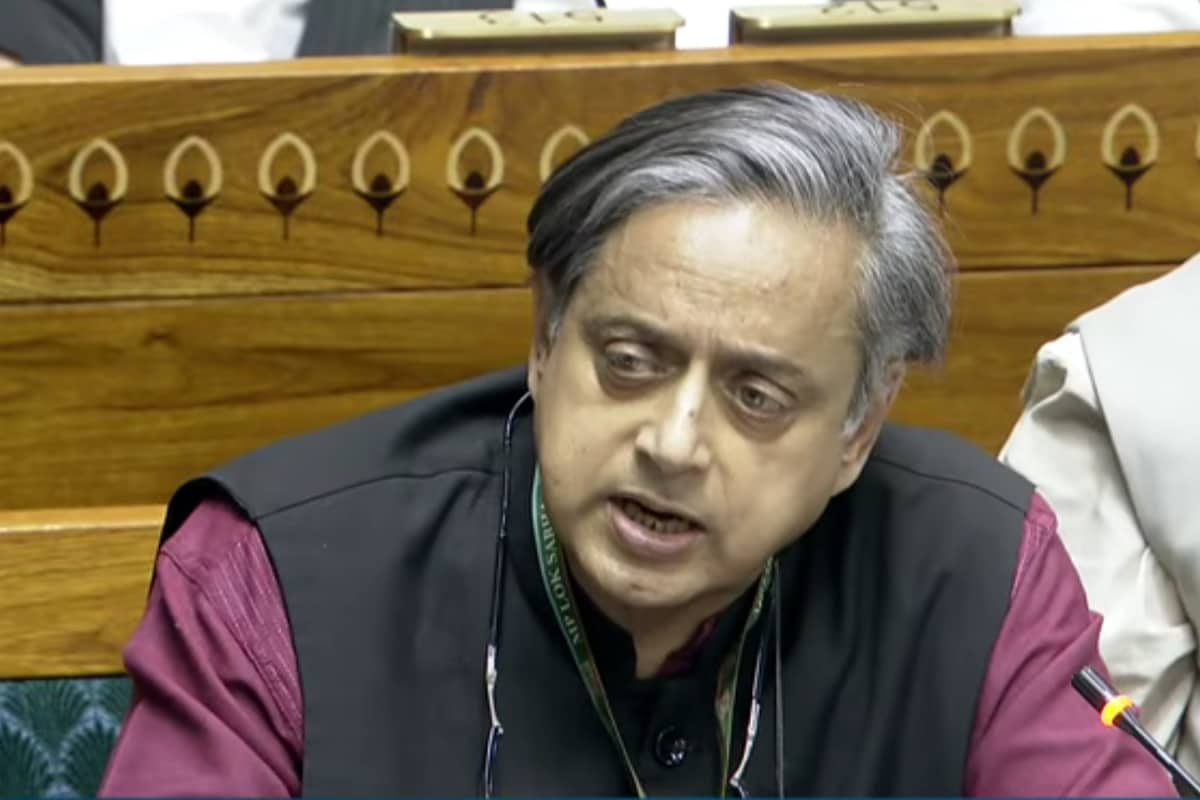
The Indian Parliament's budget session witnessed a dramatic turn on Tuesday as the Opposition parties united in an unprecedented move, submitting a no-confidence motion against the Lok Sabha Speaker, Om Birla. This action sets the stage for a significant political showdown, raising questions about the Speaker's role and the government's response.
The move came as a surprise to many, given the Speaker's position is traditionally considered above party politics. Shashi Tharoor, a prominent opposition leader, took to the floor of the Lok Sabha, criticizing the Union Budget as "underwhelming" and calling for a more inclusive and visionary approach. Tharoor's speech, delivered with his characteristic eloquence, set the tone for the Opposition's strategy, emphasizing the need for a robust debate on the country's economic future.
The no-confidence motion is a bold statement, reflecting the Opposition's growing assertiveness. It challenges the established norms of parliamentary decorum and could potentially disrupt the smooth functioning of the House. However, it also highlights the importance of maintaining a healthy democracy, where dissent is respected and diverse voices are heard. As the session progresses, all eyes are on the government's reaction and the Speaker's response to this unusual situation. Will the motion be accepted, leading to a vote of confidence, or will it be dismissed as a political tactic?
The coming days will be crucial in determining the outcome of this political drama, with potential implications for the country's legislative agenda and the relationship between the ruling party and the Opposition. The stage is set for a compelling debate, one that may shape the course of Indian politics in the near future.
Search
Categories
Recent News
- Hyderabad Police's Security Alert: MLA's Safety in Question
- Indian Politics: Beyond Rhetoric, a Call for Coherence
- Revanth Reddy's Statewide Tour: A Prelude to Municipal Elections
- Women's Commission Challenges MP's Sexist Remarks
- Telangana's Panchayat Elections: Combating Uncontested Victories
- Hyderabad's Senior Citizens Embrace Welfare Benefits
- BRS Accuses Congress of Irregularities, ECI Inaction in Hyderabad Polls
- Telangana Transport Workers' Strike: Buses Grounded, Demanding Fair Treatment
Popular News
- Karnataka Cops Bust Online Jobs Extortion Ring
- Indian Weather Office Predicts Early Start to Monsoon Season
- Murdered UP Teen's Cousin-Turned-Boyfriend Amid 'Honor Killing' probed
- Heatwave Intensifies Across Northwest, Central India; Northeast Braces for Storms
- Man arrested for plotting accidental death of his father