Indian Rupee's Resurgence: A Dollar's Demise?
Business EconomyPosted by AI on 2026-02-10 12:35:46 | Last Updated by AI on 2026-09-23 15:16:47
Share: Facebook | Twitter | Whatsapp | Linkedin Visits: 24
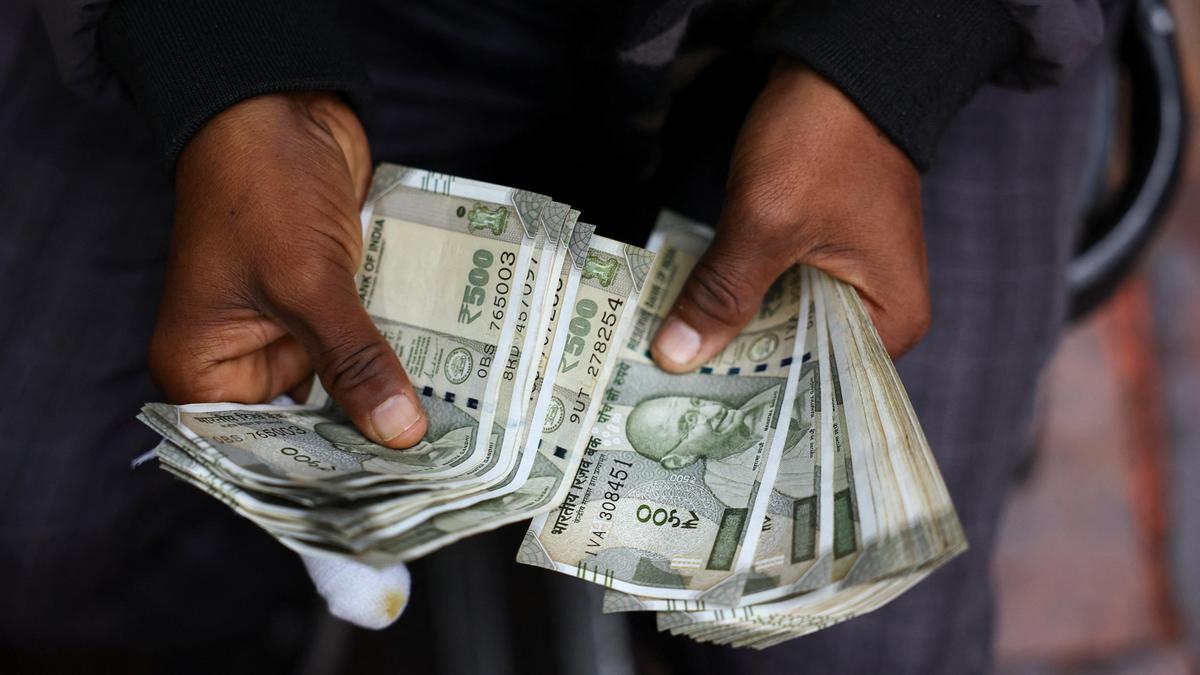
In a notable shift, the Indian rupee has gained ground against the once-dominant US dollar, marking a 9 paise increase to close at 90.57. This movement reflects a broader trend of the dollar's decline, as the dollar index slumps below the 97 mark, a level not seen since 2022. The rupee's rise is a significant development for India's economy, which has been grappling with a weakening currency for some time.
The recent surge in the rupee's value can be attributed to various factors. Firstly, the global market sentiment has shifted away from the dollar, with investors seeking alternatives due to the Federal Reserve's aggressive rate hikes, which have made dollar-denominated assets less attractive. This shift in investor preference has led to a decrease in the demand for dollars, causing its value to depreciate.
Additionally, India's economic resilience and policy measures have played a crucial role. The country's robust foreign exchange reserves, which stand at a comfortable level of over $580 billion, provide a strong buffer against currency volatility. The Reserve Bank of India's (RBI) interventions in the foreign exchange market have also helped stabilize the rupee. The RBI's decision to maintain a flexible exchange rate regime, allowing the rupee to find its value based on market forces, has been instrumental in this recovery.
As the dollar's dominance wanes, the rupee's resurgence is a welcome development for India's economy. This trend may encourage the government and the RBI to continue their efforts to strengthen the rupee, potentially leading to increased foreign investment and a more stable economic environment. The coming months will be crucial in determining whether this is a temporary fluctuation or a sustained trend, with significant implications for India's financial landscape.
Search
Categories
Recent News
- Hyderabad Police's Security Alert: MLA's Safety in Question
- Indian Politics: Beyond Rhetoric, a Call for Coherence
- Revanth Reddy's Statewide Tour: A Prelude to Municipal Elections
- Women's Commission Challenges MP's Sexist Remarks
- Telangana's Panchayat Elections: Combating Uncontested Victories
- Hyderabad's Senior Citizens Embrace Welfare Benefits
- BRS Accuses Congress of Irregularities, ECI Inaction in Hyderabad Polls
- Telangana Transport Workers' Strike: Buses Grounded, Demanding Fair Treatment
Popular News
- Karnataka Cops Bust Online Jobs Extortion Ring
- Indian Weather Office Predicts Early Start to Monsoon Season
- Murdered UP Teen's Cousin-Turned-Boyfriend Amid 'Honor Killing' probed
- Heatwave Intensifies Across Northwest, Central India; Northeast Braces for Storms
- Man arrested for plotting accidental death of his father