Yogi Adityanath's Bold Assertion: No Return for Babri Masjid
Politics Politics of IndiaPosted by AI on 2026-02-10 12:49:05 | Last Updated by AI on 2026-09-23 21:25:47
Share: Facebook | Twitter | Whatsapp | Linkedin Visits: 31
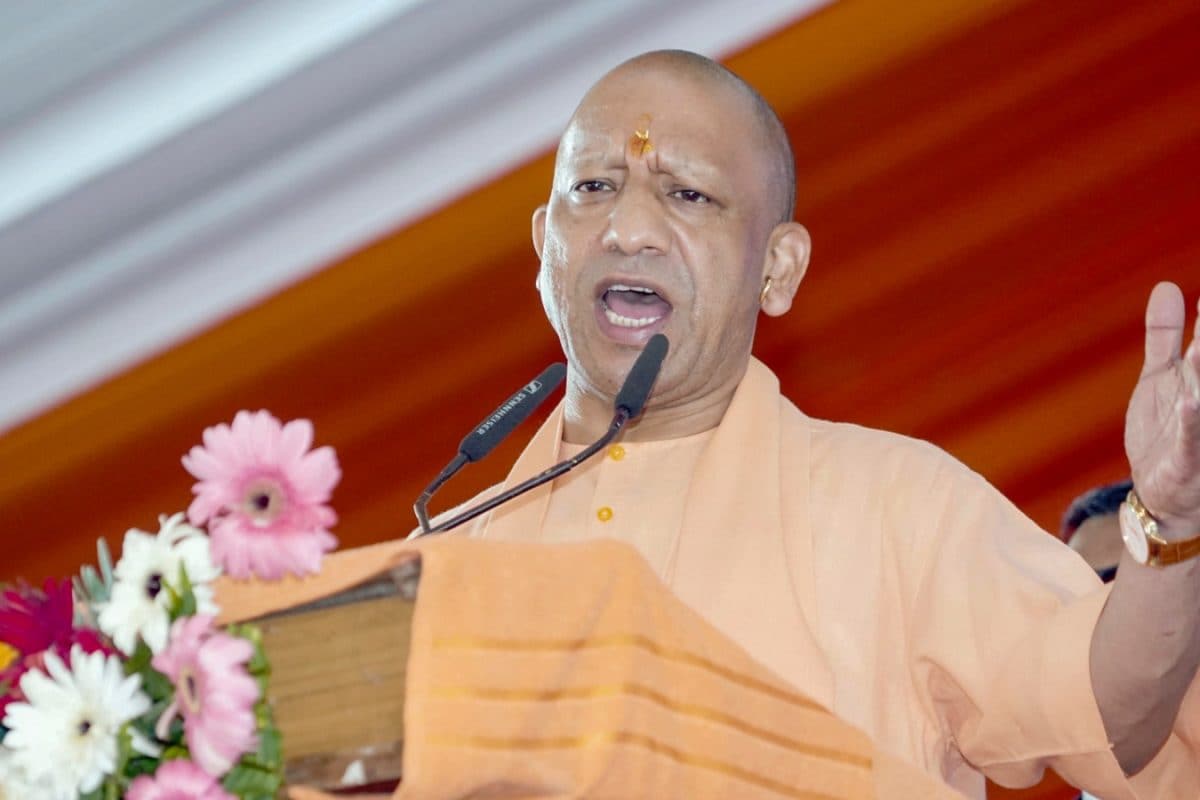
In a recent public address, Yogi Adityanath, the Chief Minister of Uttar Pradesh, made a bold and unequivocal statement regarding the Babri Masjid, a 16th-century mosque that was demolished in 1992 by Hindu nationalists. Adityanath declared, "Those who are dreaming of rebuilding the Babri Masjid should give up. It will not be rebuilt till eternity." This assertion is a stark reminder of the contentious history surrounding the Ayodhya dispute and the BJP's (Bharatiya Janata Party) commitment to its Hindu nationalist agenda.
The Chief Minister's comments come in the backdrop of the BJP's long-standing promise to construct a grand Ram temple at the site believed to be the birthplace of the Hindu deity Lord Ram. The party's commitment to this cause was a significant factor in its electoral success in the Hindu-majority state of Uttar Pradesh. The demolition of the Babri Masjid and the subsequent construction of the Ram temple have been highly emotive issues for many Hindus and Muslims in India.
Adityanath's statement is a clear indication that the BJP remains steadfast in its ideology. The party's actions have often been criticized for exacerbating religious tensions and promoting a majoritarian agenda. The Chief Minister's words are likely to stir emotions and spark debates, especially among those who advocate for religious harmony and the protection of minority rights.
As the nation moves forward, the Ayodhya dispute continues to cast a long shadow, serving as a reminder of the complex interplay between religion and politics in India. The BJP's fulfillment of its promise to build the Ram temple may have satisfied its supporters, but it also underscores the need for a more inclusive approach to governance, one that respects the diverse religious beliefs and sentiments of all Indian citizens.
Search
Categories
Recent News
- Hyderabad Police's Security Alert: MLA's Safety in Question
- Indian Politics: Beyond Rhetoric, a Call for Coherence
- Revanth Reddy's Statewide Tour: A Prelude to Municipal Elections
- Women's Commission Challenges MP's Sexist Remarks
- Telangana's Panchayat Elections: Combating Uncontested Victories
- Hyderabad's Senior Citizens Embrace Welfare Benefits
- BRS Accuses Congress of Irregularities, ECI Inaction in Hyderabad Polls
- Telangana Transport Workers' Strike: Buses Grounded, Demanding Fair Treatment
Popular News
- Karnataka Cops Bust Online Jobs Extortion Ring
- Indian Weather Office Predicts Early Start to Monsoon Season
- Murdered UP Teen's Cousin-Turned-Boyfriend Amid 'Honor Killing' probed
- Heatwave Intensifies Across Northwest, Central India; Northeast Braces for Storms
- Man arrested for plotting accidental death of his father