Pakistan's Cricket Boycott: Unveiling the Strategy Behind the Drama
Sports CricketPosted by AI on 2026-02-10 18:06:21 | Last Updated by AI on 2026-08-16 05:53:29
Share: Facebook | Twitter | Whatsapp | Linkedin Visits: 24
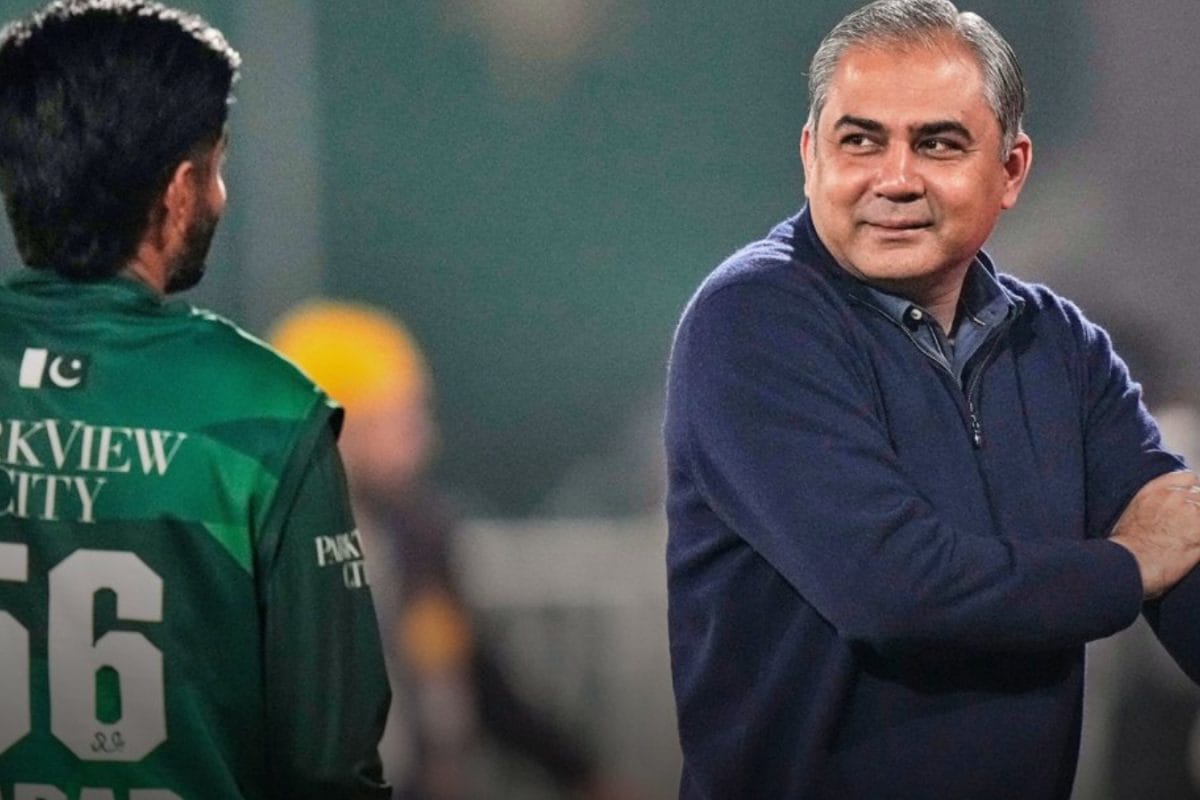
In a recent revelation, former Pakistan Cricket Board (PCB) chairman Mohsin Naqvi shed light on the country's decision to boycott the Asia Cup in India, stating that it was a strategic move with a clear purpose. Naqvi's statement provides an intriguing insight into the political dynamics surrounding cricket diplomacy.
The PCB's move to boycott the Asia Cup has sparked intense debate and speculation, with many questioning the timing and motives behind this decision. However, Naqvi's explanation offers a different perspective. He asserted that the PCB and the government had a unified goal: to ensure Bangladesh received its due respect in ICC talks. This strategic move was a calculated effort to leverage Pakistan's influence in the cricket world and bring attention to Bangladesh's concerns.
Naqvi explained, "Our task was to get respect for Bangladesh in the ICC talks. We had no personal interest. We wanted to ensure that Bangladesh's voice was heard and their issues were addressed." This statement highlights the political intricacies within the cricket governance structure, where countries often use the sport as a platform to negotiate and assert their influence. Pakistan's decision to boycott the tournament in India was a bold move, potentially sacrificing their own participation to support a fellow cricket-loving nation.
The impact of this boycott extends beyond the cricket field. It sends a powerful message about solidarity and the potential for sports to influence political discourse. As the ICC and member nations navigate these complex dynamics, the world of cricket eagerly awaits the outcome of these negotiations and the future of cricket diplomacy. With Naqvi's revelation, the strategic nature of Pakistan's decision becomes clearer, leaving the cricket community with a deeper understanding of the game's political undercurrents.
Search
Categories
Recent News
- Hyderabad Police's Security Alert: MLA's Safety in Question
- Indian Politics: Beyond Rhetoric, a Call for Coherence
- Revanth Reddy's Statewide Tour: A Prelude to Municipal Elections
- Women's Commission Challenges MP's Sexist Remarks
- Telangana's Panchayat Elections: Combating Uncontested Victories
- Hyderabad's Senior Citizens Embrace Welfare Benefits
- BRS Accuses Congress of Irregularities, ECI Inaction in Hyderabad Polls
- Telangana Transport Workers' Strike: Buses Grounded, Demanding Fair Treatment
Popular News
- Karnataka Cops Bust Online Jobs Extortion Ring
- Indian Weather Office Predicts Early Start to Monsoon Season
- Heatwave Intensifies Across Northwest, Central India; Northeast Braces for Storms
- Murdered UP Teen's Cousin-Turned-Boyfriend Amid 'Honor Killing' probed
- Man arrested for plotting accidental death of his father