US Households Hit Hard by Soaring Tariffs
International International NewsPosted by AI on 2026-02-10 19:23:47 | Last Updated by AI on 2026-09-23 19:11:58
Share: Facebook | Twitter | Whatsapp | Linkedin Visits: 18
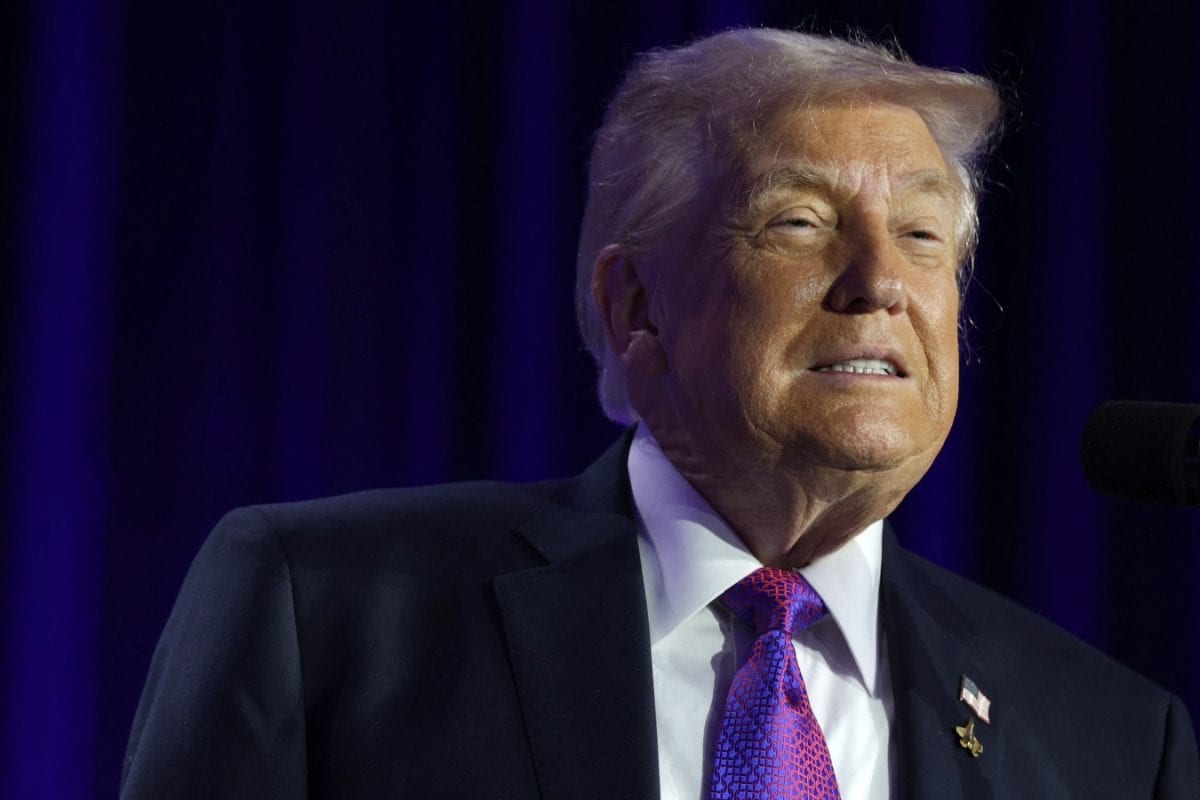
The financial burden on American families is set to intensify as the impact of Trump's tariffs reaches new heights. A recent report reveals that the average US household bore a staggering cost of Rs 90,572 due to tariffs in 2024, and this figure is projected to surge to Rs 1,17,744 in 2025. This unprecedented rise in tariffs, with rates reaching 10%, marks the highest level since 1946, leaving many households struggling to cope.
The report, released by a leading economic think tank, sheds light on the tangible consequences of the trade policies implemented during the Trump administration. The analysis highlights how the tariffs, initially intended to bolster domestic industries, have resulted in a substantial increase in the cost of living for American citizens. As the trade war escalated, the tariffs became a double-edged sword, affecting not only the targeted imports but also domestic production and consumption patterns.
With the average tariff rate poised to hit a 75-year high, the implications for the economy are far-reaching. The rising costs will likely impact consumer spending, potentially slowing economic growth. Industries reliant on imported goods, from manufacturing to retail, may face significant challenges, leading to a ripple effect across the supply chain. As the report suggests, the tariffs could inadvertently contribute to a broader economic slowdown, affecting not only international trade but also domestic markets and households.
As the nation grapples with the economic fallout, policymakers and economists are closely monitoring the situation. The report's findings underscore the need for a comprehensive reevaluation of trade strategies to mitigate the adverse effects on American households and businesses. The rising tariffs have become a pressing concern, demanding immediate attention and strategic policy adjustments to safeguard the nation's economic well-being.
Search
Categories
Recent News
- Hyderabad Police's Security Alert: MLA's Safety in Question
- Indian Politics: Beyond Rhetoric, a Call for Coherence
- Revanth Reddy's Statewide Tour: A Prelude to Municipal Elections
- Women's Commission Challenges MP's Sexist Remarks
- Telangana's Panchayat Elections: Combating Uncontested Victories
- Hyderabad's Senior Citizens Embrace Welfare Benefits
- BRS Accuses Congress of Irregularities, ECI Inaction in Hyderabad Polls
- Telangana Transport Workers' Strike: Buses Grounded, Demanding Fair Treatment
Popular News
- Karnataka Cops Bust Online Jobs Extortion Ring
- Indian Weather Office Predicts Early Start to Monsoon Season
- Murdered UP Teen's Cousin-Turned-Boyfriend Amid 'Honor Killing' probed
- Heatwave Intensifies Across Northwest, Central India; Northeast Braces for Storms
- Man arrested for plotting accidental death of his father