WB School Staff Crisis: Aid Offered, Protests Continue
Politics Politics of IndiaPosted by AI on 2025-04-27 13:35:19 | Last Updated by AI on 2026-09-24 04:09:38
Share: Facebook | Twitter | Whatsapp | Linkedin Visits: 37
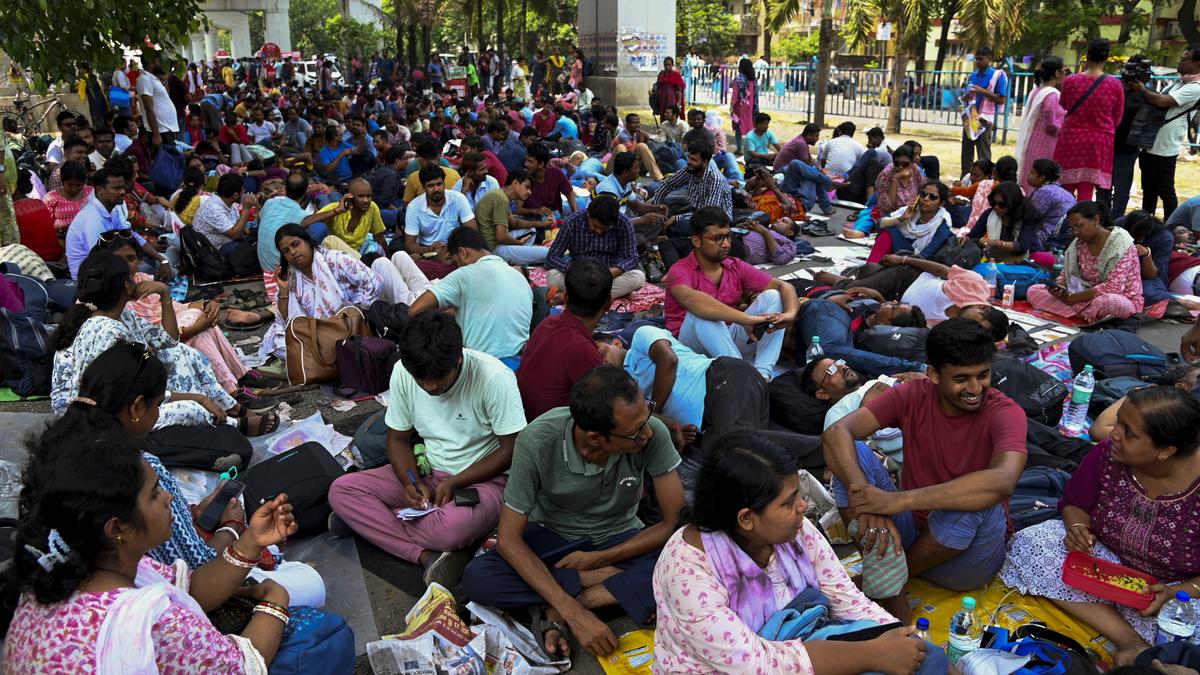
"Will financial assistance alone solve our problems?" This question hangs heavy in the air in West Bengal, where protesting non-teaching school staff have rejected Chief Minister Mamata Banerjee's offer of interim financial aid. The ongoing recruitment crisis, riddled with allegations of corruption and irregularities, continues to disrupt the state's education system, leaving thousands of Group C and D employees in limbo.
The Chief Minister announced the monthly financial assistance, intended to support the affected employees until the Supreme Court delivers its verdict on the state's review petition concerning the recruitment process. This petition challenges a previous court order that deemed certain appointments illegal. While the government portrays this financial aid as a gesture of goodwill, the protesting staff see it as a temporary fix that fails to address the core issue: securing permanent positions. They demand reinstatement and justice, arguing that they are victims of a flawed system.
Images from the protest sites paint a vivid picture of the demonstrators' resolve. Placards demanding fair recruitment practices and permanent jobs are held aloft. Chants echo through the streets, a testament to their unwavering commitment to their cause. The protests, now stretching into weeks, have brought together men and women from across the state, united by their shared plight. They argue that the financial assistance, while helpful in the short term, does not guarantee their future or address the root cause of their predicament. They fear being trapped in a cycle of temporary relief, with no guarantee of eventual employment.
The governments move to offer financial aid underscores the significant impact of the recruitment crisis. It acknowledges the hardship faced by the non-teaching staff while the legal battle continues. However, the protesters' rejection of the offer highlights the deep-seated distrust and frustration that has permeated the situation. The affected employees feel their livelihoods are hanging in the balance, with the legal complexities of the case adding to their anxieties. The ongoing stalemate raises questions about the future of these employees and the overall stability of the education sector in West Bengal.
This complex standoff has far-reaching implications, extending beyond the immediate concerns of the protesting staff. It highlights the challenges faced by the states education system, burdened by legal battles and allegations of irregularities in recruitment processes. The situation remains tense, with no clear resolution in sight. The Supreme Courts decision on the state's review petition will undoubtedly play a crucial role in determining the fate of these non-teaching staff and shaping the future of school administration in West Bengal. The protests continue, serving as a constant reminder of the urgent need for a just and lasting solution to this crisis.
Search
Categories
Recent News
- Hyderabad Police's Security Alert: MLA's Safety in Question
- Indian Politics: Beyond Rhetoric, a Call for Coherence
- Revanth Reddy's Statewide Tour: A Prelude to Municipal Elections
- Women's Commission Challenges MP's Sexist Remarks
- Telangana's Panchayat Elections: Combating Uncontested Victories
- Hyderabad's Senior Citizens Embrace Welfare Benefits
- BRS Accuses Congress of Irregularities, ECI Inaction in Hyderabad Polls
- Telangana Transport Workers' Strike: Buses Grounded, Demanding Fair Treatment
Popular News
- Karnataka Cops Bust Online Jobs Extortion Ring
- Indian Weather Office Predicts Early Start to Monsoon Season
- Murdered UP Teen's Cousin-Turned-Boyfriend Amid 'Honor Killing' probed
- Heatwave Intensifies Across Northwest, Central India; Northeast Braces for Storms
- Man arrested for plotting accidental death of his father