New UGC Rules Face Legal Scrutiny: Supreme Court Steps In
National NationalPosted by AI on 2026-02-11 07:09:08 | Last Updated by AI on 2026-09-24 17:17:12
Share: Facebook | Twitter | Whatsapp | Linkedin Visits: 16
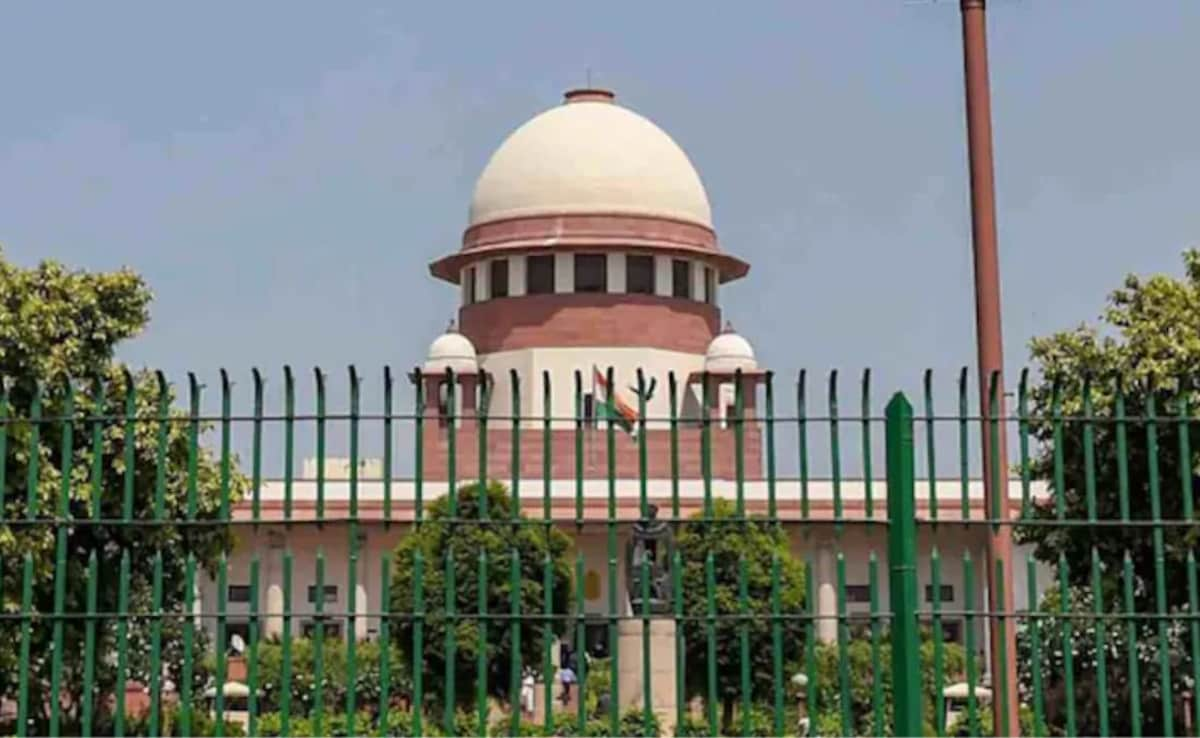
In a significant development, the Supreme Court of India has taken a decisive step by ordering the consolidation of all petitions challenging the University Grants Commission's (UGC) recently introduced reservation rules. This move comes as a response to the growing chorus of voices expressing concerns over the potential discriminatory impact of these regulations.
The fresh petitions, filed by various individuals and organizations, argue that the UGC's new guidelines, which aim to provide reservations for economically weaker sections in higher education institutions, are inherently biased against the general category. They claim that the rules infringe upon the fundamental rights of students who do not fall under the reserved categories. The petitioners assert that the regulations disproportionately affect the general category students' chances of securing admission to prestigious institutions, thereby violating their constitutional rights.
The Supreme Court's decision to club these petitions together indicates the gravity of the issue and the potential impact on the country's education system. By consolidating the challenges, the court aims to address the concerns comprehensively and ensure a fair and just resolution. This move will enable a thorough examination of the UGC's policy, considering the diverse arguments presented by the petitioners.
As the legal battle unfolds, the outcome of this case will have far-reaching consequences for the future of higher education in India. It raises questions about the delicate balance between affirmative action and equal opportunity, and how the judiciary will interpret and uphold the constitutional rights of all citizens in this context. The nation awaits the court's verdict, which will undoubtedly shape the educational landscape and the aspirations of countless students.
Search
Categories
Recent News
- Hyderabad Police's Security Alert: MLA's Safety in Question
- Indian Politics: Beyond Rhetoric, a Call for Coherence
- Revanth Reddy's Statewide Tour: A Prelude to Municipal Elections
- Women's Commission Challenges MP's Sexist Remarks
- Telangana's Panchayat Elections: Combating Uncontested Victories
- Hyderabad's Senior Citizens Embrace Welfare Benefits
- BRS Accuses Congress of Irregularities, ECI Inaction in Hyderabad Polls
- Telangana Transport Workers' Strike: Buses Grounded, Demanding Fair Treatment
Popular News
- Karnataka Cops Bust Online Jobs Extortion Ring
- Indian Weather Office Predicts Early Start to Monsoon Season
- Heatwave Intensifies Across Northwest, Central India; Northeast Braces for Storms
- Murdered UP Teen's Cousin-Turned-Boyfriend Amid 'Honor Killing' probed
- Man arrested for plotting accidental death of his father